How to change a mass air flow sensor

Replace the MAF sensor to maintain performance. Follow safety steps and consider A-Premium for quality. Regular maintenance prevents issues.
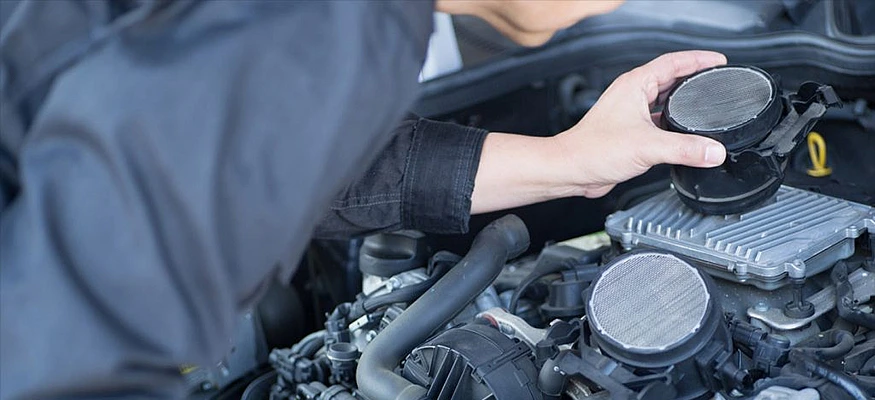
When an MAF (mass air flow) sensor starts to fail, it can lead to several noticeable symptoms that indicate potential issues with your vehicle's performance. These signs often include a decrease in engine power, an irregular idle, hesitations or stuttering during acceleration, higher fuel consumption, and elevated emissions.
The decision to replace the MAF sensor is crucial for ensuring optimal engine performance and emission control, as well as safeguarding other vital components of your vehicle. By addressing MAF sensor issues promptly, you can maintain your vehicle's performance, reduce emissions, and uphold its overall reliability.
Tools And Parts You Need
Before undertaking the task of replacing an MAF sensor, it's important to gather the necessary tools, including a replacement MAF sensor, gloves, wrench/socket set, screwdriver, cleaner, and cloth, and consult the vehicle manual to locate the sensor. Safety measures should be taken seriously throughout the process. Ensure the vehicle is parked securely with the parking brake engaged, disconnect the battery to mitigate electrical hazards, handle the sensor delicately to prevent damage, and wear gloves and goggles if necessary. If uncertain about any step, it's advisable to seek professional assistance. By adhering to these precautions, you can proceed with the replacement process safely and effectively.
MAF sensor replacement: Step by step
Locating the MAF sensor
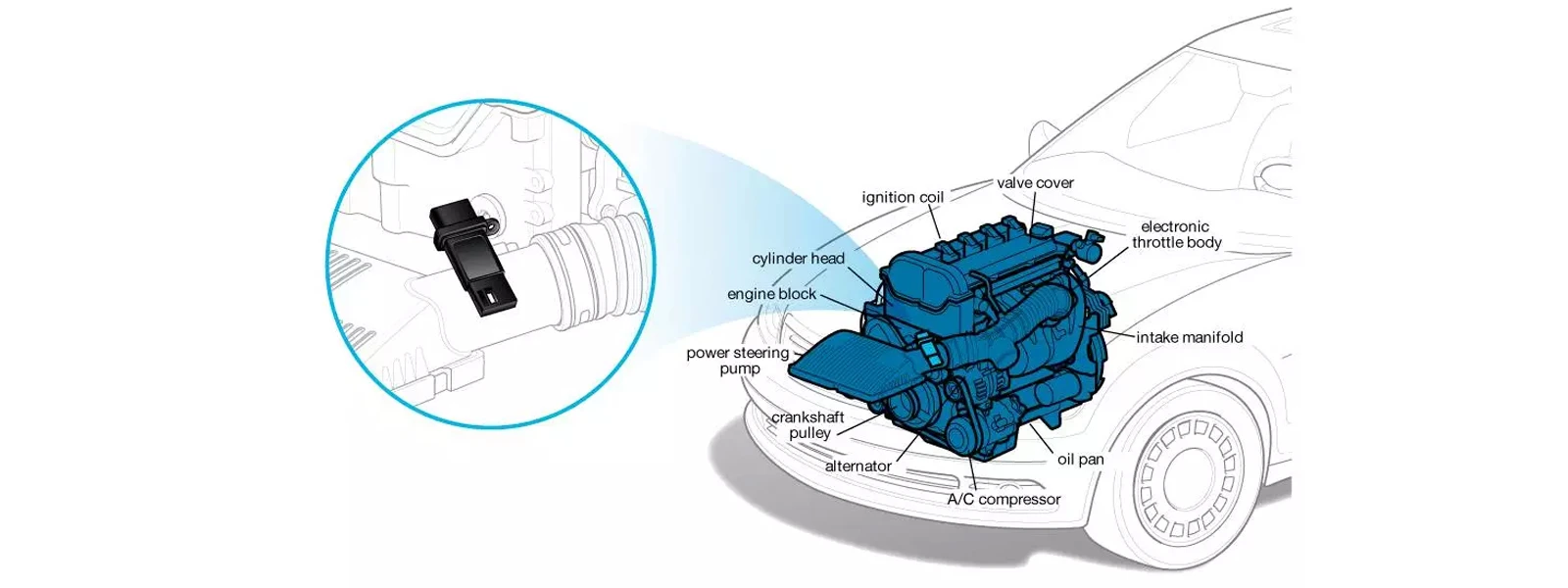
To locate the MAF sensor on your vehicle, it's best to consult the user manual or search online resources for guidance on its typical placement. Once you have an idea of where to look, open the hood and inspect the engine compartment. Usually, the MAF sensor can be found along the intake duct near the air filter or throttle body. You can identify it by its unique appearance and electrical connections, often with wires leading to a socket on the sensor.
Removing the old sensor
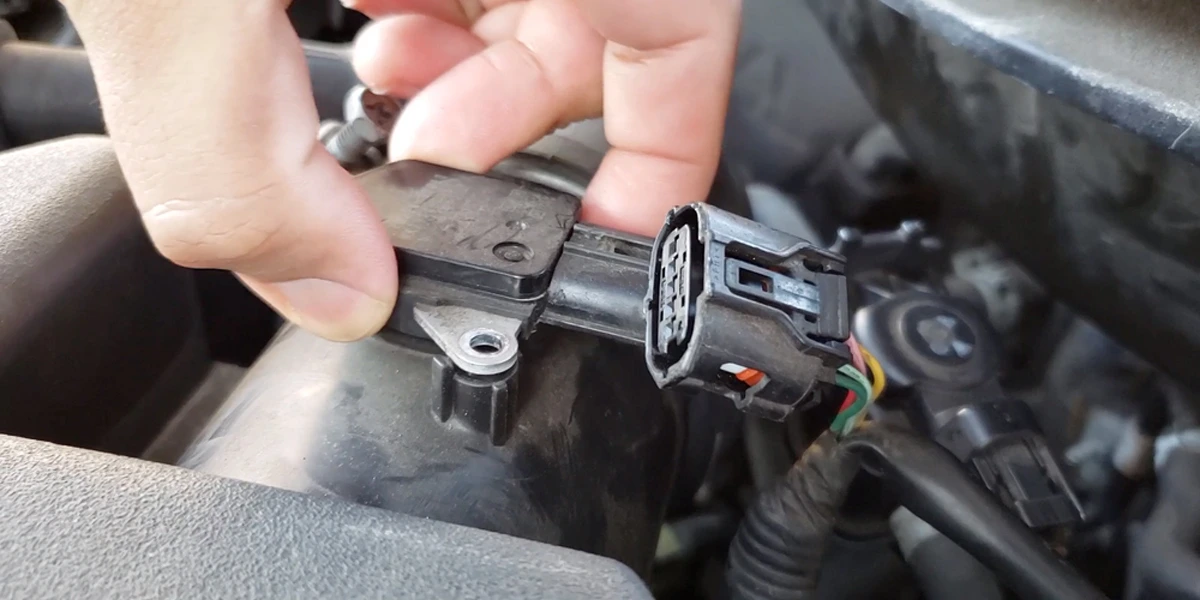
Before removing the old MAF sensor, it's essential to disconnect the power lines and sensor connections. Simply grasp the connector plug and gently pull it outward to detach it. Then, using the appropriate tools such as wrenches or screwdrivers, carefully dismantle the sensor. Be sure to handle it delicately to avoid damaging the sensor or its connecting wires. By following these steps, you can safely and effectively remove the old MAF sensor from your vehicle.
Installing the new sensor
After confirming the correct positioning of the new MAF sensor within the intake duct or air filter housing, carefully place it in the designated location. Ensure proper alignment according to the manufacturer's instructions, and securely fasten the sensor in place.
Connecting power lines and sensor
With the new MAF sensor securely installed, it's time to reconnect the power lines and sensor connections. Gently insert the connector plug into the socket on the sensor until you hear a satisfying click, indicating a secure connection. Take a moment to double-check all connections to ensure they are properly seated and firmly secured. This ensures optimal functionality and reliability of the newly installed MAF sensor.
Testing and troubleshooting
- Reconnecting the vehicle battery: With the new MAF sensor installed, it's time to reconnect the vehicle's battery. Ensure the positive and negative terminals are securely fastened to prevent any electrical issues.
- Starting the engine and testing the new sensor: Start the engine and allow it to idle for a few moments. Pay close attention to the engine's behavior, looking for signs of improvement or any potential issues. Gradually accelerate the vehicle to test the engine's response, ensuring smooth operation without any hesitation or roughness.
- Identifying and resolving potential issues: If you encounter any problems after installing the new MAF sensor, such as rough idling or illuminated warning lights, it's essential to address them promptly. Check the sensor's connections and installation to ensure they are correct and secure. Additionally, inspect the surrounding area for any damaged wires or components. If issues persist, seek assistance from a professional mechanic or refer to the vehicle's service manual for further troubleshooting guidance. By carefully addressing any concerns, you can ensure optimal performance and functionality of the new MFA sensor.
FAQs
If the check engine light persists after replacing the MAF sensor, it's recommended to conduct a diagnostic scan to identify additional trouble codes indicating other underlying issues, ensuring optimal engine performance.
Engine hesitation or rough idling post-MAF sensor replacement may indicate potential issues like air leaks in the intake system or incorrect sensor installation. Verify installation, check for air leaks, and inspect related components such as air filters and throttle bodies for damage or contamination.
Despite MAF sensor replacement, poor fuel economy could persist due to various factors. To address this, prioritize regular vehicle maintenance such as air filter replacements and tune-ups. Consult a mechanic to diagnose and resolve underlying issues affecting fuel efficiency, such as faulty oxygen sensors or fuel injectors.
Solutions and Advice:
For persistent check engine lights, proactively conduct a diagnostic scan to identify and address any additional trouble codes, ensuring thorough resolution of potential issues for optimal engine performance. Troubleshoot engine hesitation by verifying correct sensor installation, checking for air leaks, and inspecting related components systematically to restore smooth operation. Optimize fuel economy by maintaining regular vehicle maintenance practices and consulting a mechanic to diagnose and resolve underlying issues affecting fuel efficiency, thereby enhancing vehicle performance and longevity.
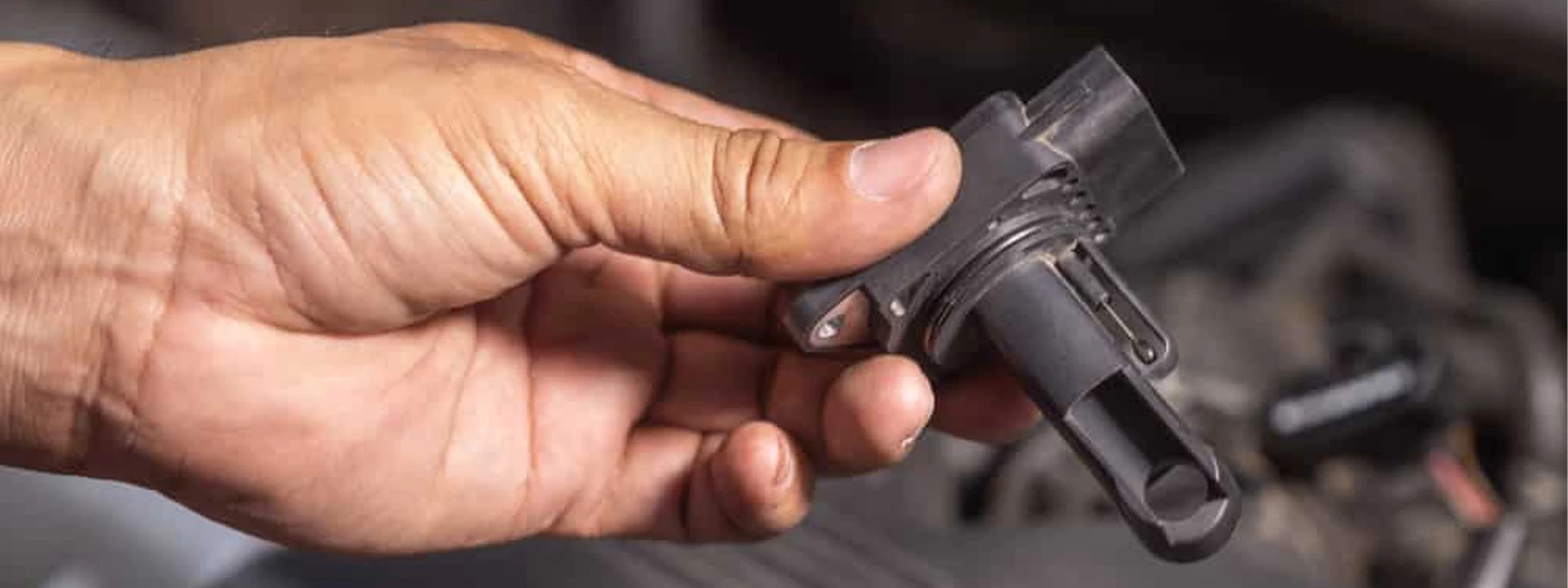
Choose A-Premium when you need to replace your MAF sensor
In summary, the replacement of the MAF sensor emerges as a crucial maintenance procedure pivotal for enhancing your vehicle's performance and efficiency. By adhering to the steps delineated in this guide and prioritizing safety precautions, you can seamlessly execute the replacement process with confidence.
It's paramount to underscore the significance of regular maintenance and timely replacement of the MAF sensor to uphold your vehicle's performance standards and avert potential complications. Neglecting MAF sensor issues may precipitate a decline in fuel efficiency, engine performance glitches, and heightened emissions.
The A-Premium High-Quality Air Flow (MAF) Sensor has a series of compelling selling points, making it a valuable investment for car owners. With their precise measurement capabilities, durability, compatibility, and performance-enhancing features, these sensors offer numerous advantages. By ensuring an accurate air-fuel ratio, A-Premium's high-quality MAF sensor helps improve engine performance, and fuel efficiency and reduce emissions. Their reliability and durability help protect engines from damage and premature wear.
We advocate for vehicle owners to proactively monitor the condition of their MAF sensor and replace it as warranted to sustain optimal performance and safety on the road. Remember, investing in your vehicle's upkeep today can mitigate the risk of incurring substantial expenses on repairs down the line.


