How often should brake rotors be replaced in 2026? Which brake rotors are reliable?

Wondering when to replace your brake rotors? This guide covers replacement intervals, warning signs like steering wheel vibrations, OEM vs aftermarket options, and why A-Premium brake rotor and pad kits offer the best value for your vehicle.

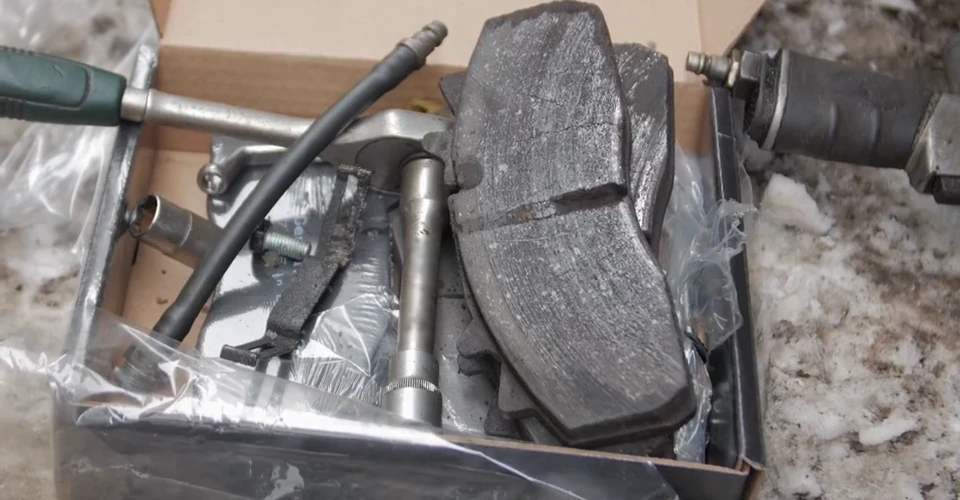
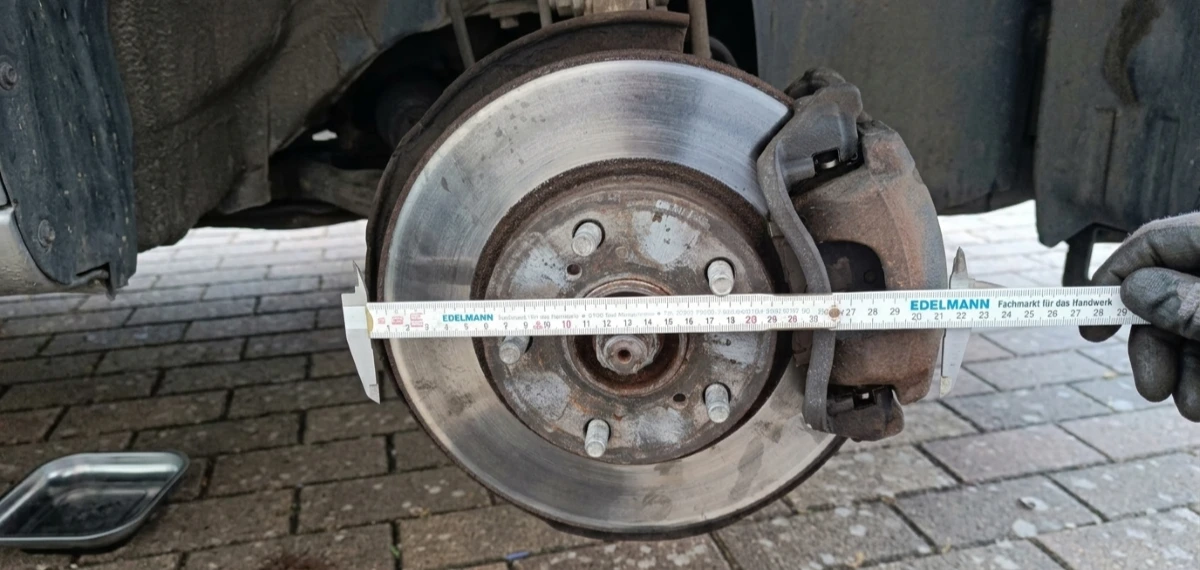
How Brake Rotors and Brake Pads Work
Your vehicle’s braking system is its most critical safety feature. When you press the brake pedal, hydraulic fluid forces the calipers to squeeze brake pads against the brake rotors (also called brake discs). The resulting friction converts kinetic energy into thermal energy, slowing the wheel and bringing your car to a stop.
Brake rotors operate under extreme conditions. They routinely reach temperatures exceeding 600°F while maintaining near-perfect flatness—a deviation of just 0.05mm is considered out of spec. This demanding environment makes rotor wear inevitable and regular inspection essential. As part of comprehensive vehicle maintenance, proper brake care involves more than just rotor replacement; it includes checking all brake components to ensure optimal performance and safety. Regularly checking brake rotors for visible wear or damage can help prevent safety issues and keep your braking system in top condition.
How Often Should You Replace Brake Rotors?
The most common question drivers ask: how often should brake rotors be replaced?
There are several signs that indicate when brake rotors should be replaced, and understanding these can help you maintain optimal safety and performance.
For most vehicles, rotor replacement is typically needed every 50,000 to 70,000 miles. However, this is a guideline—not a rule. Brake rotors can last between 30,000 and 70,000 miles depending on driving habits and conditions. Several factors determine actual lifespan:
| Factor | Impact on Rotor Life |
| Driving habits | Frequent hard braking, stop-and-go traffic, and mountain driving accelerate wear |
| Brake pad quality | Worn brake pads left too long can grind into rotors, causing visible grooves |
| Environment | Road salt and moisture lead to excessive rust and corrosion |
| Vehicle type | Heavy trucks and SUVs stress brake components more than passenger cars |
| Rotor quality | Premium rotors with protective coatings significantly outlast budget alternatives |
Pro Tip: During every oil changes, take a moment to inspect your rotors. Regularly checking brake rotors for visible wear or damage can help prevent safety issues. Early detection of rotor problems helps prevent costly repairs down the road.

8 Warning Signs You Need to Replace Your Brake Rotors
Ignoring rotor problems compromises vehicle safety. There are several signs that indicate you need to replace your brake rotors—recognizing them early can prevent further damage and costly repairs. Here are the common signs:
1. Steering Wheel Vibrations
One of the most common signs of warped rotors is steering wheel vibrations when braking. If your steering wheel shakes or pulsates as you apply the brake pedal, your rotors likely have uneven thickness.
2. Brake Pedal Pulsation
If the brake pedal itself pulses under your foot during braking, this confirms warped rotors or uneven rotor wear. A rhythmic shaking or shuddering felt through the brake pedal or steering wheel when slowing down is a sign of warped or unevenly worn rotors.
3. Visible Grooves or Scoring
Look through your wheel spokes at the rotor surface. Deep visible grooves, scoring, or a wavy appearance indicate damaged brake rotors requiring immediate replacement. Visual inspection of brake rotors can reveal signs of damage such as grooves, cracks, or rust, and visible wear or damage on brake rotors, such as deep grooves or cracks, indicates they need to be replaced. Brake rotors should be replaced if they are too thin or damaged beyond safe limits.
4. Blue Discoloration
A blue tint on the rotor surface signals extreme heat exposure—often from heavy braking or riding the brakes. This creates hardened spots that reduce braking efficiency. Inspect the rotor for deep circular grooves, blue or purple discoloration, and visible cracks as signs of damage.
5. Excessive Rust
While surface rust is normal, excessive rust that flakes or pits compromises rotor integrity and prevents effective braking. Road salt in snowy or coastal areas can cause severe corrosion and rust buildup on rotors.
6. Increased Stopping Distance
If your vehicle takes longer to stop than usual, worn rotors or worn brake pads may be failing. Longer stopping distances are dangerous, especially in emergency situations. Heavy cargo or towing trailers puts immense strain on the braking system, reducing rotor lifespan.
7. Brake Noise
Unusual noises when braking, such as squealing, grinding, or scraping, can indicate worn or damaged brake rotors. Grinding noises indicate that worn pads have caused damage to the rotor, necessitating a change.
8. Pronounced Lip at Rotor Edge
Run your finger along the outer edge of the rotor. A noticeable ridge or lip indicates significant rotor wear and the need for rotor replacement.
✅ Don’t ignore these signs. Schedule regular brake inspections to ensure safe and effective braking.
A brake warning light may indicate issues with the brake system, including potential rotor problems. Always investigate the cause of any warning lights promptly to avoid compromising your vehicle’s safety.
OEM vs Aftermarket: How to Choose
Every vehicle owner faces this decision. Here’s a side-by-side comparison:
| Factor | OEM | Aftermarket |
| Quality | Meets exact factory specifications | Varies widely; premium brands rival OEM |
| Price | Higher (dealership pricing) | Typically 30-50% less |
| Selection | Single option | Wide variety (ceramic, coated, slotted, etc.) |
| Fitment | Guaranteed perfect fit | Requires verification |
| Warranty | Manufacturer warranty | Varies by brand |
How to Make the Right Choice
| Priority | Recommendation |
| Maximum peace of mind, budget not a concern | Choose OEM |
| Best value, reliable performance | Choose premium aftermarket (e.g., A-Premium) |
| Special requirements (towing, performance) | Aftermarket offers more specialized options |
Key Takeaway: Whether OEM or aftermarket, always choose quality brake components to avoid premature wear and safety risks.

Types of Brake Rotors Explained: Which Is Most Reliable?
Understanding rotor types helps you make an informed purchase. Here are the main options:
Blank (Smooth) Rotors |
|
| Aspect | Details |
| Pros | Most affordable, excellent durability, quiet operation, longest lifespan |
| Cons | Limited cooling under extreme conditions |
| Best For | Daily commuting, family vehicles, maximum longevity |
Slotted Rotors |
|
| Aspect | Details |
| Pros | Expels gas and debris, cleans pad surface, maintains consistent contact |
| Cons | Slightly faster pad wear, minimal noise increase |
| Best For | Mountain driving, spirited street driving |
Drilled Rotors |
|
| Aspect | Details |
| Pros | Excellent cooling, superior water dispersion, sporty appearance |
| Cons | Prone to cracking under extreme use, reduced structural integrity |
| Best For | Aesthetic-focused builds, wet climate driving |
Slotted & Drilled (Combination) |
|
| Aspect | Details |
| Pros | Combines benefits of both designs |
| Cons | Combines drawbacks (crack risk, faster wear, higher cost) |
| Best For | Performance vehicles, show cars |
Vented Rotors
Most modern vehicles come factory-equipped with vented rotors—two friction surfaces separated by internal vanes that draw air through for cooling. This design is essential for effective braking under normal to demanding conditions.
Coated Rotors
Rotors with a protective coating (zinc, e-coating, or geometric) resist rust and corrosion. This extends lifespan and maintains appearance, making them a worthwhile investment.


How to Choose the Right Brake Rotors for Your Vehicle
Match your driving needs with the appropriate rotor type:
| Driving Style | Recommended Rotor Type |
| Daily commuting | Blank (smooth) or coated blank |
| Mountain/hilly terrain | Slotted |
| Occasional spirited driving | Slotted or slotted/drilled |
| Towing / heavy loads / SUV | Vented (required) + coated |
| Track / competitive | High-carbon alloy or two-piece floating |

Top Brake Rotor Brands: Features & Comparisons
Here’s how leading brands stack up:
| Brand | Key Features | Best Suited For |
| Brembo | Italian performance leader; excellent heat management; UV coating for corrosion protection | Performance enthusiasts, European vehicles |
| Bosch | German engineering; QuietCast line with precision balance; zinc coating | Drivers seeking OE-quality at fair prices |
| ACDelco | GM’s original supplier; Gold (premium) and Silver (value) lines | GM owners; those prioritizing proven reliability |
| Power Stop | American brand known for complete kits (rotors + pads); Z23/Z26 lines | DIY installers; complete system upgrades |
| Wagner | 100+ years in brakes; ThermoQuiet technology; e-shield coating | Noise-sensitive drivers |
| EBC Brakes | UK-based; RedStuff/GreenStuff/Ultimax lines for different applications | European car owners; performance upgrades |
Why A-Premium Brake Rotor and Pad Kits Are the Smart Choice for 2026
With countless options on the market, selecting reliable brake components can feel overwhelming. A-Premium has emerged as a trusted name in aftermarket auto parts, offering an exceptional balance of quality, performance, and value.
1. Engineered to Meet or Exceed OEM Standards
A-Premium designs its brake rotors and brake pads to meet or exceed original equipment specifications. Each brake rotor undergoes rigorous quality-control testing to ensure proper metallurgy, precise balancing, and consistent performance. The result is a product that delivers safe and effective braking comparable to expensive OEM components.
2. Superior Corrosion Protection
One of the leading causes of premature rotor replacement is rust and corrosion. A-Premium brake rotors feature advanced coating technology that provides superior protection against moisture, road salt, and environmental elements. This coating prevents excessive rust, maintains a clean appearance, and extends rotor life significantly.
3. Precision Fitment for Easy Installation
Replacing brake pads and rotors can be a straightforward DIY project with the right parts. A-Premium kits are engineered for direct fitment, meaning they match your vehicle’s exact specifications. The included brake hardware—such as shims and clips—simplifies installation, reducing the time spent on brake repair.
4. Matched Components for Optimal Performance
When you purchase an A-Premium brake rotor and pad kit, you receive perfectly matched components designed to work together. The friction material of the brake pads complements the rotor surface, ensuring proper bedding-in, minimal brake noise, and consistent braking efficiency throughout the life of the new brakes.
5. Outstanding Value
Perhaps the most compelling advantage of A-Premium is its exceptional value. You get high-quality brake rotors and brake pads at a fraction of the cost of dealership parts. This allows you to maintain your vehicle properly without breaking the bank—a crucial consideration for budget-conscious drivers.
6. Customer Service and Satisfaction
A-Premium stands behind its products with responsive customer support and a 90-day free return policy. Thousands of verified buyers praise the brand for perfect fit, easy installation, and reliable performance. Whether you’re a professional mechanic or a DIY enthusiast, the company’s commitment to customer satisfaction provides peace of mind.
7. Designed for Daily Driving Reliability
While some high-performance rotors prioritize extreme capabilities, A-Premium focuses on what matters most for most drivers: reliable, consistent braking for everyday use. Their brake components are designed to handle normal driving conditions, commuting, and occasional spirited driving with confidence.
How to Maximize Brake Rotor and Pad Lifespan
Even with quality components like A-Premium, proper maintenance extends the life of your brakes:
1. Perform Regular Brake Inspections
Inspect your brake components during oil changes or tire rotations. Look for visible grooves, uneven pad wear, and rotor condition.
2. Replace Brake Pads Promptly
Don’t wait for worn brake pads to damage your rotors. When brake pads reach minimum thickness, replace them immediately to prevent premature wear on your rotors.
3. Bed-In New Brakes Properly
After installing new brake pads and rotors, follow proper bedding-in procedures. This typically involves a series of gradual stops from moderate speeds to transfer pad material evenly onto the rotor surface.
4. Avoid Aggressive Braking
Smooth, gradual braking reduces heat buildup and minimizes rotor wear. Anticipate stops and allow your vehicle to coast when possible.
5. Address Problems Early
If you notice steering wheel vibrations, brake noise, or increased stopping distance, don’t delay diagnosis. Early intervention prevents minor issues from becoming costly repairs.
Conclusion: Make the Smart Choice for Your Vehicle’s Safety
Your braking system is not an area to compromise. Brake rotors and brake pads are essential components that directly impact your ability to stop safely in critical moments. Knowing when to replace brake rotors—and choosing quality components—protects both your vehicle and your family.
A-Premium brake rotor and pad kits offer the ideal solution for drivers seeking reliability without excessive cost. With precision engineering, superior corrosion protection, and thousands of satisfied customers, these kits deliver the peace of mind that comes from knowing your brakes will perform when needed most.
Don’t wait for warning signs like steering wheel vibrations, brake noise, or increased stopping distance to address your brakes. Regular inspections and timely rotor replacement with quality components like A-Premium ensure safe and effective braking for miles to come.
Frequently Asked Questions About Brake Rotors
Can I replace brake rotors without replacing brake pads?
While technically possible, it’s not recommended. Worn brake pads have wear patterns that match your old rotors. Installing new pads with old rotors can lead to uneven contact, reduced braking efficiency, and accelerated wear.
How many miles do brake rotors typically last?
Most brake rotors last between 50,000 and 70,000 miles, though this varies significantly based on driving habits, vehicle type, and component quality.
Is it necessary to replace rotors every time I replace brake pads?
Not necessarily. If your rotors are within thickness specifications, free from visible grooves, and not warped, they can often be resurfaced rather than replaced. However, with affordable options like A-Premium, many drivers choose to replace both together for optimal performance.
What causes warped rotors?
Warped rotors typically result from uneven heat distribution, often caused by aggressive braking followed by holding the brake pedal while stationary. This creates uneven cooling and thickness variation.
Are coated rotors worth the extra cost?
Yes. Coated rotors resist rust and corrosion significantly better than uncoated alternatives. This extends rotor life, maintains appearance, and prevents the binding issues that rust can cause with wheel mounting.


