How Much Does a Catalytic Converter Cost

This blog explores the average cost of a catalytic converter, factors that influence pricing, and provides a comprehensive guide to understanding catalytic converter replacement costs and options to help vehicle owners make an informed decision.

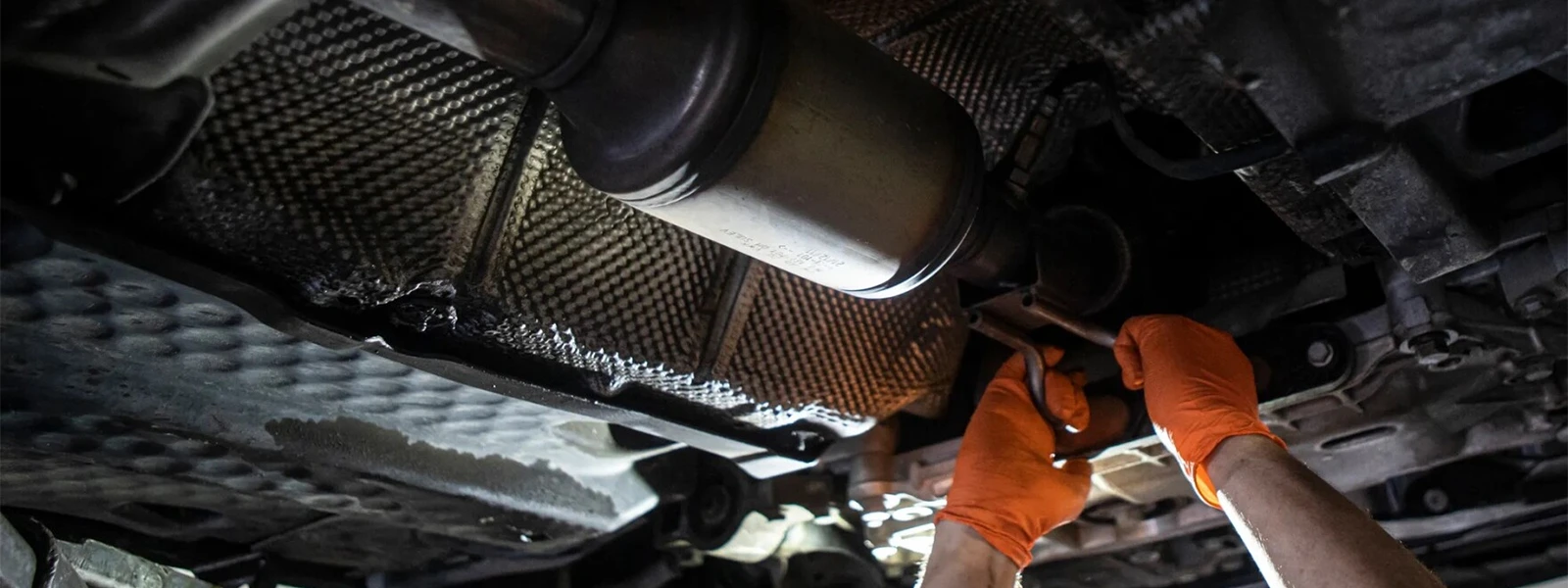
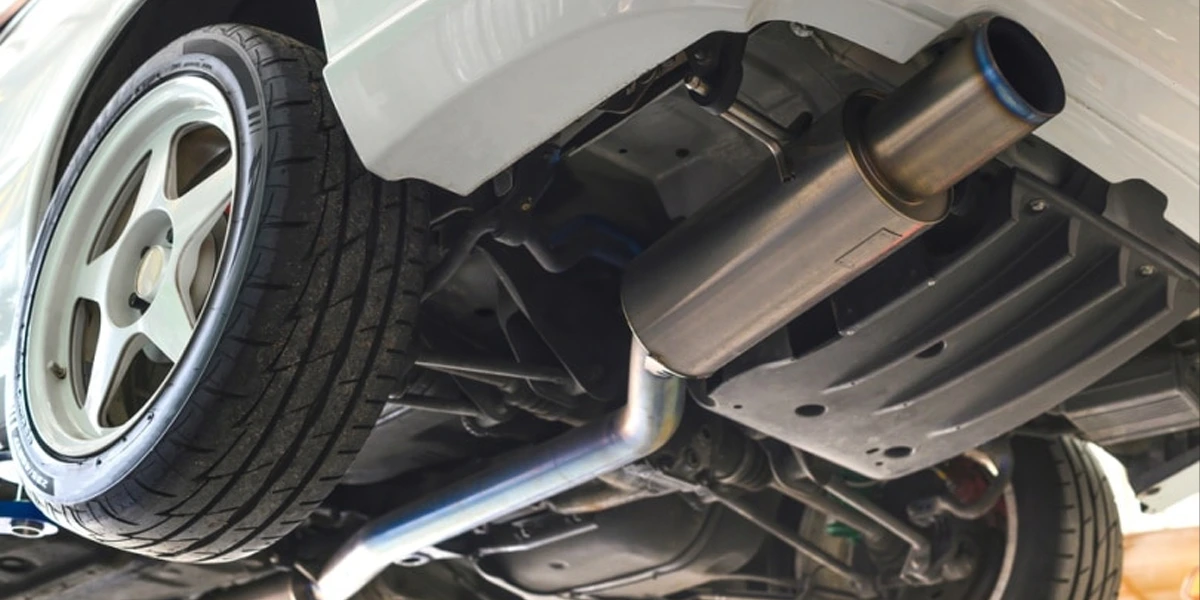
Suggested A-Premium Parts

The catalytic converter, a device that plays a vital role in reducing automobile exhaust pollution, can be traced back to about half a century ago. At that time, as people's awareness of environmental protection gradually increased, automakers began to install this magical device on their cars to convert harmful exhaust gases into more environmentally friendly emissions. Over time, catalytic converters gradually became popular due to their significant environmental benefits, and eventually became standard equipment in modern cars.
However, like many valuable items, catalytic converters have also become "hotcakes" in the eyes of criminals. Because of the precious metal components inside, such as platinum, palladium, and rhodium, catalytic converters have high recycling value. Therefore, this key component of the car's exhaust system has become a prime target for thieves, who often secretly remove these converters in the dead of night and then sell them to illegal metal recyclers. Faced with this growing problem, many car owners began to worry: If my catalytic converter is stolen, how much does it cost to replace it with a new one? This is indeed a question worth discussing.
How Much Is a Catalytic Converter
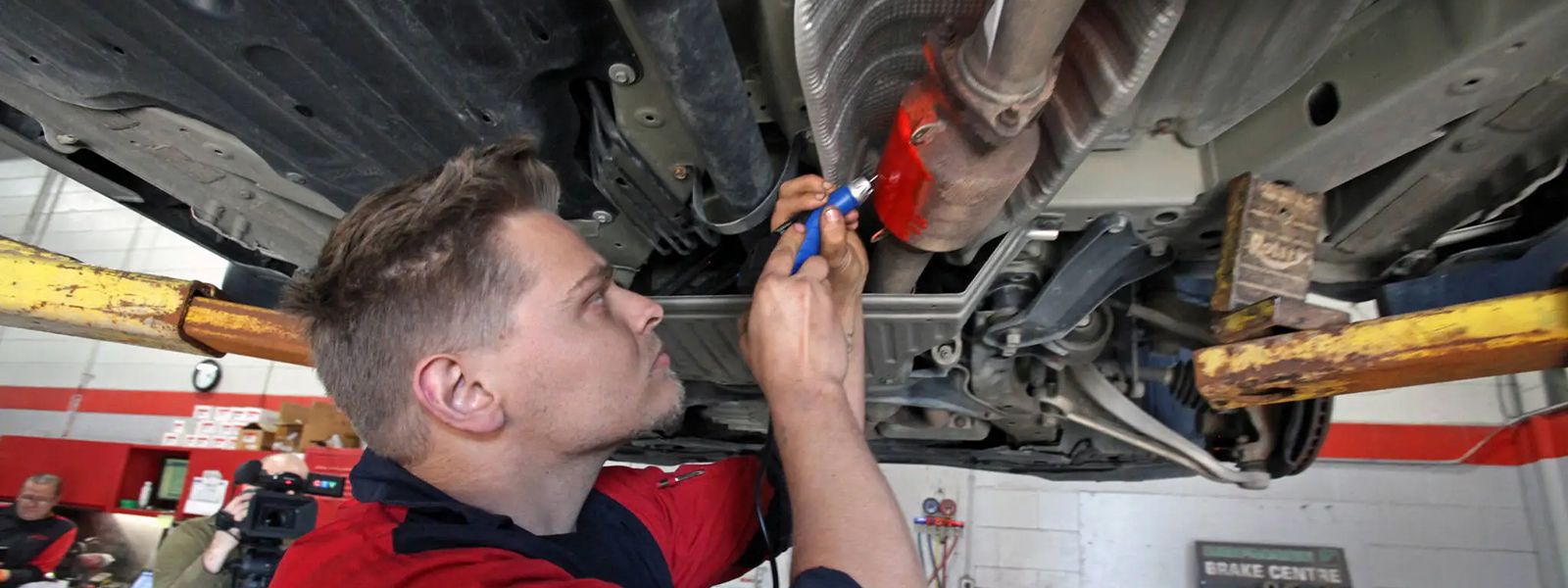
In recent years, the value of catalytic converters has experienced a significant increase, which is not only surprising but also very annoying for car owners. This increase is mainly due to two key factors: the shortage of global supply chains during the COVID-19 pandemic and the surge in the market value of precious metals commonly found in catalytic converters.
Under the impact of the COVID-19 pandemic, production supply chains around the world have suffered varying degrees of damage, resulting in shortages of various parts. As an integral part of automotive emission control systems, catalytic converters have also been affected by supply chain shortages. As supply has decreased and demand remains strong, the market price of catalytic converters has naturally risen.
On the other hand, the precious metals contained in catalytic converters are also an important driving force for their value growth. Among them, rhodium, a rare and precious metal, is used in considerable quantities in catalytic converters. Rhodium has an extremely high market value, with an ounce price of up to $20,000, making it an attractive target for theft. Because of this, thieves often reach out to parked cars on the roadside and steal the catalytic converters in them to obtain high illegal profits.
How Much Does a Catalytic Converter Replacement Cost
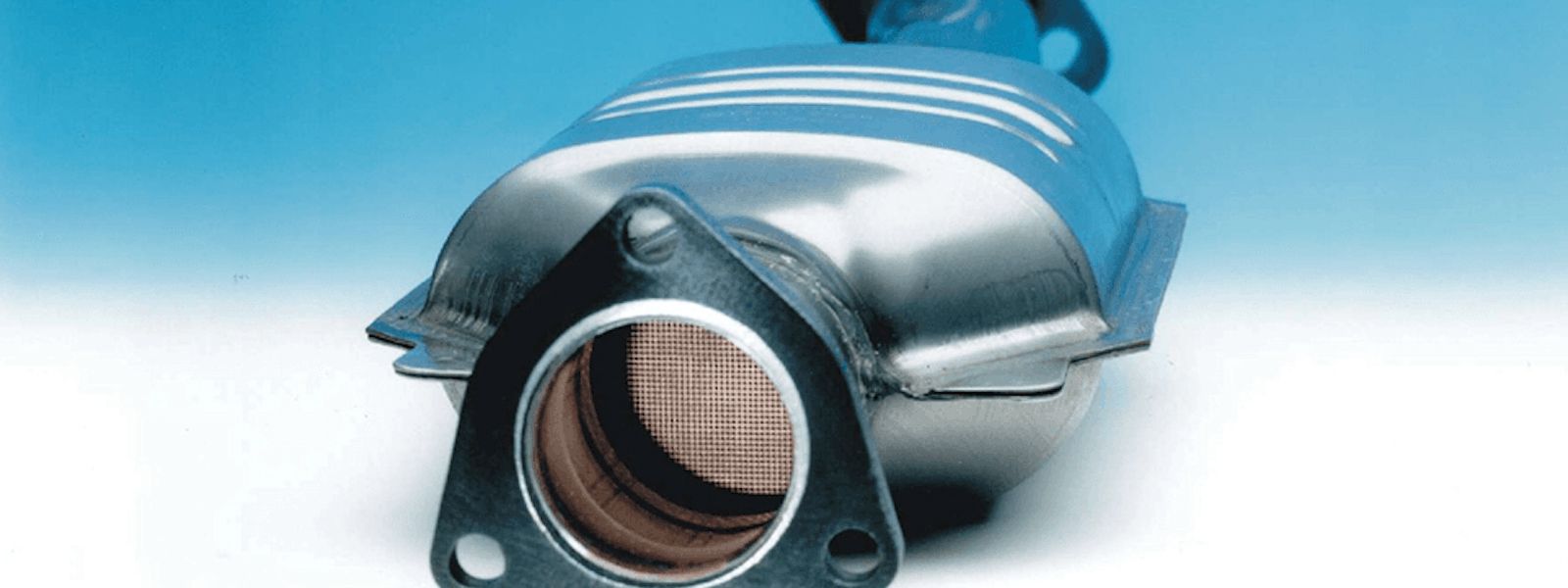
It is estimated that the cost of installing a new catalytic converter ranges from $2,224 to $2,309. However, this does not mean that every car owner will have to pay this exact amount when replacing their catalytic converter.
In fact, the exact cost of replacing a catalytic converter varies depending on many factors, making it difficult to give a fixed number. These factors include the age of your vehicle, the fit of the converter you need, and where the catalytic converter is installed on your vehicle.
If your vehicle is equipped with a universal catalytic converter, you may only need to spend about $300 to install a simple replacement part by welding. Although this method is economical, it may require some adjustments depending on the specific situation of your vehicle.
However, if your vehicle requires a direct-fit catalytic converter or you want to use the original parts, the cost will increase significantly. In this case, replacing a new direct-fit catalytic converter may cost $2,500 or more.
Therefore, when your vehicle needs to replace the catalytic converter, it is recommended that you first consult a professional auto repair technician or dealer to understand the type of catalytic converter your vehicle needs and the associated installation costs. This way, you can make an informed decision based on your actual situation and budget.

What Happens If You Ignore Catalytic Converter Problems
As soon as you notice a possible problem with your catalytic converter, it’s important to take your vehicle to a professional mechanic for a checkup. Don’t let the cost of repairs hold you back; this is an issue that can’t be put off for long. There are also a few other possible signs to look out for. For example, you may notice a significant decrease in your vehicle’s fuel economy, which could be a sign of a catalytic converter failure.
If the problem isn’t addressed promptly, it could lead to further engine sluggishness, damage, or even failure. Many times, an engine fault code like PO420 indicates that the catalytic converter isn’t working properly, but engine performance issues could also be the reason behind it. So addressing these issues early can not only save you money but also potentially bigger headaches later on.
Also, be aware that even if your vehicle’s engine is running fine, you may face some legal restrictions if your catalytic converter is faulty. In many states, vehicles must pass emissions or smog tests before they can be legally driven on the road. If your catalytic converter isn’t in good shape, your vehicle won’t pass these tests, and therefore won’t be registered.
To help you with your catalytic converter problem, you can search for the top shops in your area that specialize in diagnosis and repairs. Of course, if you have the technical knowledge, you can also choose to do the repairs yourself. A-Premium offers a wide range of universal and direct-fit catalytic converters for you to choose from to meet your different needs.
FAQs
Which cars are most likely to have catalytic converters stolen?
This is a question that many car owners are concerned about. According to data analysis by the authoritative organization J.D. Power & Associates, we know that the Toyota Prius has a relatively high risk of catalytic converter theft among many models. As a popular hybrid car, the Toyota Prius has a relatively high content of precious metals in its catalytic converter, which makes it a "hot commodity" in the eyes of thieves.
What states have the highest catalytic converter theft?
California has long been a hot spot for catalytic converter thefts. According to research by Car Fax, a company that tracks vehicle history, the number of catalytic converter thefts in the state has skyrocketed in the past few years, with about 1,600 reports per month. The growth in catalytic converter thefts in Washington State is even more alarming. Data shows that catalytic converter thefts in the state have soared 10,000% or 100 times. This shocking number reflects the rapid development of such cases in the state. At the same time, the frequent videos and discussions about catalytic converter thefts in Washington State on social media and the Internet have further confirmed the seriousness of the problem in the state.


