Do Brake Pads Expire? How Long Can Brake Pads Last?

See whether brake pads expire and shed light on the expected lifespan of brake pads. By examining factors like usage, driving habits, and maintenance, get a clearer understanding of how long they can expect theirbrake pads to last before replacement.
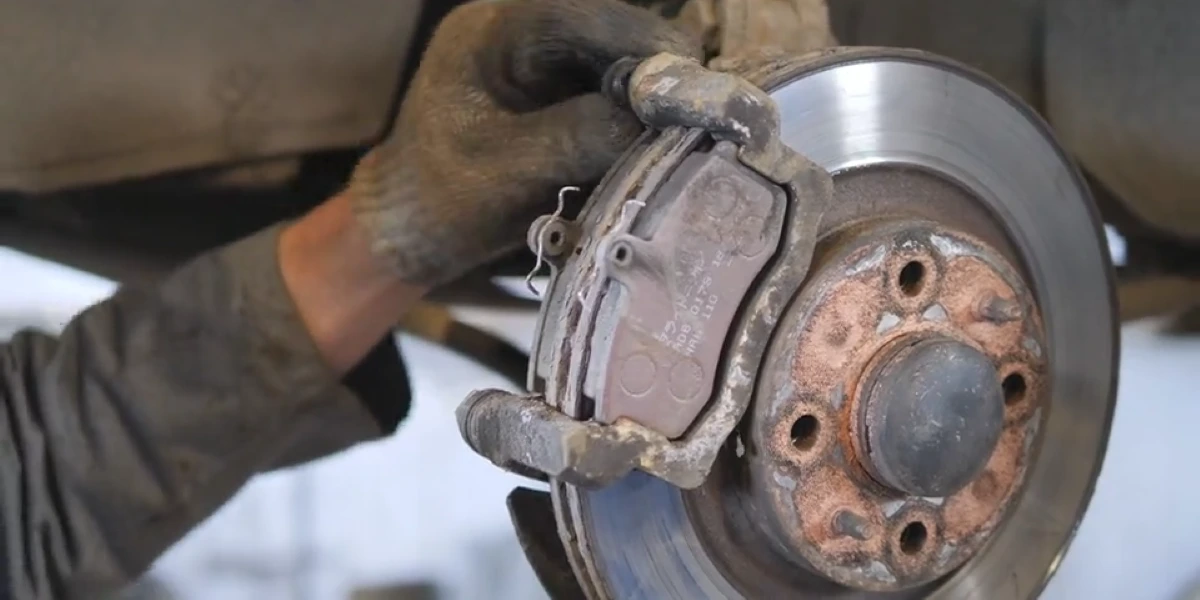
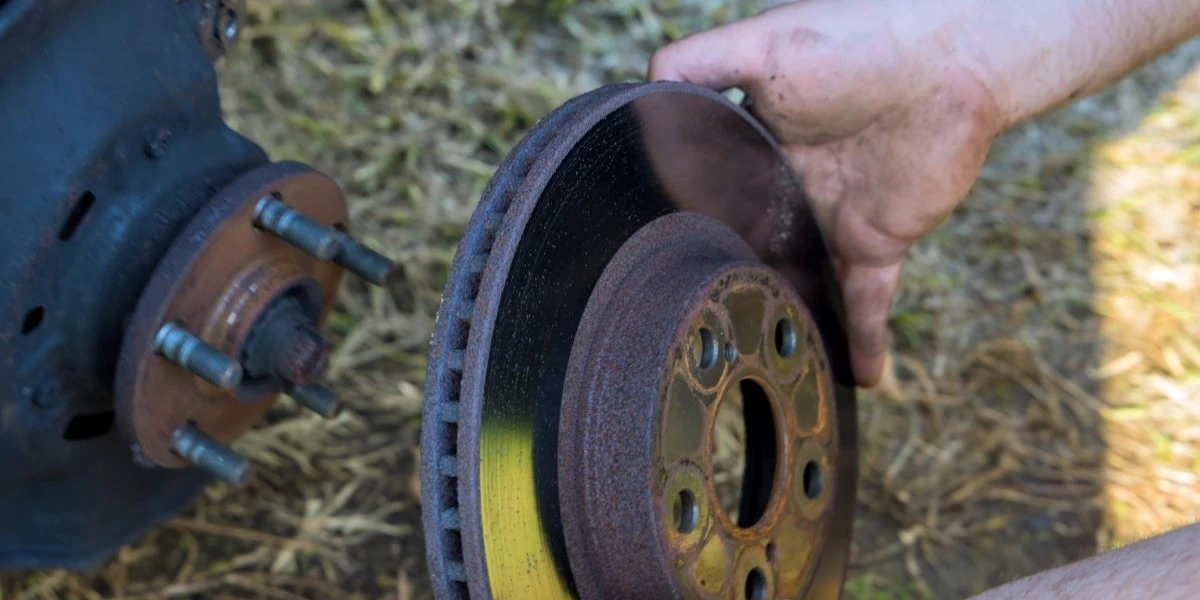
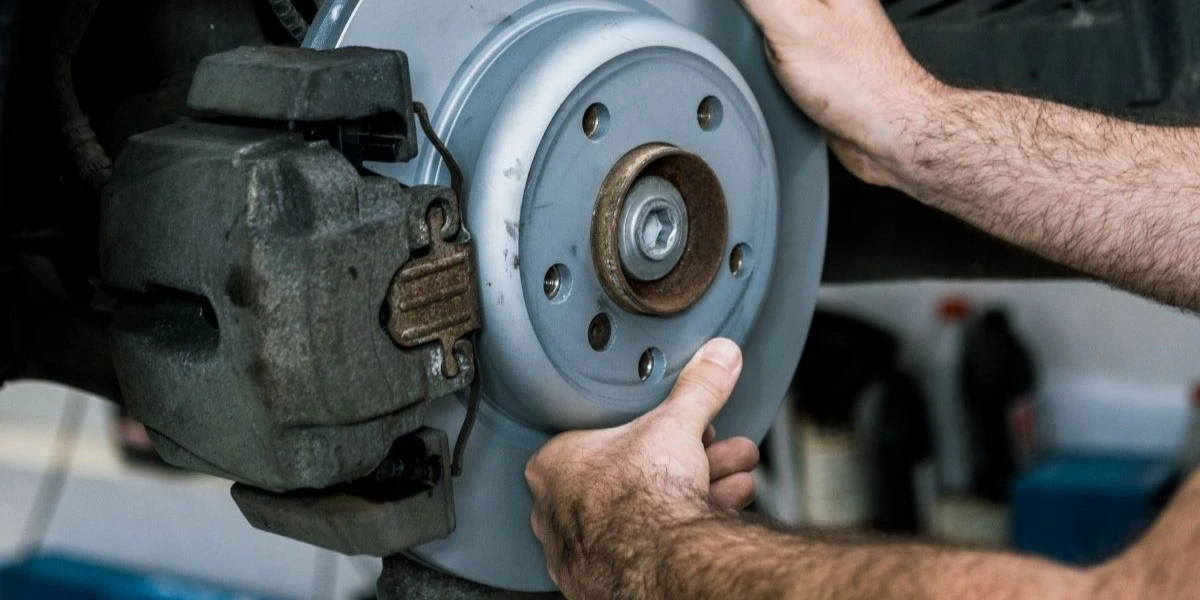
Have you ever wondered the question “Do brake pads expire?” and “How long can brake pads last before needing to be replaced?” Whether you're a new driver or a seasoned pro, understanding the lifespan of your brake pads is important for your safety on the road. In this article, we will delve into the factors affecting brake pad function, and how long can brake pads last in different conditions...
Do Brake Pads Expire?
Brake pads can last between 30,000 to 70,000 miles. And this depends on factors like the type of driving, quality of brake pads, and braking system efficiency. Car owners should watch for signs indicating when brake pads need replacement, signs include grinding noises, vibrations while braking, or a soft or stuck brake pedal. Regular maintenance and care are important to extend the brake pad lifespan. It’s also important to avoid aggressive driving, and sudden stops, to reduce wear on the brake pads. What’s more properly functioning brake calipers and rotors are crucial for good brake pad health. Proper storage can prevent rust on brake rotors, preserving braking force. Taking care of all braking system components ensures longer-lasting brake pads and a safe driving experience for all.
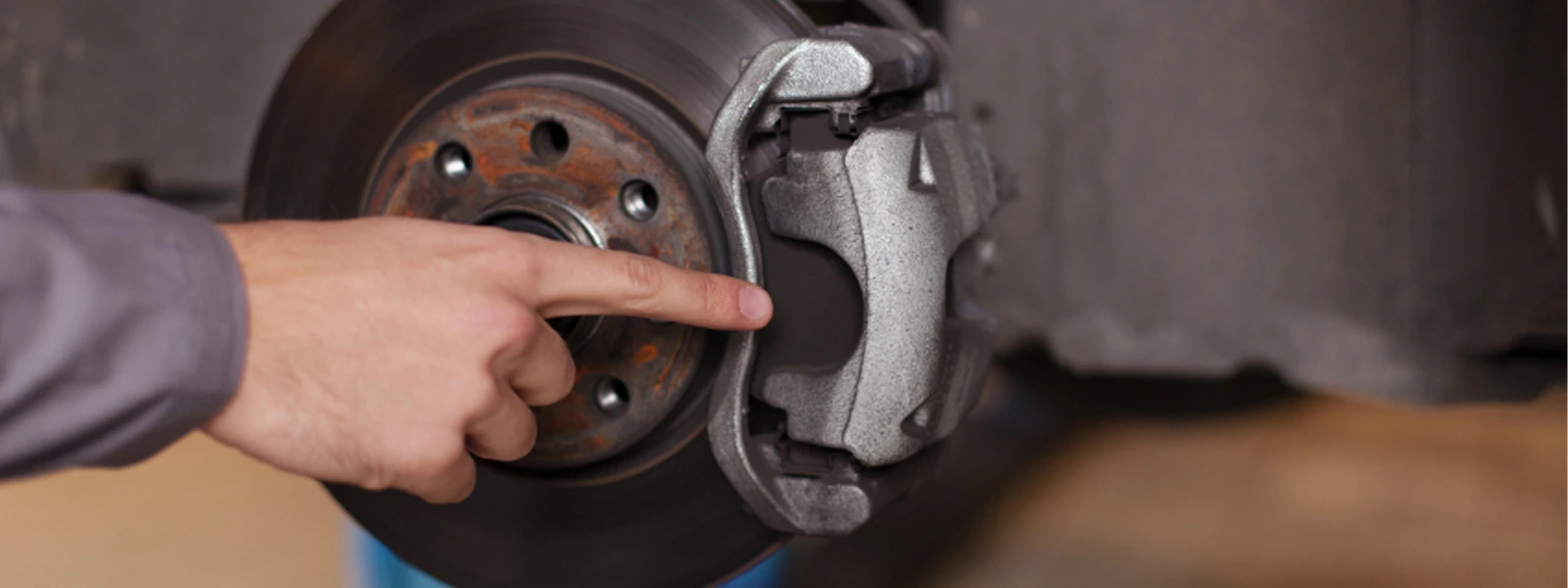
Factors Affecting Brake Pads Longevity
1. Quality of Brake Pads
The quality of brake pads depends on various factors. The material used to make brake pads is crucial for how well they work and how long they last.
Different types of brake pads, like ceramic or organic, have different levels of durability and effectiveness.
Your driving habits and the environment you drive in also affect brake pad quality. Things like aggressive braking, stop-and-go traffic, or long highway drives can wear pads out faster. Environmental factors like rust, water exposure, or extreme temperatures also impact how well brake pads work.
If you notice sticking, thinning, or grinding noises when you brake, it's time to replace the pads. To stay safe on the road, car owners should regularly service their brakes. Keeping an eye on brake components, replacing worn-out parts when needed, and proper maintenance are all essential for safe braking.
2. Driving Habits
Brake pads’s serving life somehow depends on your driving habits too, if you are an aggressive driver, your more frequent urgent stopping might shorten your brake pads’ life. Each time you step on the brake pedal, the brake rotors and pads wear a little more. By coasting, you can reduce the amount of wear you put on your brakes. Stopping Habits: Coming to a quick stop from a high speed wears brake parts quicker than a gradual stop, and it can help extend brake pad life.

3. Environmental Conditions
Environmental conditions have a big impact on brake pad lifespan. Factors like extreme temperatures or weather conditions affect how long brake pads last.
- In hot weather, brake pads wear out faster due to increased friction when braking. Cold temperatures make the pads stiff and less effective at slowing down the vehicle.
- Moisture exposure, like rain or snow, can cause rust on brake rotors or calipers, affecting the braking system.
- Frequent highway driving or heavy braking can lead to quicker brake pad wear.
4. Brake Pad Material
There are different types of brake pad materials to choose from ceramic, organic, and semi-metallic.
- Ceramic brake pads are great for luxury cars because they offer smooth and quiet braking.
- Semi-metallic brake pads are durable and ideal for commercial highway driving.
- The type of material used in brake pads affects their performance and lifespan.
- Organic brake pads are gentle on rotors, making them suitable for city driving, but they wear out faster.
- Semi-metallic pads are long-lasting and provide strong braking force, although they can be noisy and produce more dust.
When selecting brake pads, drivers should consider their driving habits and conditions to ensure safety and optimal performance on the road.
Three Safety Levels of Brake Pads Thickness
Brake pad thickness plays a crucial role in ensuring vehicle safety on the road. According to standard recommendations, brake pads should ideally maintain a thickness of around 1/4 inch. Different thickness levels indicate varying degrees of safety readiness:
- Red Level: 2-3mmAt this level, brake pads are considered nearing the end of their effective lifespan and warrant immediate attention for replacement.
- Yellow Level: 4-6mm, it’s a signal of a cautionary phase, prompting drivers to monitor their braking efficiency closely.
- Green Level: 8-12mm, at this level your brake pad has a safe operation, providing ample braking power and reliability.
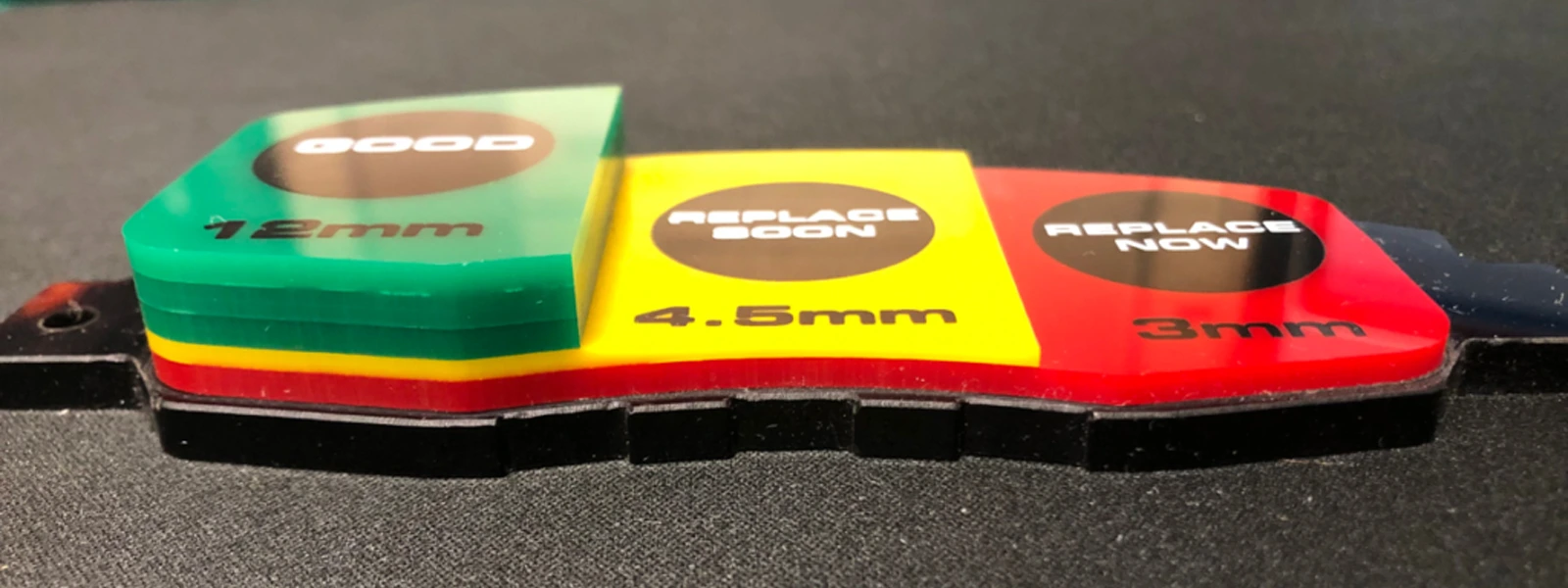
A thinner brake pad, falling below these thresholds, may compromise braking efficiency due to inadequate friction material, potentially leading to longer stopping distances and diminished performance. As pads wear down, the gap between the pad and the rotor expands, necessitating the caliper to extend further for contact. This increased distance diminishes the force applied during braking, impacting the entire braking mechanism and potentially causing uneven rotor wear. Regular inspection and timely replacement of thin brake pads are essential for maintaining optimal braking performance and ensuring road safety for all motorists.
How Long Will 2mm Brake Pads Last?
If the friction area of a brake pad is really only 2mm thick, it is far beyond the service life and should be changed immediately. Anyway, it can support you for a 2000-mile drive to the most extent. Your safety could be in danger. A single hard stop can cause the pad to separate from the backing plate and result in metal-to-metal contact. Metal backing plate to metal brake rotor does not give good braking and the vehicle will stop at a much greater distance ( and noisy).
How Long Will 3mm Brake Pads Last?
3 mm is the bottom line of a brake pad, at this thickness you are pretty much ready for new brake pads. And if you drive gently, the brake pad at 3mm can still support you to drive 30,000km more, while don't push it if you car for the safety of yourself and your loved ones.
Signs to Replace Your Brake Pads
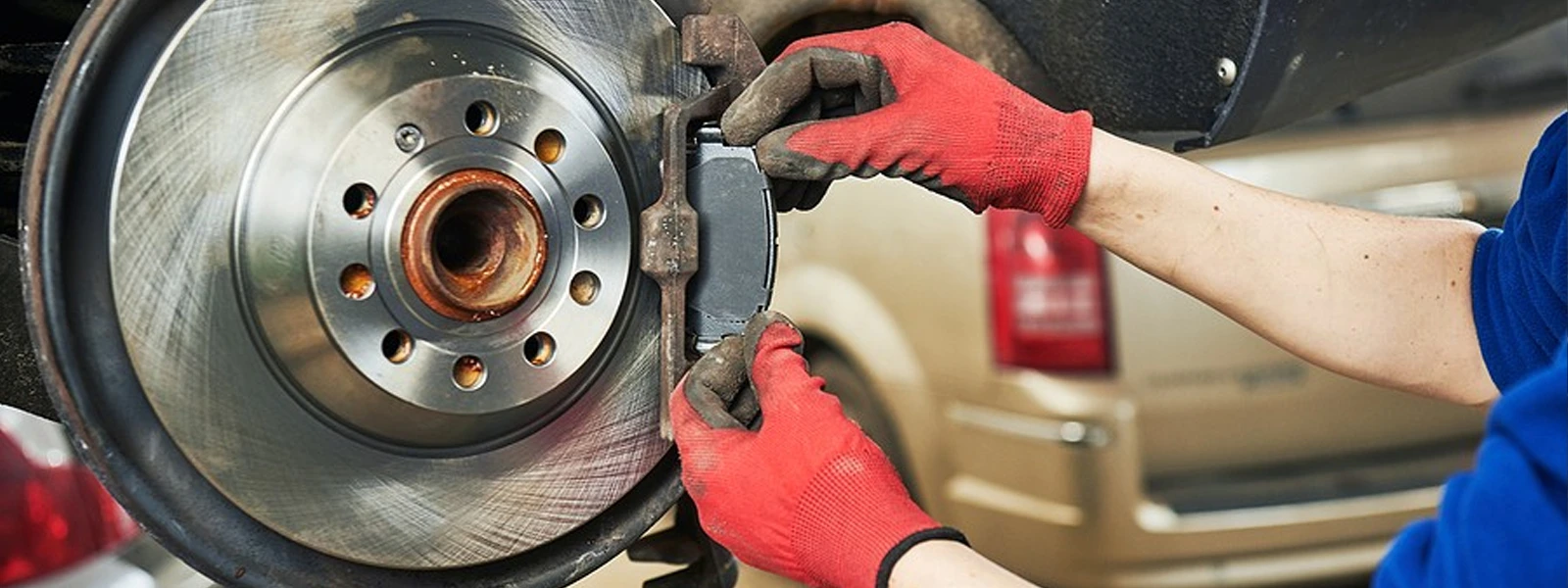
You should always be aware of the signs of worn brake pads, which are crucial for maintaining vehicle safety and preventing potential accidents on the road. When brake pads begin to wear down, they often emit noticeable signals that should not be ignored, as follows:
- Squealing or grinding noises during braking.
- Reduced braking power, requiring more force on the brake pedal.
- Vibrations are felt through the brake pedal or steering wheel while braking.
- Increased stopping distances, noticeable when braking.
- Visual inspection reveals brake pad thickness nearing the end of its lifespan.
- Any unusual smells, such as burning, when braking heavily or frequently.
How to Make Brake Pads Last Longer?
To make brake pads last longer, first you should adopt certain driving habits. Avoiding sudden stops and starting to slow down well in advance can reduce the wear on brake pads. And it’s better to pay attention at the quality of brake pads in the beginning. Cheaper options tend to wear out faster due to lower-grade friction material. And environmental conditions can also impact brake pad lifespan. As possible to avoid frequent highway driving, or driving in wet and hot weather, and regular clean rust on your brake pad.
The proper function of other braking system parts, such as the caliper and rotor, is crucial in determining how long brake pads last. Regularly servicing the brake system and replacing brake pads when indicators show thinning or grinding noises are heard is essential.
Brake pads don't expire like food, but they usually last between 30,000 to 70,000 miles. Different things like how you drive, road conditions, and the type of brake pads can make them wear out faster.
Checking and changing brake pads when necessary is crucial for good braking and road safety. Once you have checked that it's gonna need a change, you'd better look for a reliable aftermarket brake caliper, brake caliper at A Premium, refresh your car from "pausing caliper".
FAQ
How long can brake pads last?
Brake pads typically last between 30,000 to 70,000 miles depending on driving habits and conditions. It is recommended to have them inspected regularly and replaced if they are worn down to 1/8 inch thick (2mm).
What factors can affect the lifespan of brake pads?
Factors such as driving habits, type of brake pad material, quality of brake pad, environmental conditions, and frequency of maintenance can affect the lifespan of brake pads. Examples include hard braking, using low-quality pads, driving in hilly terrain, and lack of regular inspections.
How can I tell if my brake pads need to be replaced?
If your brakes make grinding or squealing noises, take longer to stop, or feel spongy, it's time to replace your brake pads. Check for wear by measuring the pad thickness or consulting your vehicle's manual.
Are there any maintenance tips to extend the life of brake pads?
Regularly inspect and replace worn brake pads, keep the braking system clean, avoid excessive braking, and use high-quality brake pads. Avoid riding the brakes downhill and reduce unnecessary weight on the vehicle.


