Heater Core Replacement

Let A-Premium guide you through the essential steps of replacing your heater core, a crucial component for maintaining a cozy and fog-free interior. Explore signs of a failing heater core, learn the step-by-step replacement process, and discover valuab

You certainly wouldn't want your car's heater core to malfunction just as winter sets in. This essential component is responsible for heating the air when you adjust the temperature and ensures the defroster's air is warm. So certainly, it's crucial that the heater core in your car or truck is functioning properly to maintain a comfortable passenger compartment and maintain a clear windshield and optimal visibility.
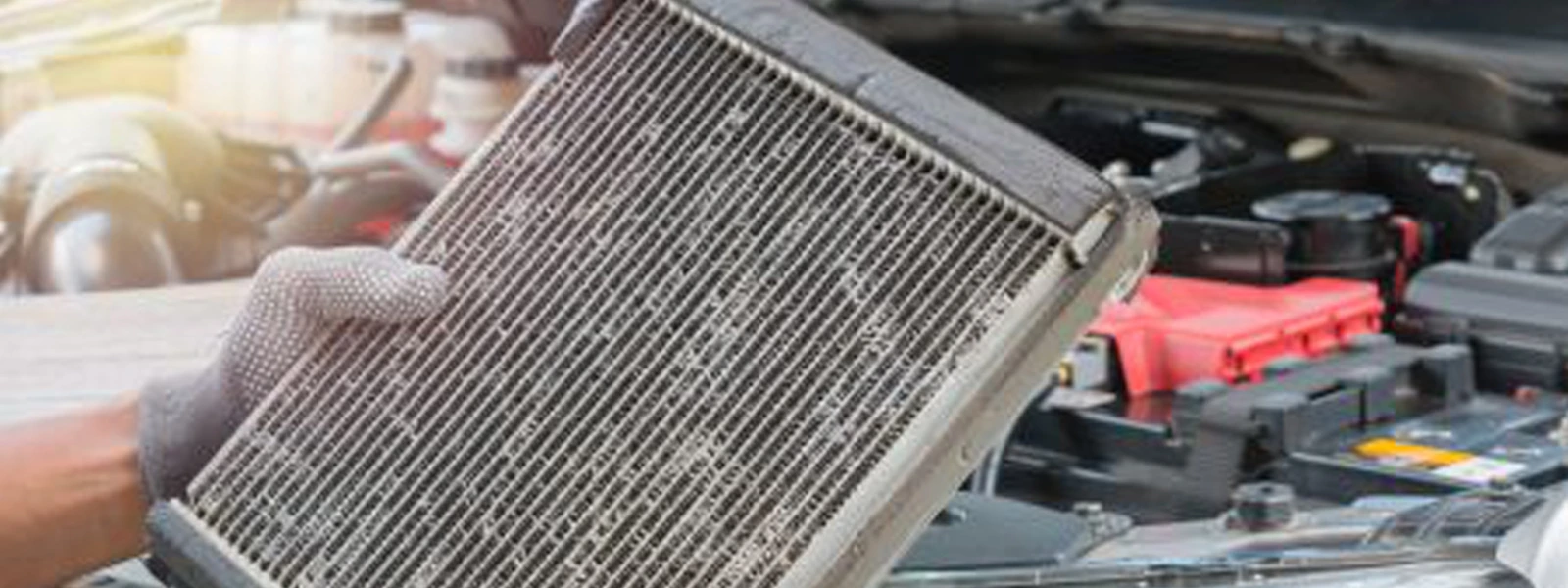
Signs of a bad heater core
Recognizing a faulty heater core is relatively straightforward due to its clear and easily recognizable symptoms. Here are common indicators that your heater core may be compromised:
- Insufficient heat: If the heater fails to warm the cabin adequately or blows cold air, it indicates a potential issue with the heater core.
- Coolant odor: A distinct sweet smell inside the vehicle may suggest a heater core leak, allowing coolant vapor into the cabin.
- Foggy windows: Persistent fogging, especially when using the defroster, indicates an inability of the heater core to regulate temperature effectively.
- Coolant puddles: Visible coolant leaks under the car or in the engine compartment are clear signs of a compromised heater core.
- Damp carpeting: Moisture or coolant accumulation on the passenger side floor, near the heater core's location, suggests a potential leak.
- Engine overheating: Issues with the heater core can contribute to engine overheating problems, requiring prompt attention.
- Unusual sounds: Strange noises like gurgling or hissing from the heating system may be associated with a faulty heater core.
- Reduced heating performance: If the cabin fails to warm up adequately, it indicates a potential problem with the heater core's heat transfer.
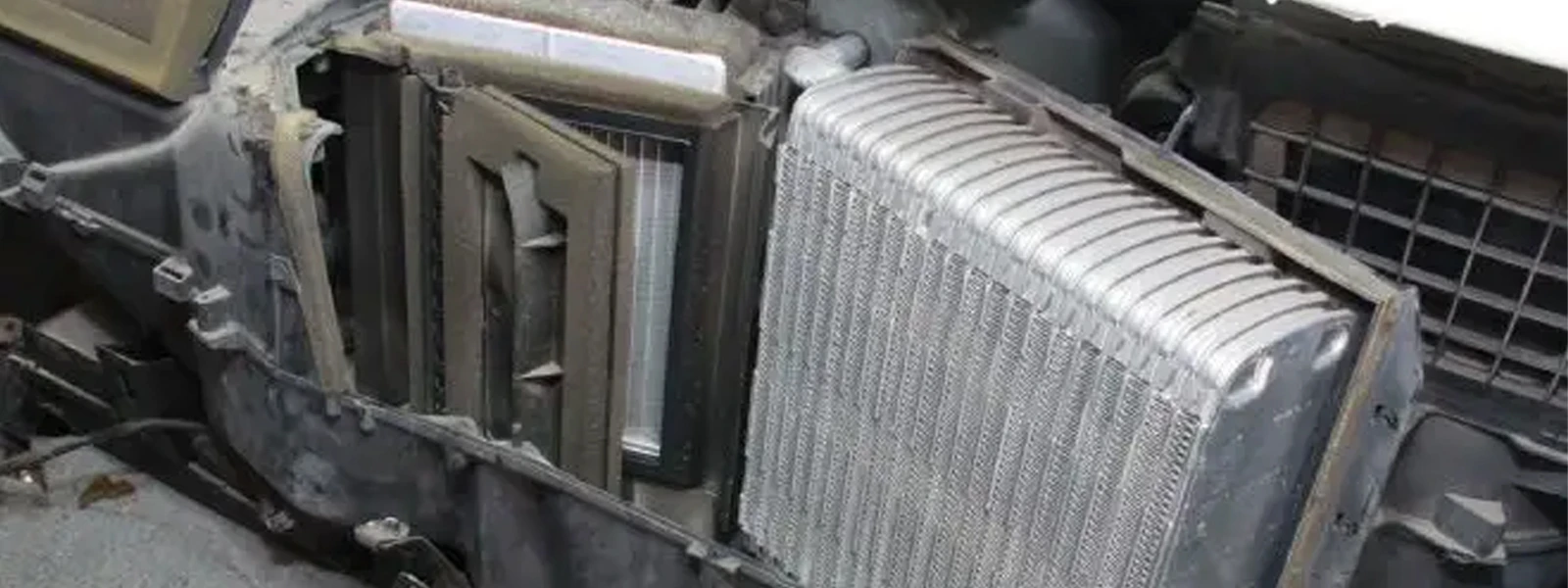
A malfunctioning heater core poses more than just discomfort during cold months—it can jeopardize visibility, making your drive uncomfortable and potentially unsafe. If you're familiar with this situation, driving with a failed heater core can lead to more significant problems, particularly if it involves leaking coolant. Apart from the core's inability to function correctly, a leaking heater core creates a messy situation. The liquid in question is coolant, or antifreeze, capable of causing damage to your vehicle. Moreover, antifreeze is toxic, and accidental ingestion can result in severe illness. Key ingredients like ethylene glycol, methanol, and propylene glycol may induce serious symptoms, potentially leading to death if not promptly addressed. Even if you avoid directly consuming the liquid coolant, the vaporized coolant can still circulate within the vehicle. Inhaling this vaporized coolant can cause illness in both you and your passengers. Therefore, delaying a heater core replacement while simply adding coolant as a temporary fix can lead to more extensive and unforeseen damage.
What are the difficulties during a heater core replacement
Now, this is where it becomes intriguing. Due to their placement within the passenger area, accessing heater cores can pose a considerable challenge, possibly requiring the removal of the entire dashboard.
While some older cars and trucks may offer a convenient access panel in the engine bay, many contemporary vehicles do not provide this feature. As a result, performing a heater core replacement or repair often involves disassembling interior components, adding an extra layer of complexity to the process.
The complexity of replacing or repairing a heater core depends entirely on the make and model of your vehicle. This holds especially true for contemporary cars, where challenges may arise from factors such as sound/heat insulation, airbags, and the intricate components of advanced infotainment and HVAC systems. Once you've reached the old heater core module, the actual replacement is usually a straightforward swap-in/swap-out operation.
Locate the heater core
To locate the heater core in your car, start by referring to your vehicle's manual for specific guidance. Typically, the heater core is situated within the dashboard on the passenger side. Examine the lower part of the dashboard, near the center console, and check for removable panels or access points that lead to the heater core. Follow the heater hoses from the engine compartment into the interior, as they often connect to the heater core. Additionally, inspect the firewall, which separates the engine compartment from the interior, as the heater core is usually positioned against it. If needed, consider seeking visual aids from online resources or forums dedicated to your vehicle's make and model. If locating the heater core becomes challenging, seeking professional assistance or consulting with a mechanic is advisable.
Finish the job step by step
To successfully complete this task, you'll require various tools such as a jack, jack stands, a socket set, wrenches, pliers, a drain pan, and rags. In addition to obtaining a new heater core, it's essential to have coolant on hand. Depending on the situation, you might also find it necessary to have heater core hoses and hose clamps available.
Once you locate the heater core, elevate the front of your vehicle using jacks and proceed to operate:
- Drain the coolant
Locate the radiator drain plug, position the drain pan underneath, and open the plug to drain the coolant. Dispose of the old coolant properly.
- Access the heater core
Carefully disassemble the dashboard components to access the heater core. Keep track of removed parts for easier reassembly.
- Disconnect hoses and lines
Identify and disconnect the hoses and lines connected to the heater core. Use appropriate tools and take note of their positions for reconnection.
- Remove the old heater core
Gently remove the old heater core from its position, paying attention to its orientation. Take care not to damage surrounding components.
- Install the new heater core
Align the new heater core correctly and secure it in place. Reconnect the hoses and lines, ensuring tight and secure fittings.
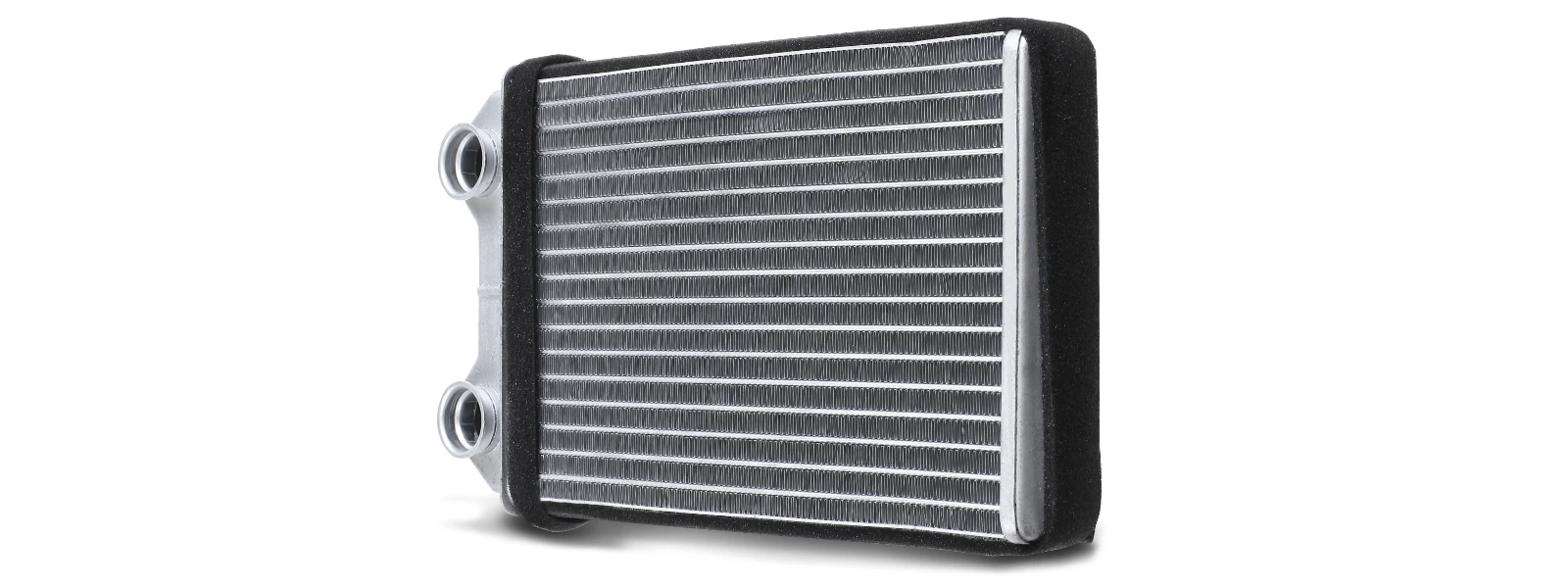
- Refill coolant and bleed system
Pour the appropriate coolant into the radiator, following your vehicle's specifications. Start the engine and allow it to reach operating temperature, then bleed the system to remove air pockets.
- Test the heater
Turn on the heat and test the system to ensure the new heater core is functioning correctly. Check for any leaks or unusual sounds.
- Reassemble the dashboard
Carefully reassemble the dashboard components in the reverse order of disassembly. Ensure all parts are securely in place.
Completing this task is feasible, and the level of difficulty varies, ranging from straightforward to challenging, contingent on the heater's positioning within your vehicle. If you encounter any problems that you can’t handle, you are always suggested to ask a local mechanic for help. Explore the assortment of heater cores as well as other heating and cooling components offered on A-premium online to help yourself get things done.


