Fuel Filter: Protector of the Car’s Heart

As the guardian of the car's core, the fuel filter effectively screens out impurities present in the fuel, thus preventing contaminants from infiltrating the engine. This ensures the purity of the fuel, the smooth and efficient operation of the engine.
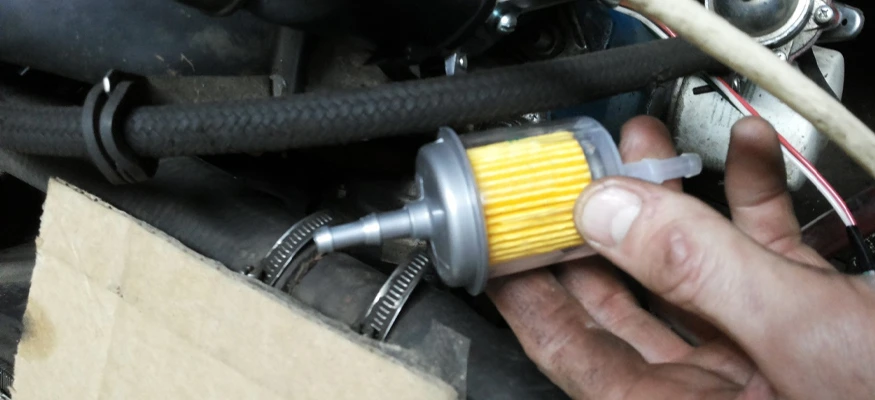
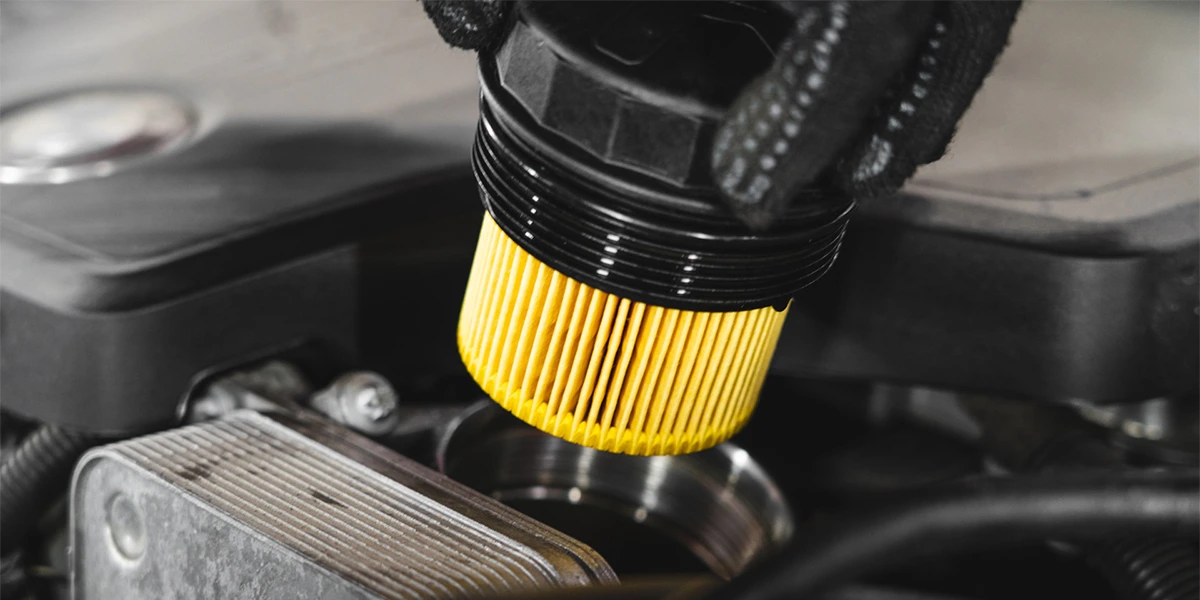
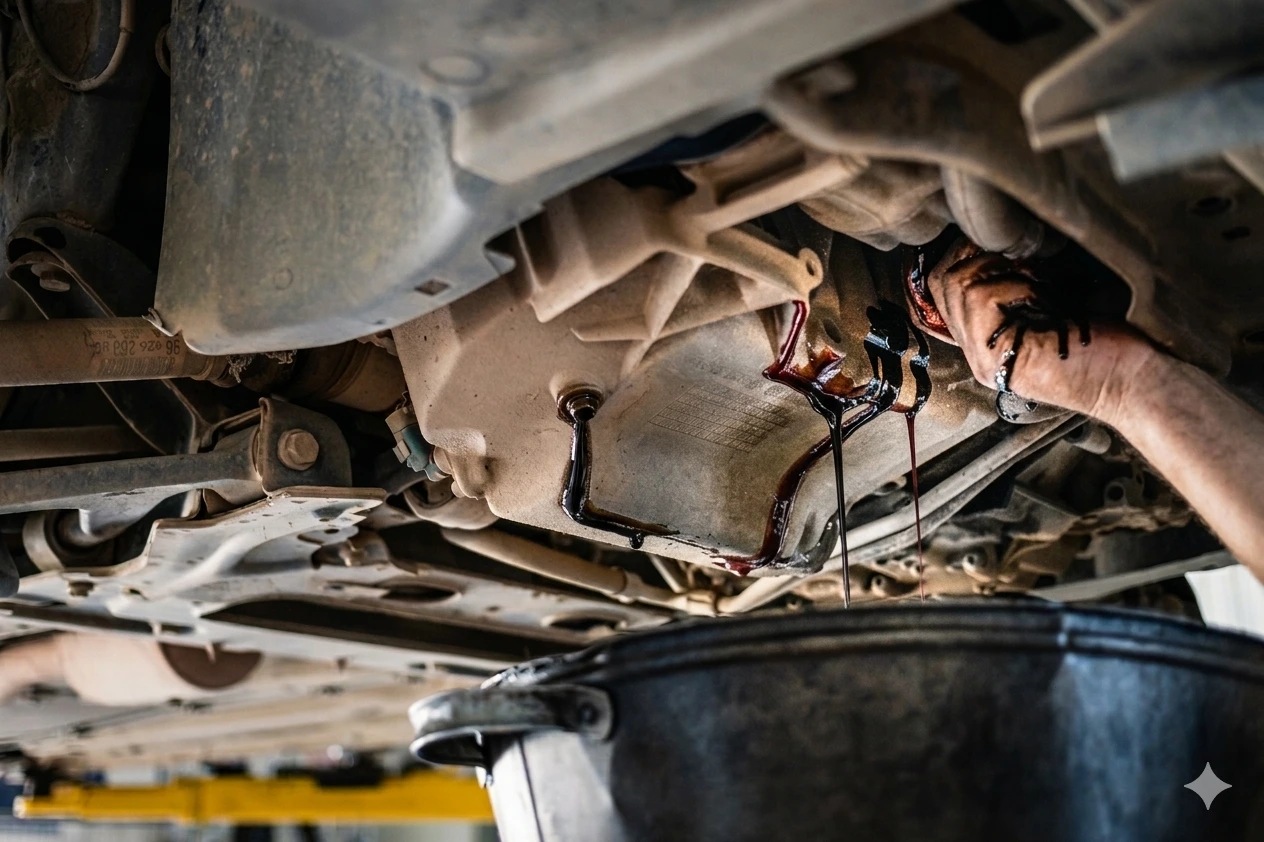


Fuel filters are essential for the smooth running and longevity of a car's engine. Fuel filters, as an integral part of the fuel system, are designed to remove impurities and pollutants from the fuel before they reach the engine. By making sure that only clean and filtered fuel flows through the system, the fuel filter helps to prevent critical engine parts from being damaged, to optimize fuel efficiency, and to maintain overall performance. In this blog, we'll explore the importance of a fuel filter, how it works, and how important it is to maintain it regularly.
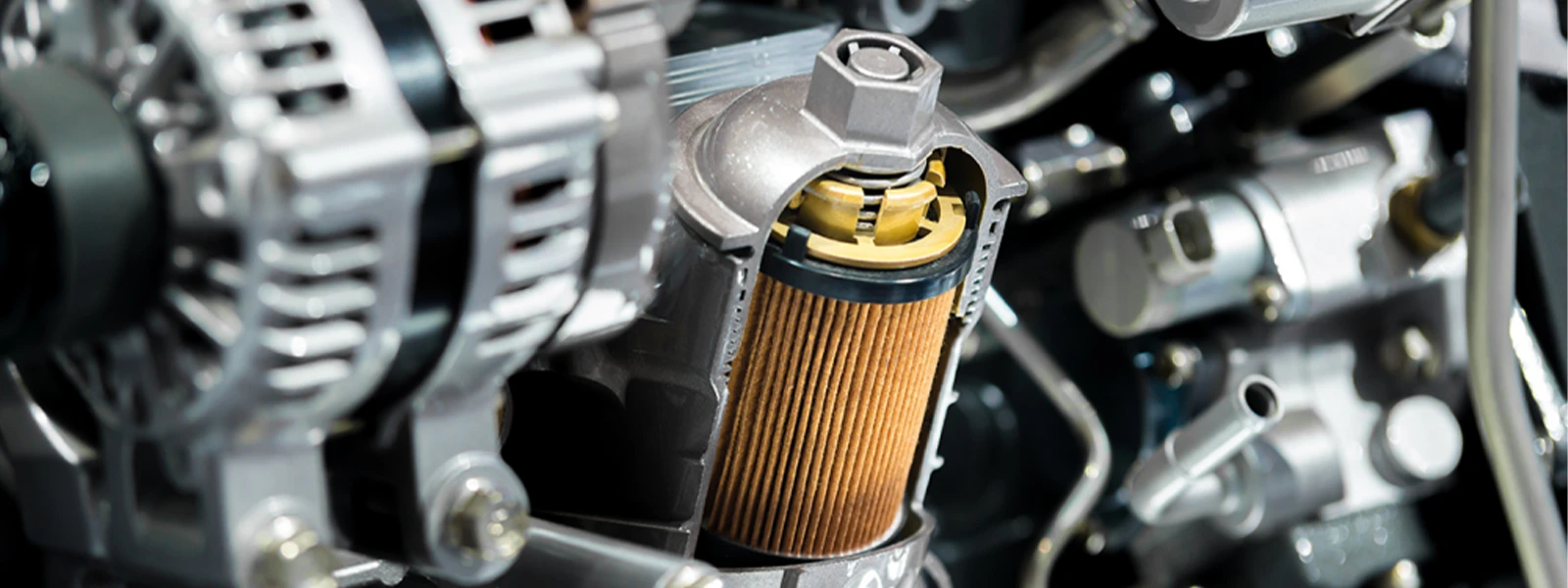
Fuel Filter: What It’s For
Fuel filters are critical parts of a car's fuel system that are designed to remove impurities and pollutants from the fuel before they reach the engine. It acts as a barrier, trapping dirt, debris, rust, and other particles in the tank or fuel line. By preventing these pollutants from getting into the engine, the fuel filter helps to maintain the best performance, fuel efficiency, and longevity.
Over time, the fuel filter may build up debris and become clogged. The blockage of the fuel filter limits the flow of fuel, which leads to reduced engine performance, fuel efficiency, and possible engine stalling. Therefore, it is very important to adhere to the recommendations of the vehicle manufacturer and to regularly check and change the fuel filter. This ensures optimal performance of the fuel system and avoids any potential problems.
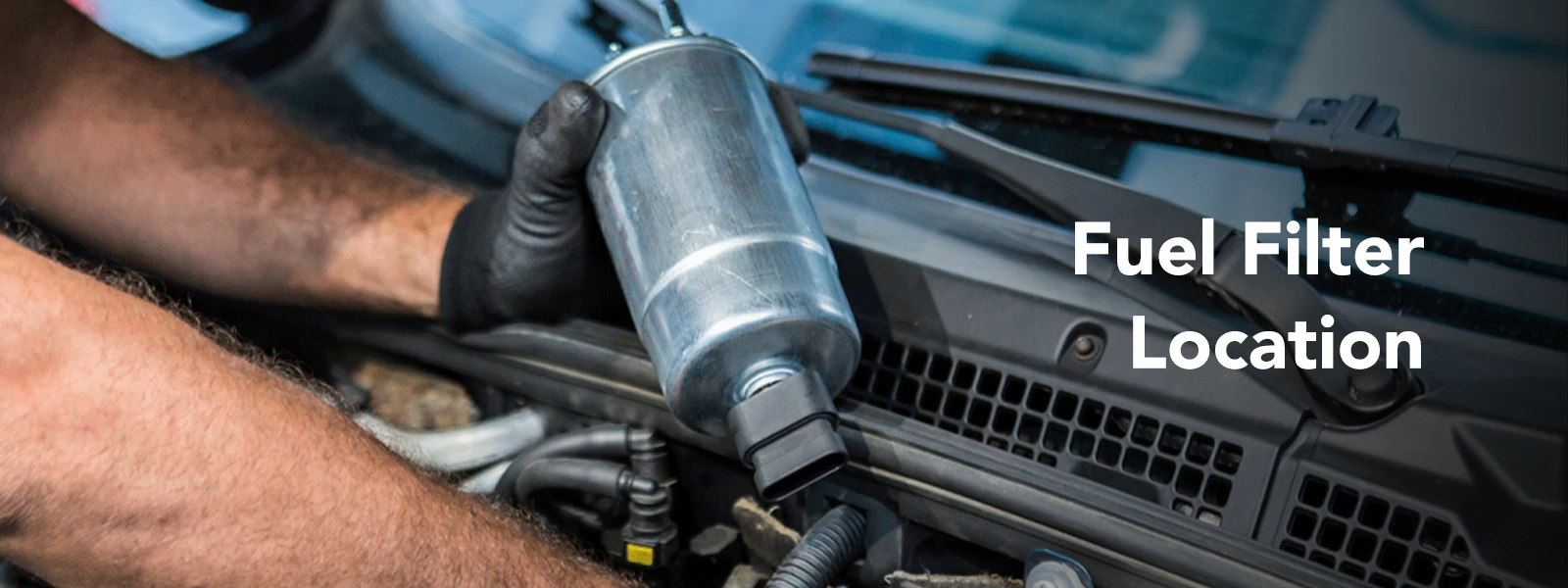
Where is the Fuel Filter Located
After you understand what a fuel filter is, it is also important to further understand the location of the fuel filter. The position of the fuel filter in a vehicle can vary according to the make, model, and year of the car. There are, however, several common areas in which you may find a fuel filter:
Under the car: In many cars, the filter is placed along the fuel line under the vehicle, usually close to the fuel tank or along the frame rail. It may be secured with brackets or clamps.
Engine compartment: In some vehicles, the fuel filter is located in the engine compartment, often close to the firewall or the fender. It may be installed on the firewall itself, or it may be connected to the fuel line in that area.
Inside the fuel tank: In some modern vehicles, the fuel filter is integrated with the fuel pump module and located inside the fuel tank.
In order to determine the exact position of the fuel filter in a specific vehicle, it is recommended that you consult the vehicle owner's handbook or a reliable maintenance manual. Typically, these sources provide detailed drawings and instructions for the location and replacement of fuel filters.
Types of Fuel Filter
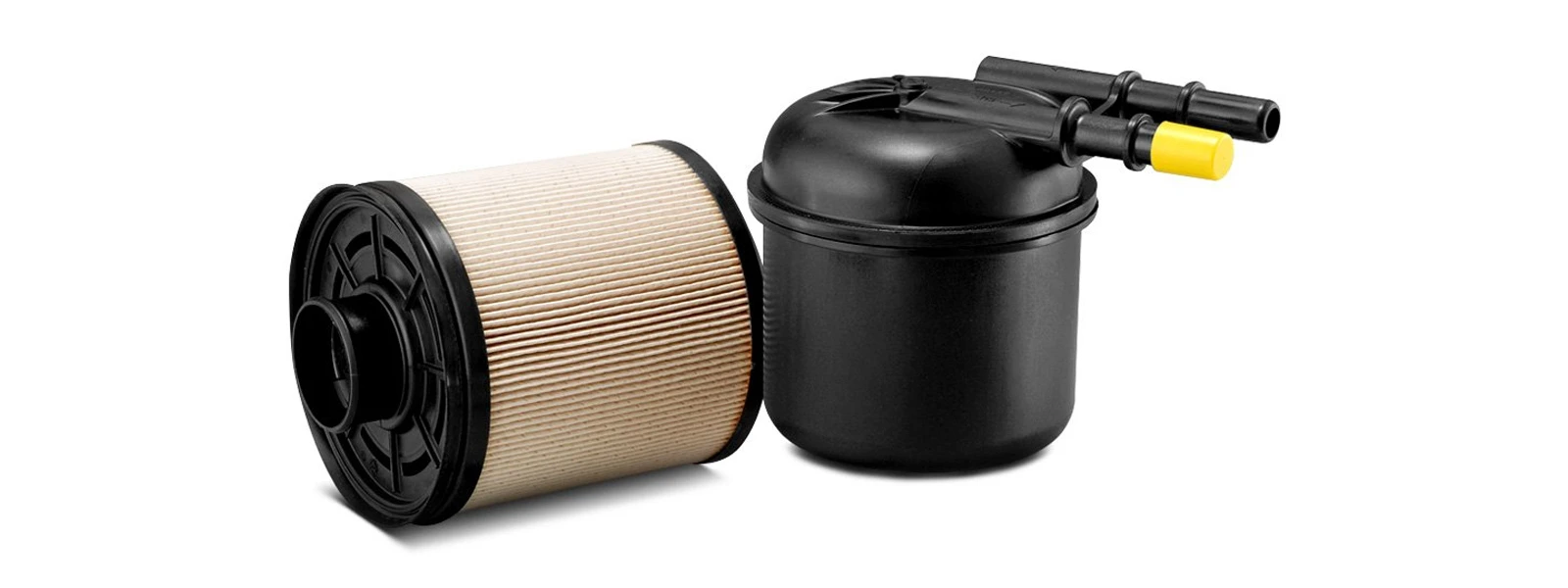
There are several main types of fuel filters:
According to different fuel types, fuel filters can be divided into diesel filters, gasoline filters and natural gas filters .
Depending on the location of the installation, there are two types of fuel filters: external and built-in. The outer filter is usually placed on the bottom of the chassis, and the inner filter is in the fuel tank. Although they are installed in different locations, they have the same effect, which is to filter the impurities in the fuel.
According to different working principles, they can be divided into magnetic fuel filters and water-separating fuel filters. Magnetic fuel filters use the principle of magnetism to attract and absorb ferromagnetic impurities in the fuel. Helps prevent engine wear and clogging and improves fuel system reliability. Water-separating fuel filters are used to remove moisture and impurities from fuel. They usually have special structures and materials that can effectively separate water from the fuel and prevent moisture from causing damage to the engine.
Signs that Indicate a Clogged Fuel Filter
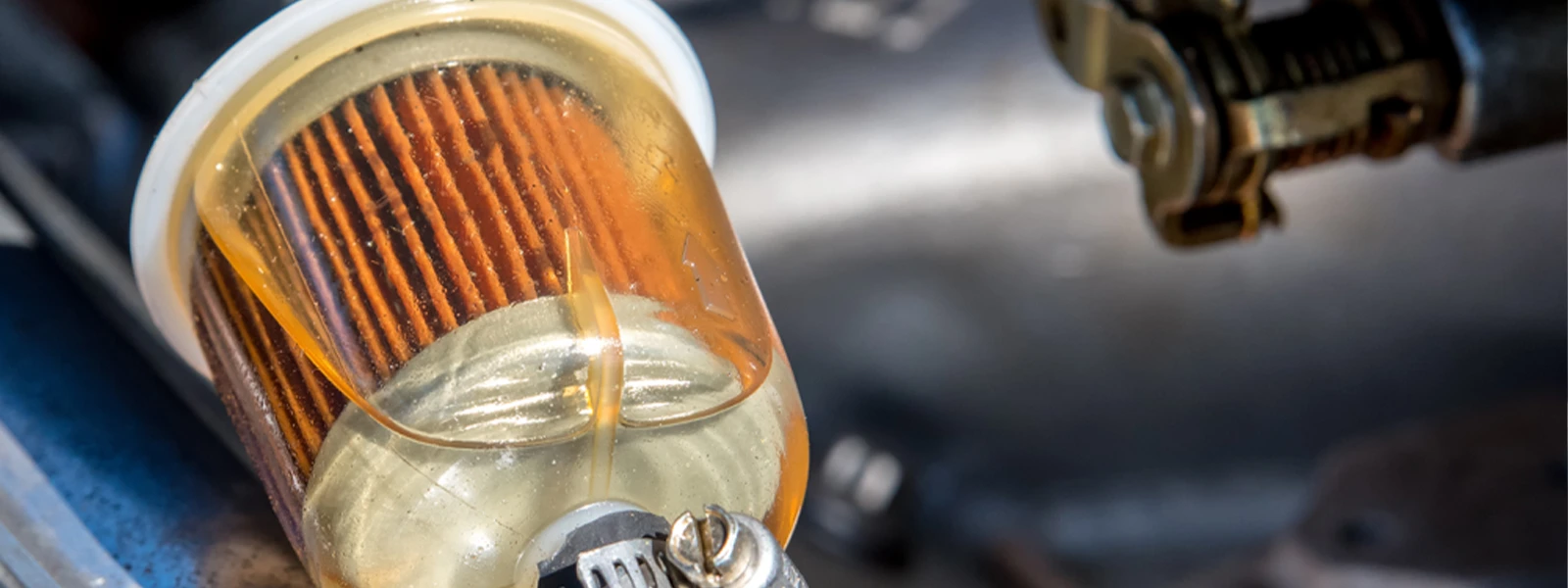
When a fuel filter gets clogged, it indicates that it has been blocked by the accumulation of debris and contaminants. This blockage restricts the smooth flow of fuel through the filter, potentially causing a range of issues with the vehicle's performance and its overall fuel system. To help you identify this problem, here are some telltale signs that indicate a clogged fuel filter:
1.Engine misfires or stalls: A clogged fuel filter can disrupt the fuel flow to the engine, causing it to misfire or stall, especially during acceleration or at higher speeds.
2.Decreased engine performance: Restricted fuel flow can result in reduced engine power and overall performance. The vehicle may feel sluggish or struggle to accelerate as it is not receiving enough fuel.
3.Difficulty starting: A severely clogged fuel filter may make it challenging for the engine to start, or it may require multiple attempts before it starts.
4.Poor fuel efficiency: When the fuel filter is clogged, the engine may not receive an adequate supply of fuel, leading to decreased fuel efficiency. You may notice a decrease in the number of miles per gallon (MPG) your vehicle can achieve.
5.Engine hesitation or surging: A clogged fuel filter can cause the engine to hesitate or surge during acceleration, as the fuel flow is not consistent.
If you experience any of these signs, it is recommended to have the fuel filter inspected and replaced if necessary. Regular maintenance and replacing the fuel filter as per the manufacturer's recommendations can help prevent clogging and maintain the proper operation of the fuel system.
How to Clean Car Fuel Filter
Cleaning a fuel filter is not a common practice as most fuel filters are designed to be replaced when they become clogged or dirty. However, some fuel filters can be cleaned if they are of the reusable type. Here are some general steps to clean a reusable fuel filter:
- Safety first: Before attempting to clean the fuel filter, make sure you are working in a well-ventilated area and away from any open flames or sources of ignition. Wear appropriate safety equipment such as gloves and goggles.
- Removing the fuel filter: Locate the fuel filter in the vehicle and follow the specific instructions provided in the vehicle service manual to safely remove the fuel filter.
- Check the filter: Check for dirt, debris, or blockage. If the filter is heavily clogged or damaged, it is usually recommended to be replaced.
- Clean the filter: If the filter is reusable and shows minor signs of contamination, you can clean it using an appropriate cleaning solution. Soak the filter in the cleaning solution and stir gently to remove any remaining debris. Then rinse thoroughly with clean water.
- Dry and reinstall: Make sure the filter is fully air-dry. Then re-install it as instructed by the manufacturer to make sure that it is properly fitted.
It's important to note that not all fuel filters are designed to be cleanable, and attempting to clean a non-reusable filter may result in damaged filters or ineffective filtration. If you have any doubts about this, it is recommended to consult a professional mechanic or replace the filter entirely.
Filter Service Interval
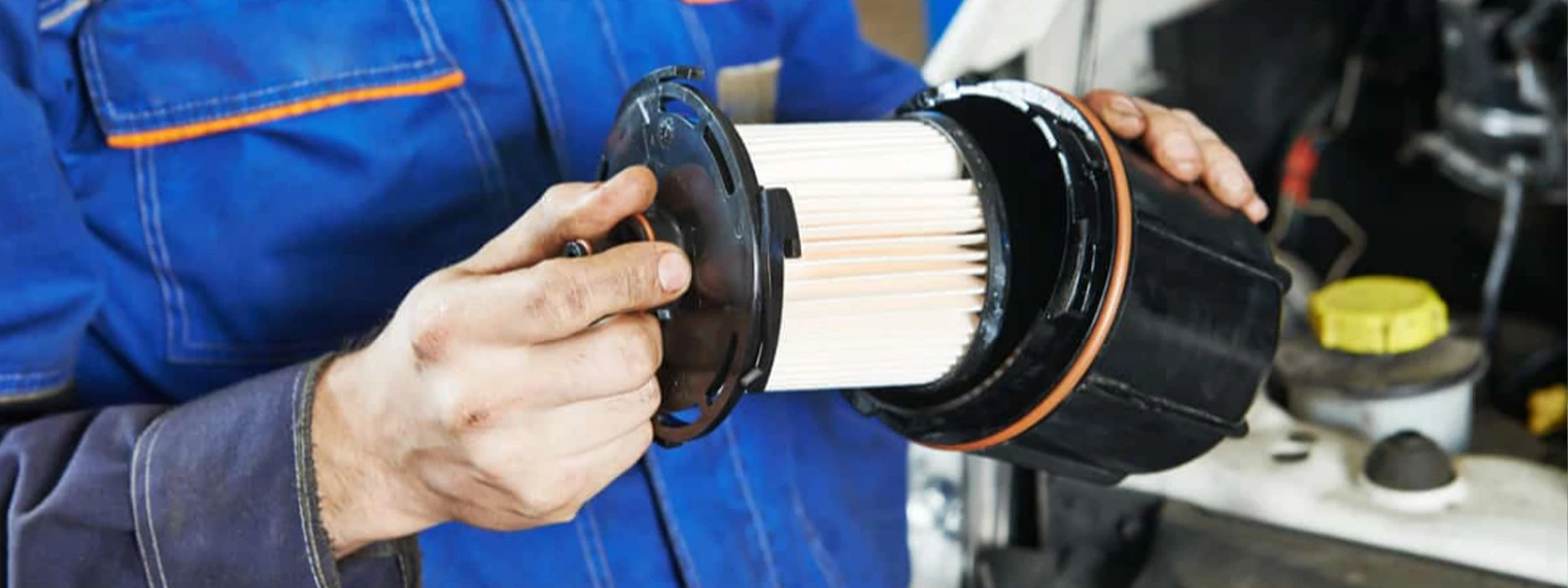
Maintaining and replacing your fuel filter regularly is a recommended practice, but determining the appropriate timing can be a common question. The answer depends on factors such as your vehicle's age and the manufacturer's guidelines.
To determine the specific interval for your vehicle, it is best to consult your vehicle's owner's manual as the recommended intervals can vary. Different brands may suggest intervals at different mileage milestones, such as 20,000 miles or 70,000 miles. Notably, certain vehicles like those from Mercedes-Benz may have extended intervals of up to 150,000 miles.
However, there are exceptions to these general guidelines, especially if you engage in heavy trailers or off-road driving. In this case, if there is dust or dirt, the time to replace the fuel filter will be cut in half. This ensures that your engine has the best amount of fuel, quality, performance and life. If you need to replace a fuel filter, you are welcome to go to the A-Premium online store to select a fuel filter that matches your car model. Our website not only has high-quality auto parts products, but also provides you with a convenient and efficient shopping experience.


