The Need-to-Know Guide on Expansion Tank Replacement

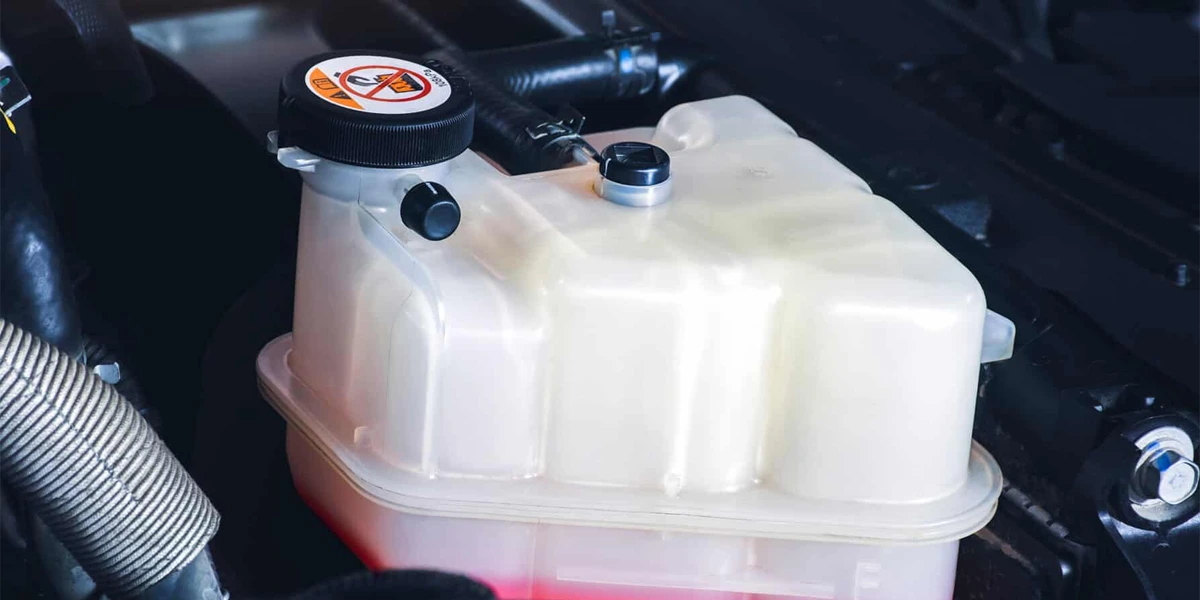
A car expansion tank stores excess coolant, accommodating fluid expansion as the engine heats up. Replacing a malfunctioning expansion tank is essential to avoid overheating, pressure issues, and consequential engine damage in the vehicle.


Suggested A-Premium Parts


The auto expansion tank is essential in the engine cooling system. It absorbs excess coolant and minimizes pressure changes from temperature fluctuations. This prevents excessive pressure buildup and reduces the coolant hammer that can damage the engine. It also redistributes excess coolant, maintaining proper levels and preventing air entry that causes overheating. The auto expansion tank's ability to regulate pressure and coolant makes it critical for the cooling system's reliable operation.
Identifying a failing expansion tank
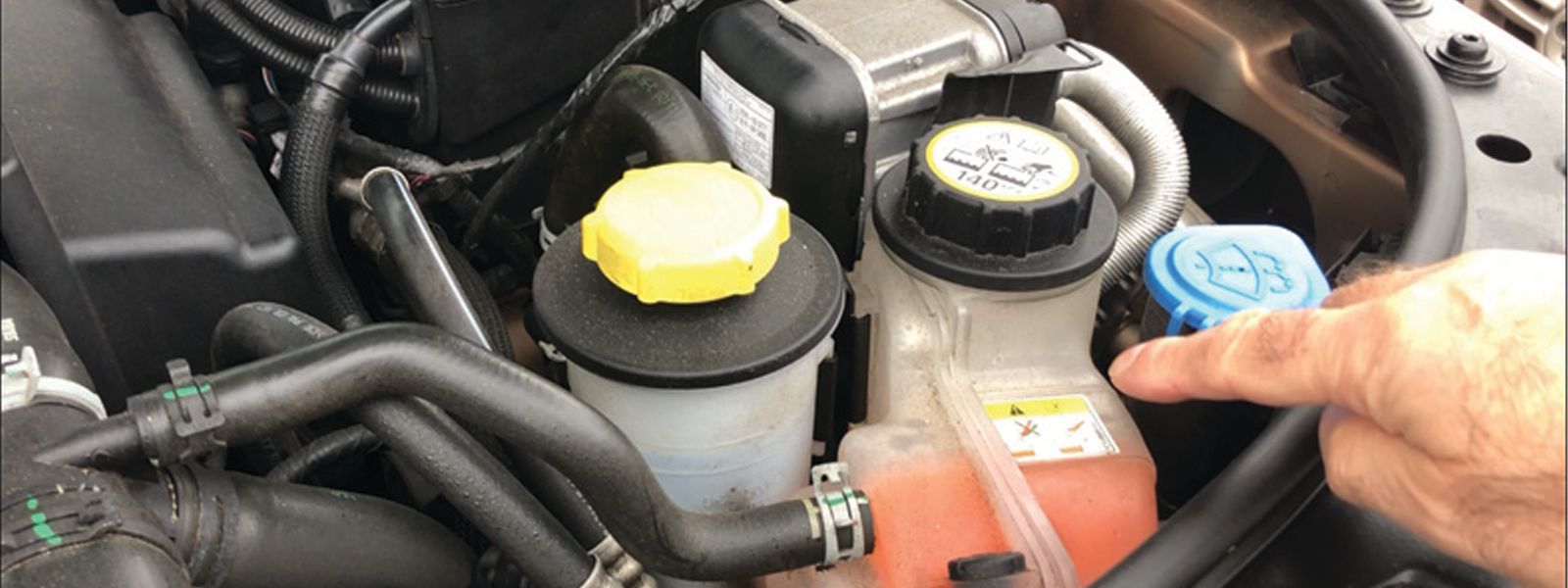
Some easily noticeable signs can suggest the coolant expansion tank in a cooling system is failing. By observing the following indicators, you can easily determine if the coolant expansion tank is damaged and promptly replace it to safeguard the cooling system.
Coolant level
Low coolant level: If the coolant level in the expansion tank is consistently low and requires frequent refilling, it could indicate a leak in the tank or elsewhere in the system.
Erratic coolant levels: Rapid or recurrent variations in the coolant volume within the coolant expansion tank may indicate the tank is failing to effectively manage the expansion and contraction of the coolant as temperatures fluctuate.
Overfilled expansion tank: If the coolant expansion tank is consistently overfilled, it may mean the tank can no longer accommodate the coolant's full expansion during heating.
Cooling pipes
Visible leaks: Coolant leaks around the coolant expansion tank or its connections to the cooling pipes can clearly indicate a failed or failing tank.
Excessive pressure: If the cooling system is experiencing high pressure, it could indicate the expansion tank is not properly regulating the pressure, leading to strain on the cooling pipes.
Coolant discoloration: Discolored or contaminated coolant may point to issues with the expansion tank, such as internal corrosion or chemical breakdown.
Overheating: If the engine is overheating, it could result from the coolant expansion tank's inability to properly circulate and distribute the coolant throughout the system.
Replacing the coolant expansion tank: a thorough guide
- Draining the coolant: To start, find the drain plug on the radiator or the cooling system. Collect the coolant in a suitable container for proper disposal. Make certain that the coolant has been completely drained before proceeding.
- Disconnect and remove the old tank: Identify the connections between the coolant expansion tank and the cooling system, which may include hoses, clamps, and mounting bolts. Carefully disconnect these connections and secure the tank so it can be removed. Take note of the tank's orientation and positioning to help guide the installation of the new one. Gently remove the old expansion tank from its mounting location.
- Install the new expansion tank: Carefully position the new coolant expansion tank in the same orientation as the old one. Reconnect all the hoses, clamps, and mounting hardware to secure the new tank in place. Ensure all the connections are tight and leak-free.
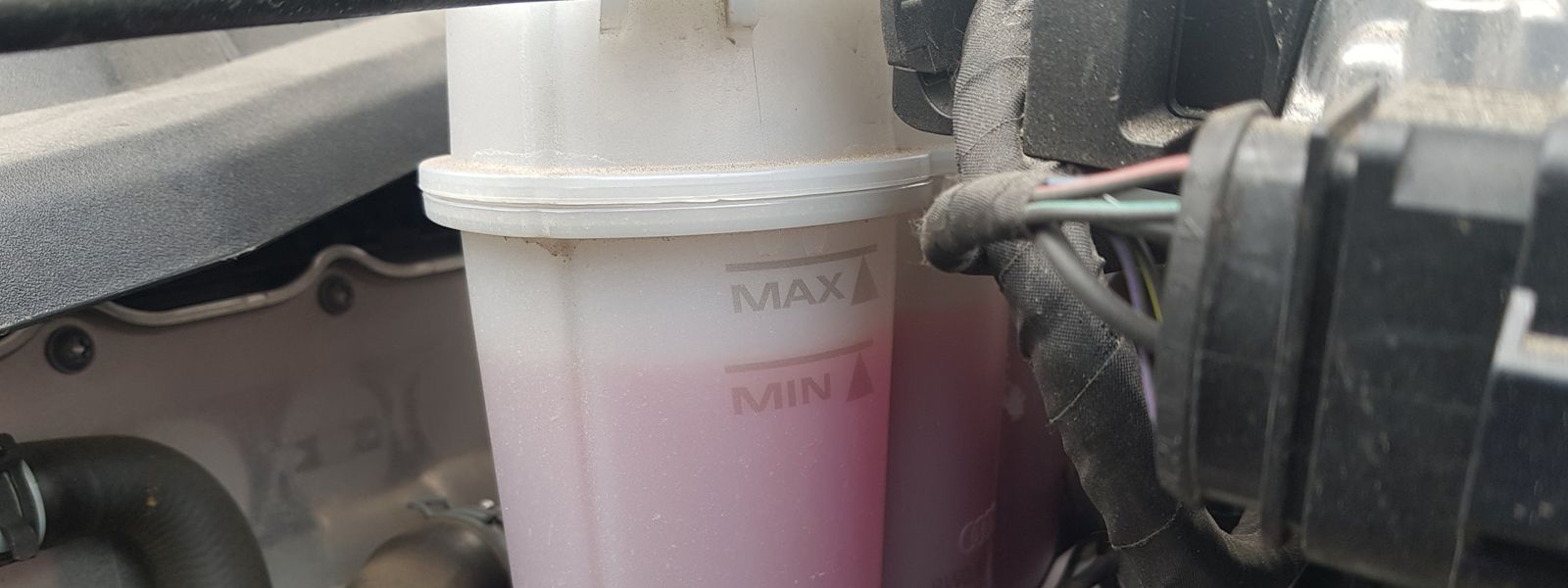
- Refill the coolant and bleed the cooling system: Slowly add the recommended type and quantity of coolant to the system, following the manufacturer's specifications. Top up the coolant in the expansion tank until it reaches the designated fill level. Start the engine and let it run until the thermostat opens and the cooling system is fully circulated. Monitor the coolant level in the coolant expansion tank and top it up as needed to maintain the proper level.
- Perform a leak test and reset the cooling system: Inspect the entire cooling system, including the new coolant expansion tank, for any signs of coolant leaks. Address any leaks before returning the vehicle to service. The final step is to address any fault codes or warning lights that may have arisen due to the coolant expansion tank replacement. Additionally, verify that the cooling system is operating properly, with the engine temperature remaining within the normal operating parameters.
By following these detailed steps, you can successfully replace a failing expansion tank and restore the proper operation of the cooling system.
Essential steps for expansion tank upkeep
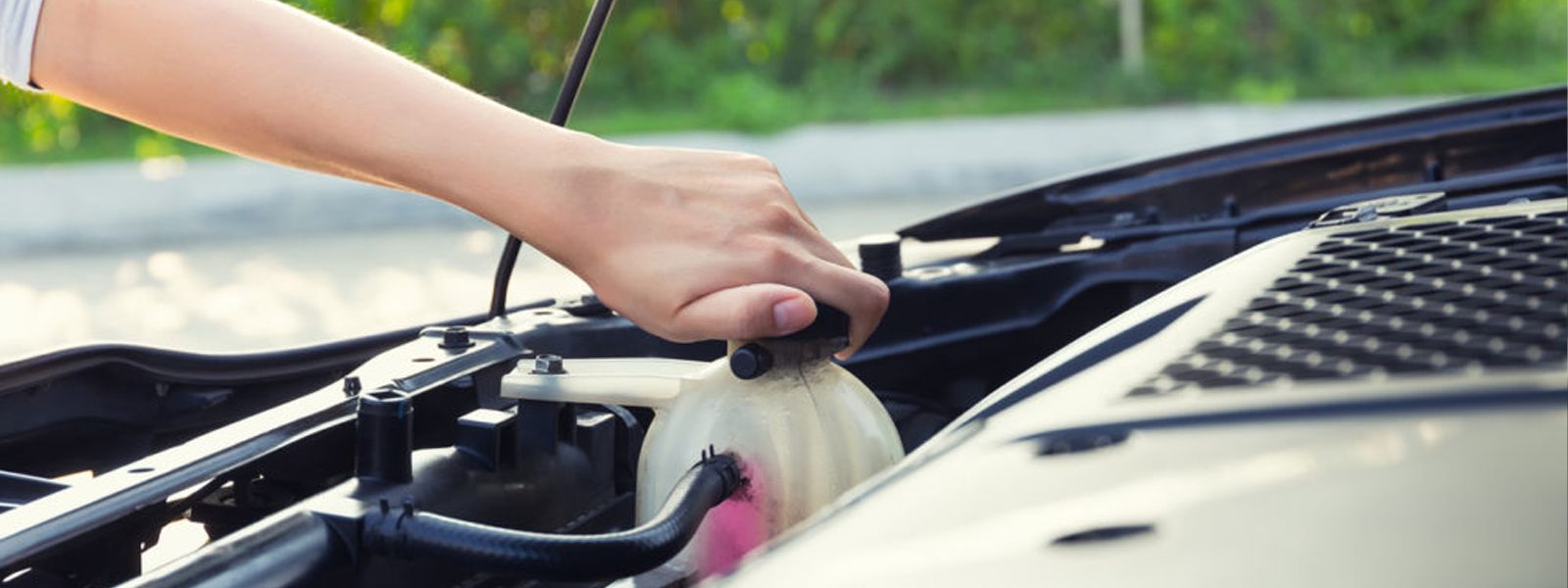
One of the key maintenance tasks for expansion tanks is to regularly check the air pressure. Over time, the air cushion inside the tank can become depleted, reducing its ability to absorb pressure changes. To address this, the air pressure in the coolant expansion tank should be checked and adjusted as necessary, typically using a tire pressure gauge.
It's important to regularly inspect the expansion tank for signs of corrosion or damage. Corrosion can weaken the tank's structure, causing leaks or even failure. If any issues are found, the tank will likely need replacement or repair by a qualified professional.
When encountering issues with your coolant expansion tank, evaluate whether the tank size is unsuitable. If so, promptly replace the tank with a properly sized unit. Proper expansion tank sizing is critical. An undersized tank may lack the capacity to accommodate the thermal expansion of the heated water, leading to pressure problems. Conversely, an oversized tank can struggle to effectively regulate pressure fluctuations within the system.
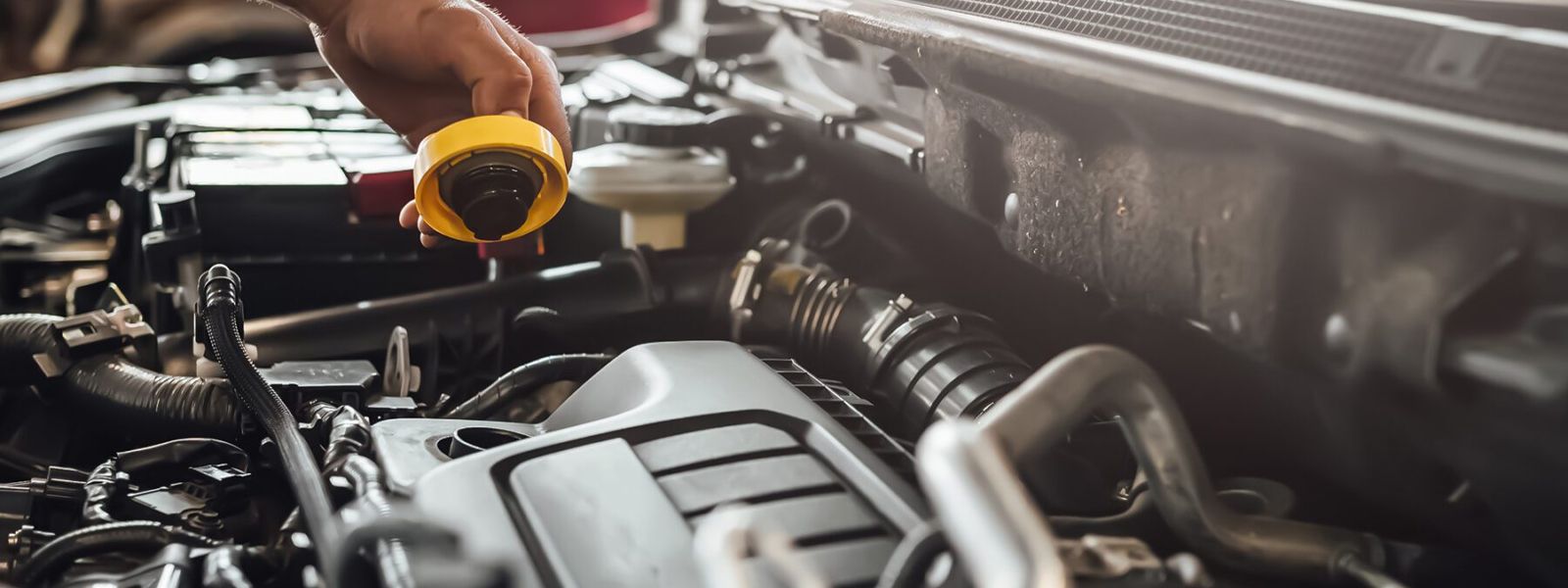
A-Premium’s reliable expansion tanks
A-Premium expansion tanks are manufactured using high-quality materials, making them compatible with a wide range of popular vehicle models on the market, such as Ford, BMW, and Chevrolet. Our expansion tanks boast excellent stability, superior heat resistance, and robust sealing, effectively preventing leakage issues. Regularly inspecting and replacing the expansion tank, coolant pipes, and other components is crucial to ensure your cooling system continues to function smoothly, providing you with an enhanced driving experience.
At A-Premium, we are committed to delivering the highest quality service. We offer free standard shipping, easy returns, and a 2-year warranty policy. Our 24/7 customer support team is dedicated to answering your questions and addressing any issues you may have, as your satisfaction is our top priority.


