The Role of the Expansion Tank in Automobile Cooling Systems

The car coolant expansion tank is a vital component that accommodates fluid volume changes, maintains proper pressure, and removes air bubbles, ensuring efficient cooling system operation through a pressurized air pocket and durable construction.


What is an expansion tank
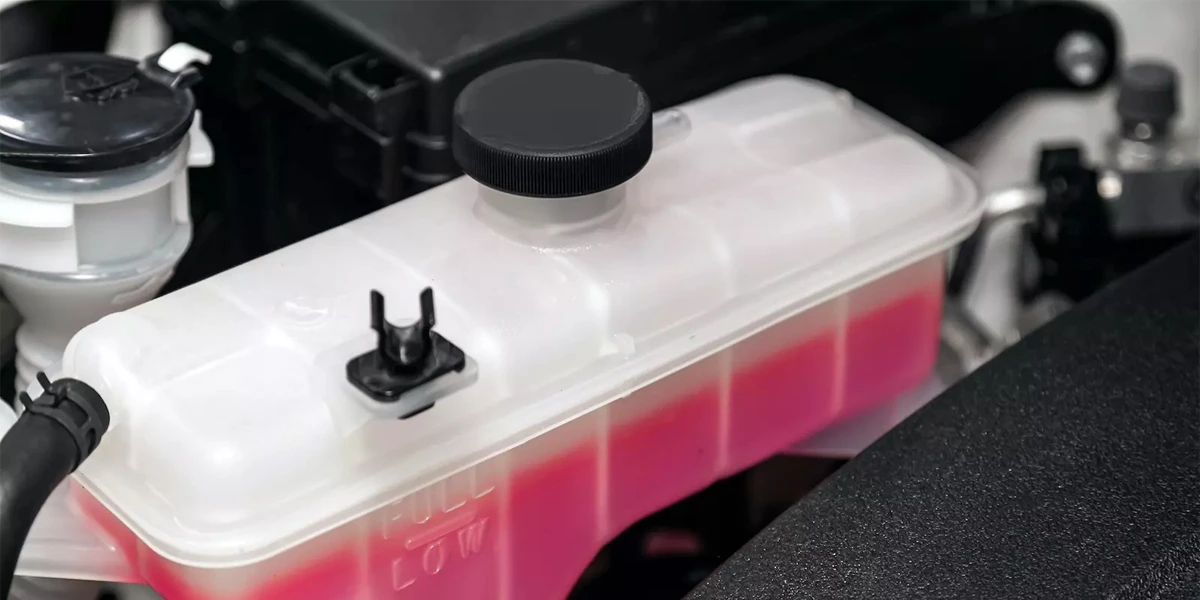
An auto-expansion tank is a critical component in cooling systems. Its primary function is to accommodate the volume changes that occur as the fluid in the system heats up and cools down. This helps to maintain the proper pressure in the system and prevents damage to the pipes and other components.
In automobiles, the coolant expansion tank is located at the highest point of the cooling system, often near the engine. It serves to allow for the expansion of the coolant as it heats up, providing a reservoir to maintain the proper coolant level and pressure in the system. The car expansion tank also helps to trap and remove air bubbles from the cooling system, which can interfere with efficient coolant flow.
The car expansion tank is typically constructed of durable plastic or metal materials. Inside, it contains a diaphragm or bladder that separates the coolant fluid from a pocket of pressurized air or gas. This pressurized air pocket plays a crucial role in helping to maintain the proper system pressure as the coolant volume expands and contracts during the heating and cooling cycles.
Reasons for the coolant expansion tank's positioning
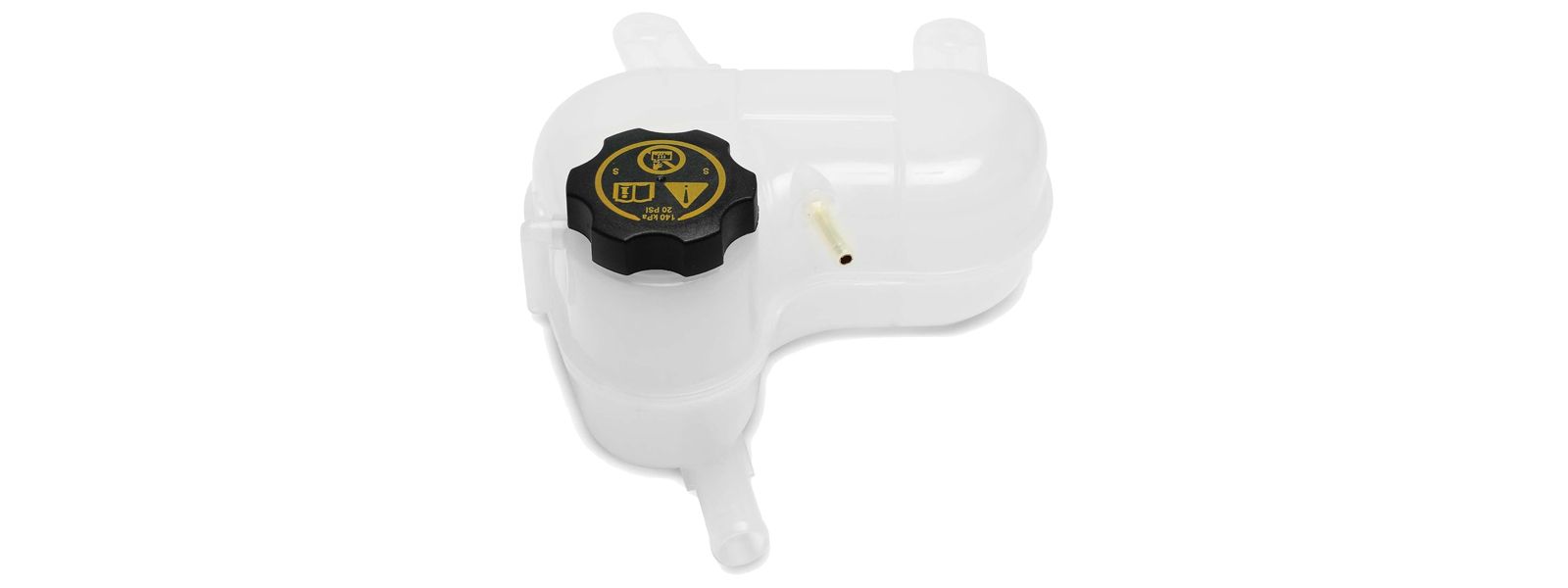
The coolant expansion tank is strategically positioned at the highest point within the vehicle's cooling system, usually located close to the engine. This elevated placement allows the tank to effectively capture and contain the coolant as it expands when heated. Mounting the coolant expansion tank near the engine also helps minimize the length of the overflow hose needed to connect the two components.
When determining the optimal placement of the expansion tank, engineers must consider several important design factors. The tank needs to be accessible for easy visual inspection and servicing. It should also be situated away from direct heat sources like the engine or exhaust to prevent excessive coolant expansion. Additionally, the tank's location must account for potential interference with other vehicle systems and components, ensuring it does not obstruct airflow or create clearance issues. By carefully accounting for these placement considerations, manufacturers can integrate the car expansion tank seamlessly within the overall cooling system.

Coolant expansion tank's functions
The coolant expansion tank's key role is to manage changes in coolant volume. As the coolant expands when heated, the tank absorbs the extra volume to avoid high-pressure buildup. Conversely, when the coolant contracts as it cools, the tank releases the reduced volume to maintain stable system pressure.
Additionally, the coolant expansion tank plays a key role in maintaining the overall pressure within the cooling system. It contains an internal air bladder or diaphragm that separates the coolant from compressed air. As the coolant expands, the compressed air is further pressurized, helping to stabilize the pressure throughout the cooling system.
Furthermore, the expansion tank helps prevent potential cooling system failures. Without it, the coolant's volume changes would directly impact system pressure, potentially leading to leaks or excessive pressure buildup, which can cause malfunctions. The coolant expansion tank effectively mitigates these issues, safeguarding the reliable operation of the cooling system.
Impact of a malfunctioning coolant expansion tank
- Pressurization problems: Without the coolant expansion tank to accommodate coolant volume changes, the system pressure will fluctuate excessively. This can result in high-pressure buildup that may cause leaks or even damage components.
- Coolant loss: If the expansion tank is unable to release coolant volume when the system cools down, the reduced fluid level can cause low coolant conditions, leading to overheating and potential engine damage.
- Overheating: The coolant expansion tank's inability to absorb expanded coolant volume during heating can prevent proper heat dissipation, causing the engine temperature to rise dramatically and leading to overheating.
- System instability: The loss of the expansion tank's pressure stabilizing function means the cooling system will experience wild swings in pressure, compromising its overall stability and reliability.
- Component failure: The extreme pressure fluctuations stemming from a faulty coolant expansion tank can eventually damage other cooling system components like hoses, water pumps, and radiators, leading to expensive repairs.
To summarize, a problematic coolant expansion tank can have wide-ranging detrimental impacts on the entire cooling system. It can undermine the system's performance, result in coolant loss, and even precipitate catastrophic engine damage if the issue is not resolved promptly.
Comprehensive coolant expansion tank maintenance
Regular visual inspection
The recommended inspection frequency for the coolant expansion tank depends on your vehicle's age and mileage. For newer cars with less than 50,000 miles, it's advisable to visually inspect the expansion tank during routine maintenance, such as oil changes every 5,000-10,000 miles. However, for higher mileage vehicles exceeding 50,000 miles, more frequent inspections every 3,000-5,000 miles are recommended.
Inspection based on usage
If your vehicle has experienced any cooling system issues, like overheating, coolant leaks, or frequent top-ups, you should inspect the car expansion tank more often, such as during each oil change. Refer to your owner's manual to understand the manufacturer's specific recommendations for expansion tank inspection.
Professional Repair Inspection
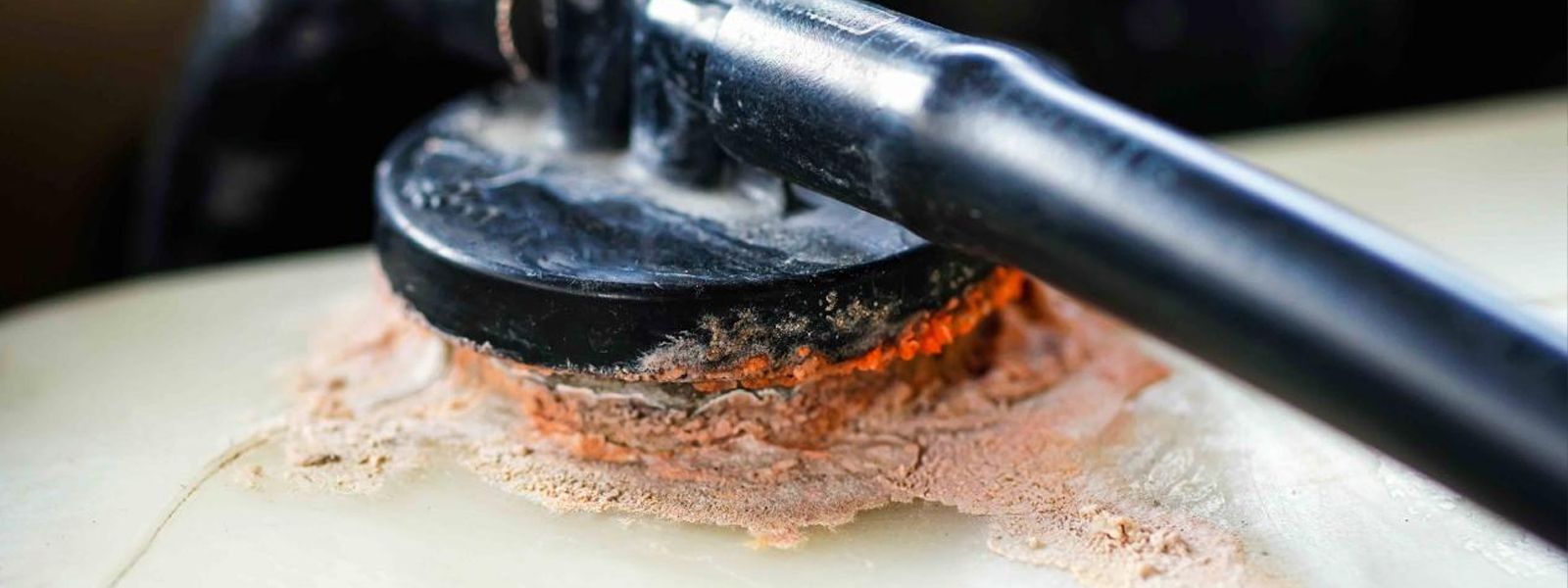
Regular professional inspections of the complete cooling system, inclusive of the coolant expansion tank or other critical components such as the engine coolant pipe, are advisable even when no apparent problems exist. This preventative measure allows for the early detection and resolution of any potential issues before they become more severe. If the inspection uncovers any signs of damage or deterioration in the coolant expansion tank, it should be replaced promptly, irrespective of the tank's current age.
Replacement Timeline
Expansion tanks typically have a service life of 5-10 years. Once your auto-expansion tank exceeds this timeline, it's recommended to replace it. Additionally, if the inspection reveals severe aging or damage, the coolant expansion tank should be replaced as soon as possible, regardless of its age.
Elevate your cooling system with A-Premium expansion tank
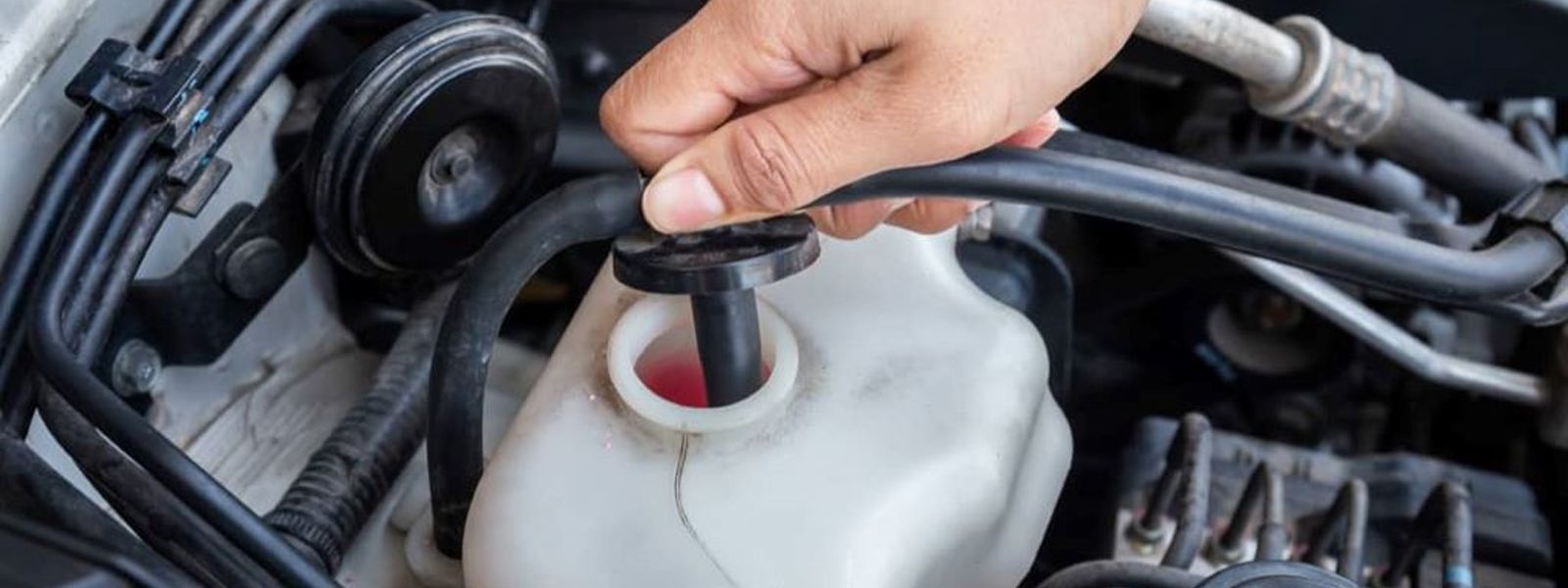
A-Premium expansion tank is the ultimate solution for your vehicle's cooling system, meticulously crafted with high-quality, durable plastic for long-lasting reliability, designed with universal compatibility to fit a wide range of makes and models, such as Ford, BMW, and Chevrolet. As parts of the coolant system, the coolant expansion tank, coolant reservoir tank, and coolant reservoir-recovery tank are equipped with secure, leak-proof caps to maintain optimal pressure and protect your engine from common issues like coolant leaks, cracks, overflow, and overheating, ensuring a smooth and worry-free driving experience mile after mile.
To safeguard your cooling system, consider purchasing an expansion tank mounting plate closely tied to the expansion tank or other relevant parts. A-Premium provides high-quality products and services. We offer free standard shipping, easy returns, and a 2-year warranty policy. Our customer service team stands ready to answer any questions and provide assistance whenever needed.


