EGR Valve: What Is It and What Does It Do?

The EGR valve in your car is vital for environmental protection, yet many car owners are unaware of its function. will tell you everything you need to know about your car's EGR valve.


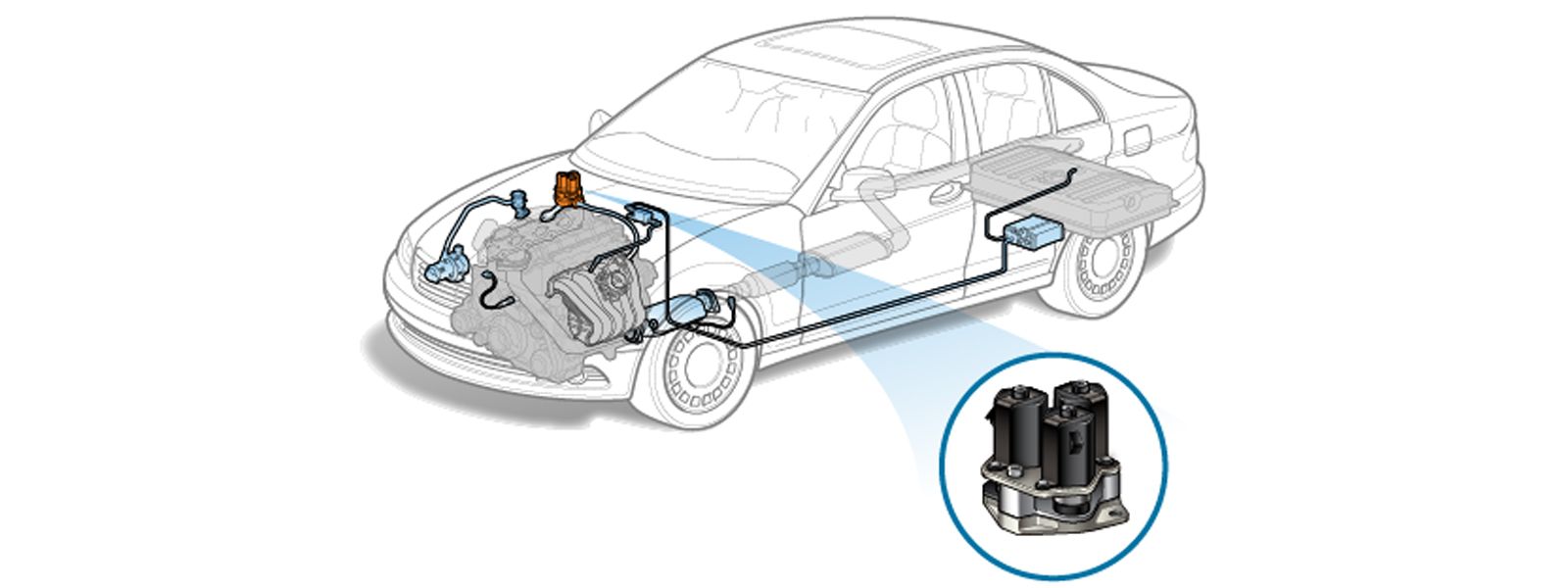
The EGR (Exhaust Gas Recirculation) valve is a vital component in a vehicle's emissions control system, primarily designed to reduce nitrogen oxide (NOx) emissions. NOx gases are significant contributors to air pollution and smog, making the EGR valve essential for meeting environmental regulations. By recirculating a portion of the exhaust gases back into the engine’s intake manifold, the EGR valve helps lower the combustion temperature, which in turn reduces the formation of NOx gases.
As the demand for lower emissions continues to rise, the EGR valve will become even more essential in the future. Understanding its function, the reasons for its failure, and how to replace it when necessary is crucial.
How does an EGR valve work
Most modern vehicles feature EGR valves in their design to lower NOx emissions and comply with strict emissions regulations. EGR systems recycle some exhaust gases back into the combustion chamber, where they mix with fresh intake air.
This process decreases the oxygen content and increases the water vapor in the combustion mixture, leading to lower peak combustion temperatures. Since higher temperatures result in increased NOx production, the EGR valve effectively reduces the engine's NOx emissions.
The EGR valve activates after the engine starts, reaches the proper operating temperature, and as the vehicle accelerates. It gradually controls the flow of exhaust gases. When the vehicle decelerates and the engine stops, the EGR valve closes, preventing any exhaust gas flow.
Symptoms of a Bad EGR Valve
The symptoms of a failing EGR valve can mimic those of several other engine management components, making it a frequent source of frustration for technicians. However, there are specific indicators to be aware of:
- Rough Idling: If the EGR valve is stuck open, it can cause a rough or uneven idle, as the engine may struggle to maintain a stable air-fuel mixture.
- Decreased Engine Performance: A malfunctioning EGR valve can result in reduced engine power and acceleration, making the vehicle feel sluggish.
- Increased Emissions: A faulty EGR valve may lead to higher levels of NOx emissions, which can trigger the check engine light and cause the vehicle to fail emissions tests.
- Check Engine Light: The vehicle's onboard diagnostic system may detect issues related to the EGR system, illuminating the check engine light on the dashboard.
- Poor Fuel Economy: A malfunctioning EGR valve can lead to inefficient combustion, resulting in increased fuel consumption.
- Engine Knock or Pinging: If the EGR valve isn’t functioning properly, it can cause higher combustion temperatures, leading to knocking or pinging noises during acceleration.
- Stalling: In some cases, a bad EGR valve can cause the engine to stall, especially at low speeds or during idle.
Common EGR fault codes
In recent EGR valves, the following fault codes are commonly seen:
P0401: EGR Flow Insufficient Detected – Indicates insufficient exhaust gas recirculation.
P0402: EGR Flow Excessive Detected – Indicates too much exhaust gas is being recirculated.
P0403: EGR Control Circuit Malfunction – Suggests an issue with the EGR valve's electrical circuit.
P0404: EGR Range/Performance Problem – Indicates the EGR valve is not operating within the expected range.
P0405: EGR Sensor A Circuit Low – Signals low voltage from the EGR position sensor.
P0406: EGR Sensor A Circuit High – Indicates high voltage from the EGR position sensor.
P0480: EGR System Malfunction – A general code indicating issues within the EGR system.

Identifying problems with an EGR valve
Given the variety of EGR valves, it’s advisable to follow the troubleshooting procedures specified in the service manual. However, there are some general steps that can help with diagnosis:
- Start by using a diagnostic tool to read any fault codes from electronically controlled EGR valves. Then, check that all vacuum lines and electrical connections are secure. Use a vacuum gauge to inspect the vacuum supply hose at 2000 to 2500 RPM. If there’s no vacuum at normal operating temperatures, this could indicate issues like a loose hose or a faulty vacuum switch or solenoid.
- While the engine is running, check the vacuum solenoid. For electronically controlled valves, activate it with a scan tool and measure the vacuum at the end of the pipe. If it doesn’t open when energized or shows signs of corrosion, the EGR function may be compromised. If possible, observe the valve stem movement at 1500 to 2000 RPM. It should move if functioning correctly; if not, there may be a fault.
- Apply vacuum directly to the EGR valve with a hand pump or scan tool. If the idle quality doesn’t change, the valve may be faulty or the passages blocked. Lastly, remove the EGR valve to check for carbon buildup and clean it as needed, ensuring the diaphragm remains uncontaminated. Also, inspect the EGR passageway for clogs.
How to replace an EGR valve
- Tools and Materials
- New EGR valve
- Socket set and wrenches
- Screwdrivers
- Gasket scraper
- Clean rag
- Safety gloves and goggles
- Steps
1. Safety First
Disconnect the battery and let the engine cool down.
2. Locate the EGR Valve
Find the EGR valve, usually near the intake manifold.
3. Remove the Old Valve
Disconnect electrical connectors and vacuum hoses.
Unscrew the bolts and remove the EGR valve.
4. Clean the Surface
Use a gasket scraper to clean old gasket material and carbon deposits from the mounting surface.
5. Install the New Valve
Position the new EGR valve and secure it with bolts. Reconnect hoses and electrical connectors.
6. Reconnect the Battery
Reattach the battery cables firmly.
7. Test the Installation
Start the engine and check for leaks. Ensure it runs smoothly.
8. Clear Fault Codes
If applicable, use an OBD-II scanner to clear any trouble codes.


