5 Signs Your CV Axle Is Failing: Learn What Causes Bad CV Joints

Learn to spot 5 signs of a bad CV axle, from clicking sounds to grease leaks. This guide explains why joints fail and offers DIY maintenance tips to prevent a costly axle shaft replacement.
If you’ve ever noticed a strange clicking sound while pulling into a parking spot or felt an unusual shudder as you hit highway speeds, your vehicle might be trying to tell you something important. Underneath your car, the CV axle shafts (or half-shafts) are working overtime to translate power from the transmission into wheel movement.
In most front-wheel-drive and many AWD vehicles, these constant velocity components are the unsung heroes of your drive. But when a CV axle goes bad, it doesn’t just get noisy—it creates a mechanical problem that can leave you stranded. This article explains how to spot the warning signs and, more importantly, how to prevent it from happening again through proper maintenance.

5 Warning Signs of a Failing CV Axle Shaft
Your vehicle is a complex machine, but CV axle issues usually announce themselves with very specific symptoms. Here is what you need to learn about axle failure:
1. The "Click-Click-Click" While Turning
This is the classic red flag for bad cv joints. If you hear a loud, rhythmic clicking noise when making a sharp turn, your outer joints are likely worn out. As the constant velocity joint loses lubrication, the internal bearings and metal components knock against each other during the drive.
2. Grease on the Inside of Your Wheel
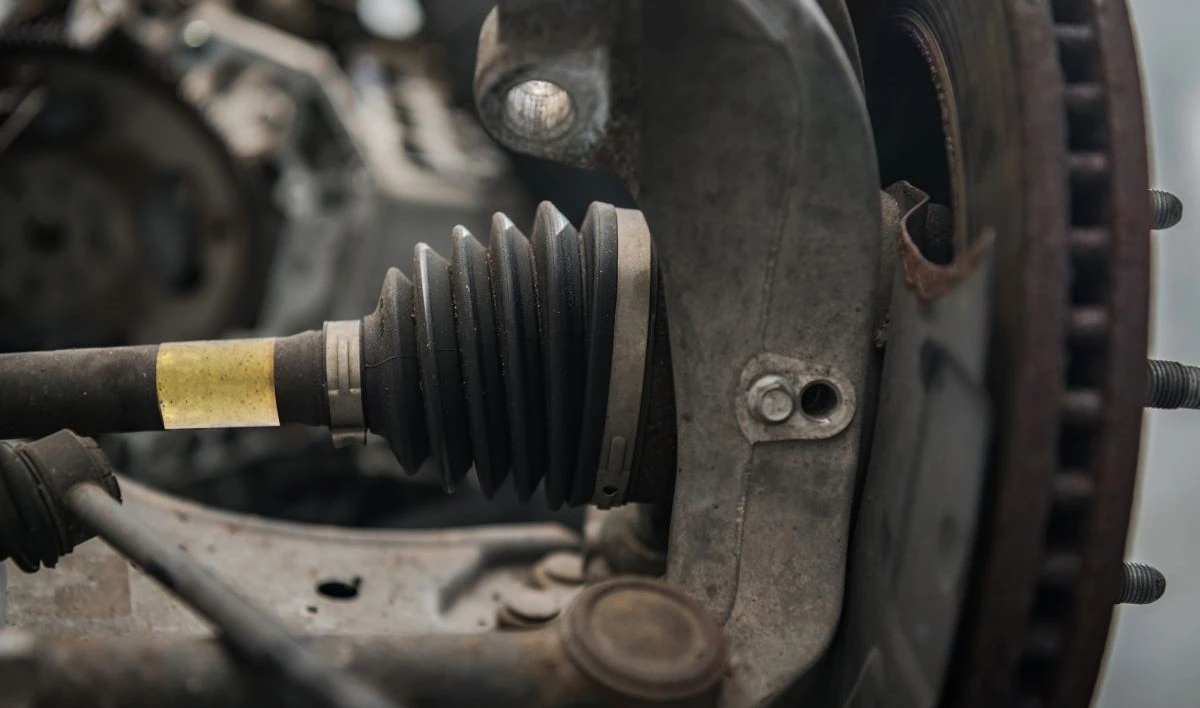
Check your inner wheel rims. CV joints are packed with special grease and sealed by a rubber boot. If that boot tears, centrifugal force flings the grease out as the axle spins. No grease means the joints will fail rapidly.
3. Excessive Vibration While Driving
An unbalanced axle shaft causes the vehicle to shiver, especially during acceleration. A worn axle loses its ability to rotate smoothly, sending vibrations through the transmission tunnel and steering wheel.
4. A Rhythmic Knocking or Clunking
A rhythmic "thump" or knocking sound often points to the inner joints. This suggests the axle shaft play has become excessive and it is no longer seating correctly.
5. The "Busted Boot" (The Visual Proof)
If you peek under your vehicle and see a cracked or torn rubber boot on the axle, dirt and moisture are already getting in. Even if it isn't making noise yet, the axle shaft life is limited once the seal is broken.

What Causes CV Axle Shafts to Go Bad?
Most axle components are designed to last, but dirt is their greatest enemy. Here’s what usually causes the problem:
-
Torn Rubber Boots: Once the boot cracks, grease leaks out and dirt gets in, grinding down the bearings.
-
Normal Wear and Tear: Over time, high-mileage leads to metal fatigue in the axle and joints.
-
Extreme Driving: Rough terrain puts extra stress on the axle shaft.


DIY Maintenance: How to Prevent Failure and Extend Axle Life
You don't always need a full CV axle replacement if you stay ahead of the problem. Here is how to maintain your axle shaft and joints yourself:
Clean and Inspect the Boots Regularly
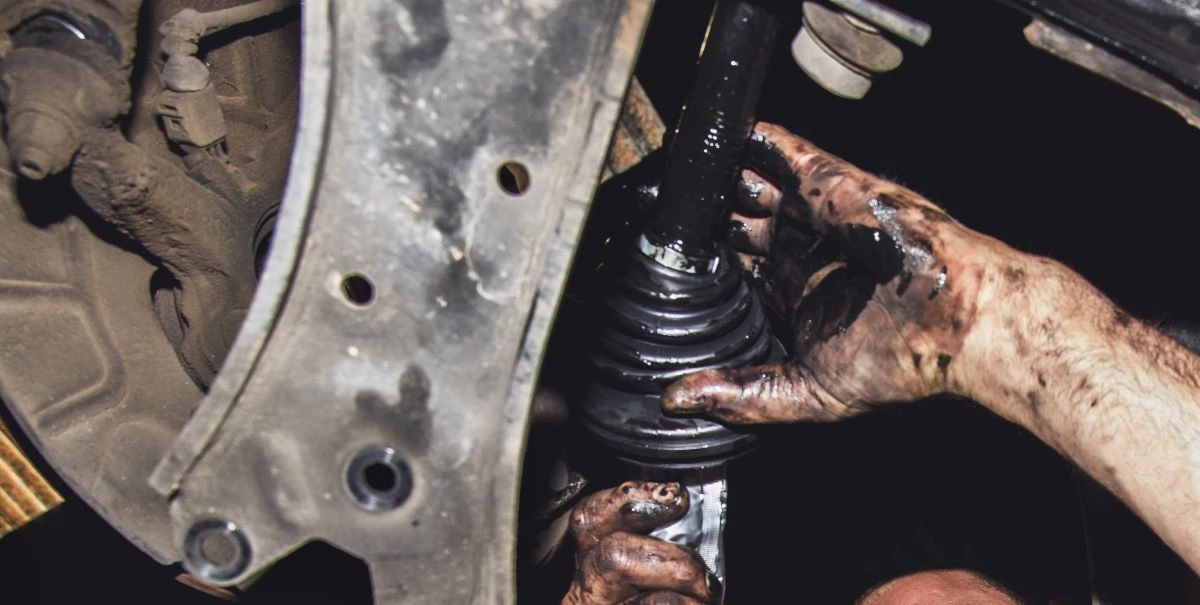
During every oil change, wipe down the CV joints' rubber boots to remove accumulated dirt and road salt. Inspect for small cracks or "weeping" grease. Catching a small leak early allows you to perform a boot-only replacement, saving the expensive axle.
Check the Wheel Bearings
Worn bearings can cause excessive play that puts unnecessary stress on the cv joints. When you have the wheel off, check for any lateral movement in the hub to ensure the axle is spinning on a true axis.

DIY Replacement Tips: New vs. Reman
If the clicking has already started, the axle must be replaced. For a DIY replacement, you can choose between a brand-new unit or a reman (remanufactured) axle. A reman axle is often an OEM core that has been cleaned, fitted with new bearings and boots, and tested for constant velocity standards—offering a cost-effective fix.
Proper Torque is Key
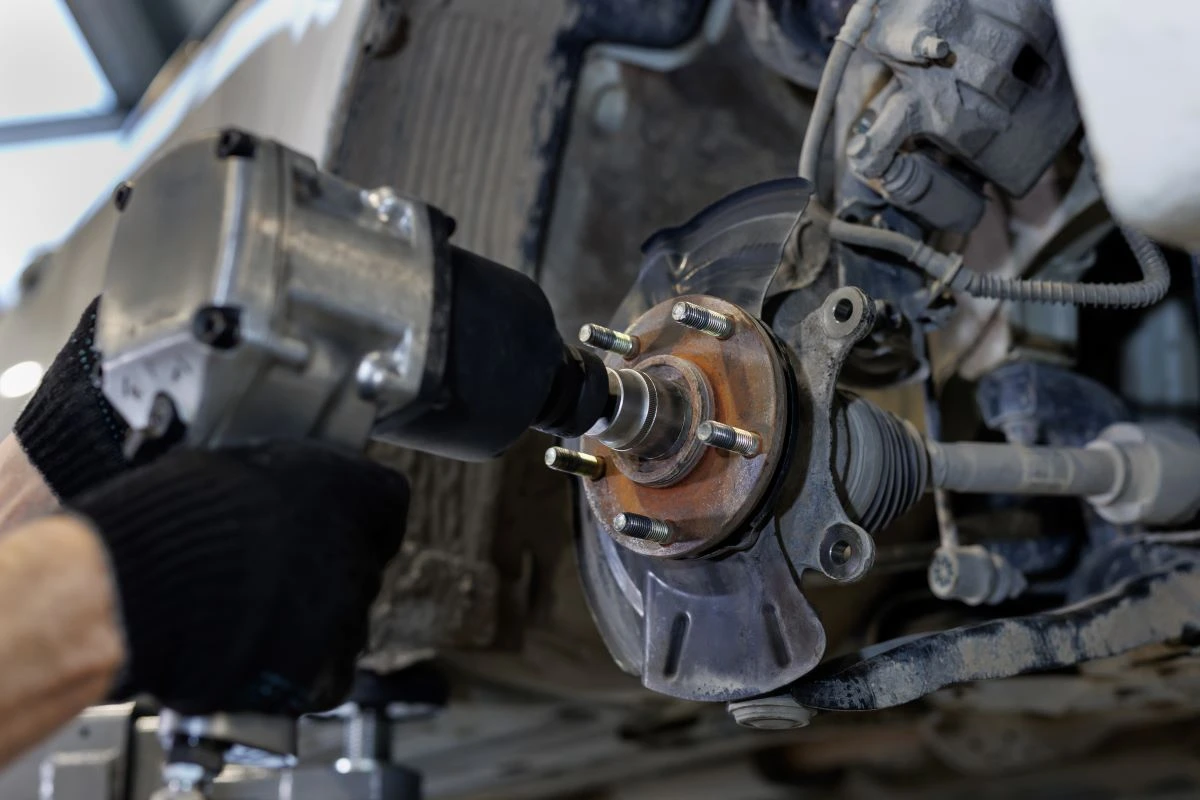
When installing a new axle shaft, always use a torque wrench on the axle nut. An over-tightened or under-tightened nut can damage the transmission seals or the wheel hub, leading to more time spent on repairs later.
Is your car making "the click" today? Don't wait. By performing regular visual checks and keeping dirt away from your joints, you can ensure your vehicle stays safe on every drive.


