Your Complete Guide to Brake Pad: Maintenance, Safety, and Replacement

From understanding how friction material works to knowing exactly when that high-pitched squeal means it's time for a change, our comprehensive guide breaks down everything you need to know about brake pads.
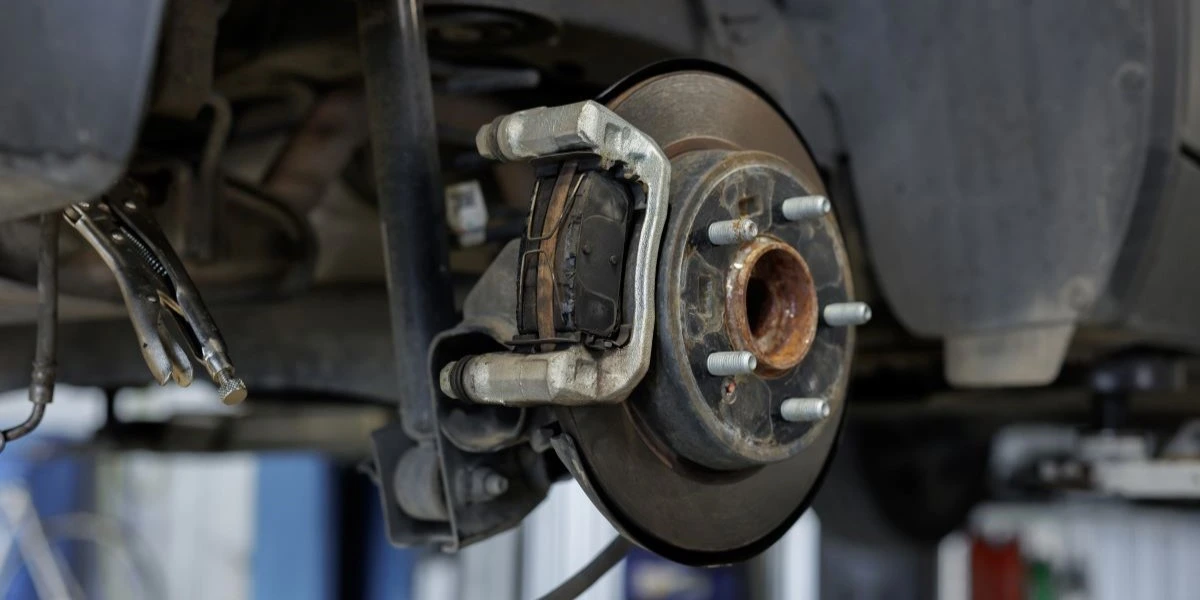
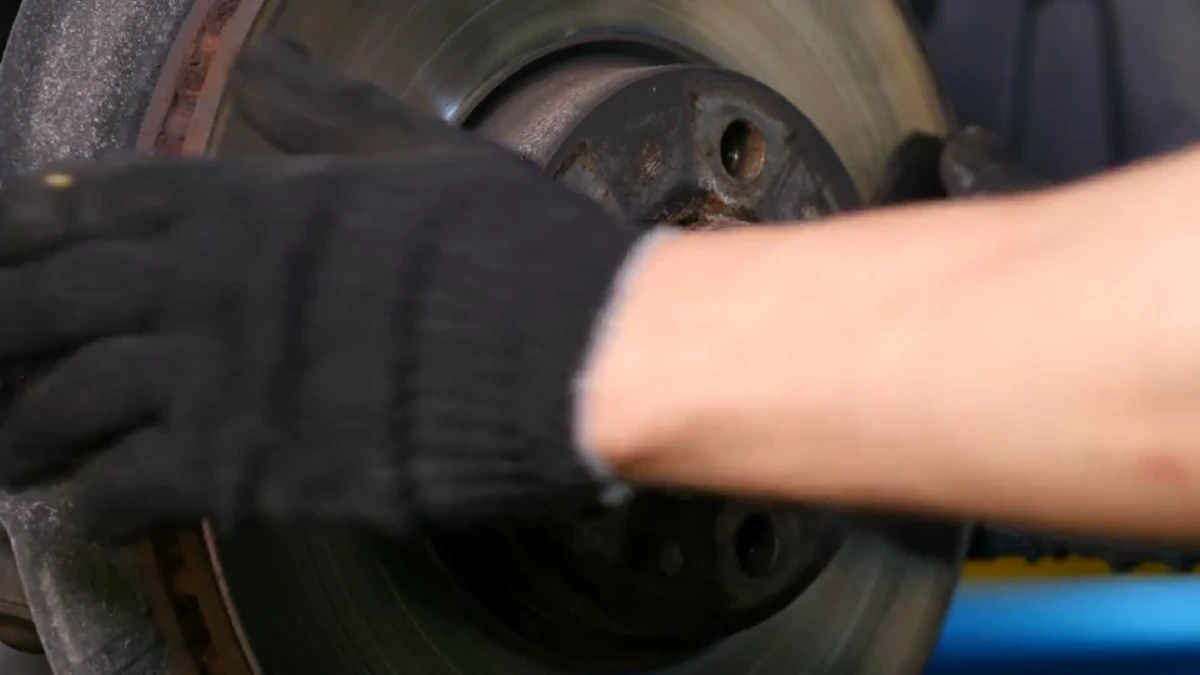
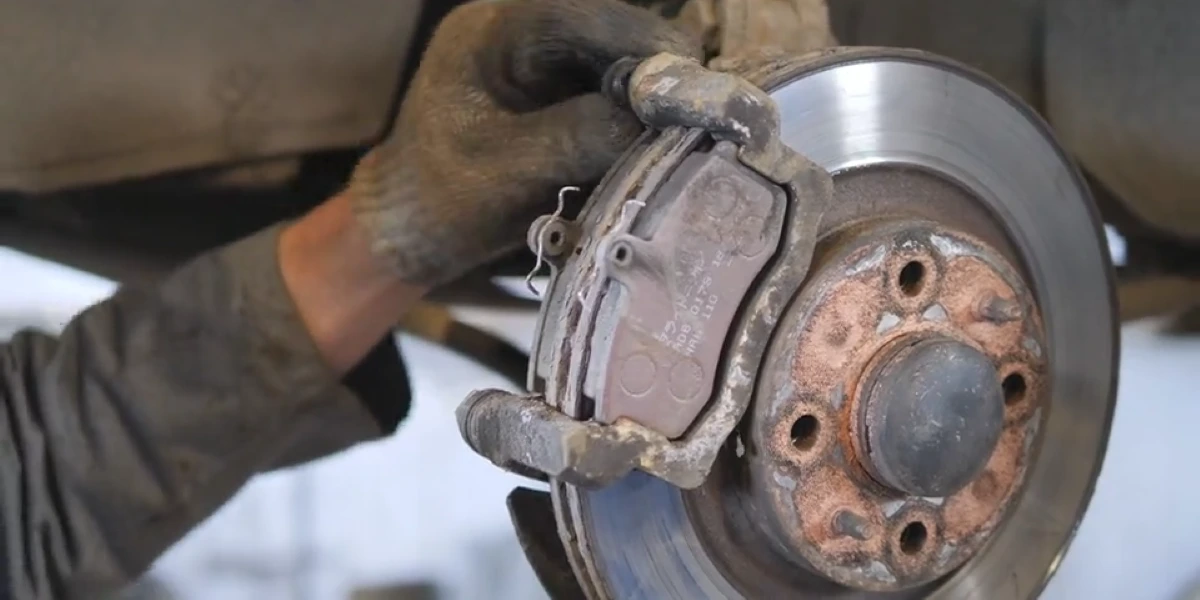
The brake system is arguably the most critical security feature of your vehicle. When you press the brake pedal, you expect a smooth, immediate stop with minimal stopping distances. Behind that simple action is a complex mechanical process centered around one vital product: the brake pad.
Understanding how your car's brake pads work and knowing when to replace brake pads can save you money on costly repairs and, more importantly, protect every driver and passenger on the road. This page covers everything American drivers need to know to ensure their brakes stay in top condition.

What is a Brake Pad?
At its simplest, a brake pad is a steel backing plate with friction material bound to the surface that faces the brake disc or rotor. In a modern disc brake system, pads are the specific parts that apply pressure and friction to the rotors, which are the flat, circular discs that rotate with your wheels.
Typically, pads are made from four main materials: metallic, organic, ceramic, and composite. Depending on your vehicle and driving style, you might choose:
-
Organic: Created from non-metallic materials like rubber and glass, these are quiet and inexpensive but wear out faster and are less effective under high temperatures.
-
Semi-Metallic/Metallic: Favored for their durability and performance in high-temperature conditions. These parts provide the robust stopping power required for heavier vehicles like SUVs or trucks, though they can be noisier.
-
Ceramic: Premium results for those waiting for a quiet, low-dust experience. These produce less noise and dust compared to older formulations, making them a popular choice for modern vehicles.

How Do Brake Pads Work?
Stopping a heavy car at highway speeds is an impressive feat of physics. It is essentially the conversion of kinetic energy into thermal energy.
-
Activation: As you press the pedal, the master cylinder sends pressurized brake fluid through the brake lines to the calipers at each of the wheels.
-
Clamping: Hydraulic pressure forces the caliper to squeeze the car's brake pads.
-
Friction: The pads grip the spinning rotor, causing the vehicle to slow down.
-
Stopping: Friction helps you stop safely. Heat is dissipated to ensure the life of the parts isn't cut short by overheating.
How Many Brake Pads Does a Car Have?
For the vast majority of passenger vehicles, there are two pads per wheel, totaling eight pads per car.
-
Disc Brakes: Most modern brakes feature a rotor and two pads on all four wheels.
-
Drum Brakes: Some older models use shoes in the rear, but the front wheels—which handle about 70% of the braking force—always rely on a heavy-duty brake pad set.

How to Check Your Brake Pads
You don't need a professional security service to inspect your brakes. Give your vehicle some attention by following these steps:
1. Visual Inspection
Look through the spokes of the wheels to find the shiny rotor. The brake pad is the material pressed against it.
-
The Rule of Thumb: Brake pads should be replaced when they reach their service limit, typically around 0.1 inch (or 3mm) in thickness.
2. Listen for Brake Noise
Squealing or grinding noises when applying the brakes are common indicators that pads are worn. Most parts have a wear indicator that creates a high-pitched noise—this is a sign your worn brake pads are screaming for a replacement.
3. Feeling the Pedal
If you notice a pulsing sensation or a deeper press on the pedal requiring more force to stop, it indicates your car's brake pads are nearing the end of their life or the rotor is warped.

How Often Do You Need to Replace Brake Pads?
There is no "magic number" for the life of your brakes, but the typical range is 30,000 to 70,000 miles. You should check them every few months to see the results of your driving habits.
Factors affecting replacement frequency:
-
Driving Environment: Low-dust ceramic pads are advantageous for stop-and-go city traffic, which wears parts faster than highway driving.
-
Terrain & Load: Semi-metallic pads are prioritized for mountainous terrain or towing due to heat resistance.
-
Climate: Ceramic pads can lose effectiveness in extreme cold, making semi-metallic a safer choice for winter climates.


How Much Do Brake Pads Cost?
|
Pad Type |
Estimated Parts Cost (Per Axle) |
Best For |
|
Organic |
$30 – $50 |
Smaller sedans, quiet city driving |
|
Semi-Metallic |
$50 – $80 |
Heavy-duty vehicles, towing, mountains |
|
Ceramic |
$80 – $120+ |
Daily commutes, clean wheels, quiet ride |
Labor and Total Costs: A professional shop in the US usually charges $150 – $300 per axle. However, a driver with the right tools can replace them at home. To replace brake pads, you must lift the vehicle, remove the wheels, and access the caliper.
Important: After replacement, it is vital to bleed the brake system to ensure no air remains in the lines, as air significantly reduces performance.
Pro-Tip: Inspect the Rotor
When you replace brake pads, always inspect the rotor. Putting new pads on damaged surfaces leads to longer stopping distances and poor results. For European vehicles, experts often use specific brands to maintain high-quality OE standards. To ensure maximum security, many suggest replacing both at the same time.

Summary
Your car's brake pads are consumable parts designed to protect your vehicle. Pay attention to any new noise or longer stopping distances. Visit our website for more maintenance tips to ensure your car stays safe for many months to come.
Ready to start your DIY repair? Check out our step-by-step guide on how to safely lift your vehicle and replace your own pads today!


