How to Check Brake Pad Wear Without Removing Your Wheels

In this professional guide, we will break down exactly how to check your disc brake pads without removing your wheels, utilizing the exact inspection methods, tricks, and diagnostic cues used by experienced mechanics.

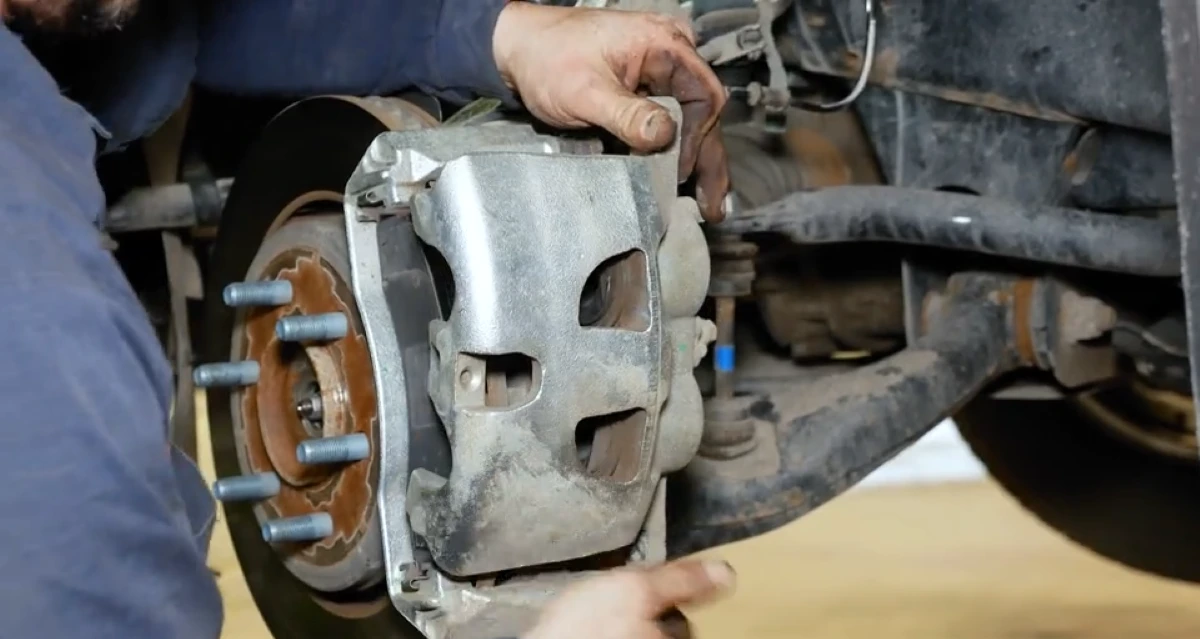

Your vehicle’s brakes are the most critical safety components keeping you secure on the road. Whether you are navigating tight stop-and-go traffic in congested urban areas or cruising down a high-speed highway, your brake pads undergo extreme stress and intense heat. They work within a hydraulic brake system to convert your car’s kinetic energy into heat, creating the necessary friction to slow or stop the vehicle.
Because brake pads wear down over time and require replacement, routine maintenance is a must. While many drivers believe they need to grab a jack, break loose the lug nuts, and pull off the tire just to gauge their remaining pad life, that is not always the case. For vehicles equipped with modern open-spoke alloy wheels, you can easily inspect brake pads with the wheels completely mounted.
Why Should You Check Your Brake Pads Every 5,000 Miles?
As an automotive expert, I recommend having your brakes inspected or performing a self-check every 5,000 miles—conveniently aligning with your regular oil change interval. Proactive monitoring ensures you maximize the life of your parts while preventing collateral damage to other components like the brake discs (commonly referred to as the rotor).
Brake pads consist of a backing plate and friction material. New brake pads are typically 10-12 mm thick. As you press the brake pedal, the caliper squeezes the pads against the spinning disc, eroding the friction material over time. If you neglect brake pad wear, the material will completely disappear. This triggers a hazardous "metal-on-metal" contact, where the steel backing plate grinds straight into the rotor. What could have been a simple, budget-friendly replacement instantly spirals into an expensive repair requiring brand-new brake discs, hardware, and hardware installation.

How Can I Inspect My Brake Pads Through the Wheels?
If your vehicle features open alloy wheels, you can bypass the heavy lifting and get a closer look at your disc brakes right now. Disc brake pads are easier to inspect and replace than drum brakes, which are completely enclosed in a heavy metal drum. Follow these steps for an accurate, wheels-on visual inspection:
Step 1: Position for Maximum Visibility
Park your vehicle on a flat, level surface and engage the parking brake. Before turning off the engine, turn your steering wheel completely to one side (all the way to the right if checking the passenger side, or all the way to the left for the driver's side). This angles the brake caliper outward, giving you a clear line of sight through the wheel spokes.
Step 2: Spot the Caliper and Pad Profile
Look through the spokes of the wheel to locate the large, metal caliper assembly clamped onto the shiny rotor. Look inside the caliper housing to see the side profile of the pad resting against the disc face.
Step 3: Check the Friction Material Thickness
Identify the two distinct layers: the steel backing plate and the wearable friction material. Estimate the remaining thickness:
-
Healthy: The material is significantly thicker than the metal backing plate (above 6mm).
-
Thin: The material is roughly equal to or thinner than the backing plate (4-5mm). It's time to source a replacement set.
-
Critical: The thickness is less than 3 mm (roughly 1/4 inch thick). You must replace brake pads immediately to maintain optimal stopping power.

What is the standard thickness for brake pads?
In the automotive service industry, brake pad thickness is measured strictly in millimeters. The standard lifecycle thresholds are classified as follows:
|
Pad Thickness |
Condition Status |
Required Action |
|
10mm to 12mm |
Brand New / Excellent |
No action required. |
|
5mm to 6mm |
Moderate Wear |
Good condition; inspect again during your next oil change. |
|
4mm |
Caution Zone |
Pads are roughly 70% worn. Begin sourcing high-quality replacement parts. |
|
3mm |
Critical Minimum |
Replace immediately. The mechanical wear indicators are actively grinding or about to engage. |
|
2mm or less |
Hazardous |
Severe safety risk. Complete brake failure or rotor damage is imminent. |


The Best Replacement Solution After Checking Your Brake Pads
When you inspect brake pads through your wheel spokes, you might realize that keeping track of manual measurements like friction material thickness can be time-consuming. If your vehicle is equipped with the necessary technology, utilizing an electronic brake pad wear sensor is a much smarter, safer choice for your vehicle's brakes in the long run. These vital safety components remove the guesswork from routine maintenance by continuously monitoring brake pad wear under intense heat and road moisture, automatically triggering a dashboard warning light the exact moment your pads drop to a critical 3mm thickness.
If that light on your dashboard has already notice a thin pad signal, or if your wheels-on inspection shows it is time to replace brake pads, upgrading your hardware is the essential next step to maintain stopping power. For a smooth daily commute in busy urban areas or on the highway, an A-Premium Ceramic Brake Pad Set is highly recommended. Because specialized ceramic materials provide excellent stopping power with minimal dust, these disc brake pads are known for quiet, squealing-free operation and a softer stop without coating your alloy wheels in stubborn black brake dust.
However, if you noticed a physical vibration in your steering wheel or a pulsating sensation in your brake pedal before checking your car, your brake discs are likely warped or suffering from uneven wear. In this scenario, putting fresh pads on an old, grooved rotor face will ruin your new friction material and cause premature failure. Opting for a comprehensive A-Premium Brake Rotor and Pad Kit ensures your new quiet ceramic pads and perfectly matched brakes function flawlessly together within your hydraulic brake system, permanently curing pedal pulsation, eliminating grinding noise, and restoring factory-smooth safety.

Common Brake Inspection Questions
To help you determine the exact state of your vehicle's brakes, let's look at the questions drivers ask most frequently when monitoring their stopping system.
How do I know if my brake pads are worn down?
Your car will actively broadcast signs that the pads have reached the end of their useful life through distinct auditory and physical feedback:
-
Screeching and Squealing Noises: Have you noticed persistent, high-pitched squealing or screeching noises when you stop? Most premium pads feature built-in mechanical wear indicators or slots. These small metal tabs are designed to touch the rotor face when the pad is critically thin, emitting a sharp sound to signal the driver that service is due.
-
Grinding Metal Noises: If the squealing stops and turns into a harsh, metallic grinding sound, you have completely worn through the friction layer. The backing plate is now scoring the disc, which destroys stopping performance and creates excessive brake dust.
-
Brake Pedal Vibration: Experiencing a pulsing vibration or shaking in your brake pedal or steering wheel when slowing down from highway speeds? This suggests worn brake pads or warped brake discs caused by intense heat and uneven wear.
-
Longer Stopping Distances: If your car takes noticeably longer to come to a complete stop, your pads have likely suffered from thermal glazing, losing their necessary grip.
Can you see the inner brake pads without removing the wheels?
This is the ultimate blind spot of a quick visual check. Every wheel equipped with disc brakes features an outer pad (which you can see through the wheel spokes) and an inner pad (hidden on the backside of the rotor).
Under normal conditions, they should wear down symmetrically. However, if the caliper slider pins lack proper lubrication or accumulate rust from road moisture, the caliper can freeze in place. This causes uneven wear, where the piston pushes heavily on one side, wearing the inner pad down to dangerous levels while the outer pad still appears to have plenty of life left.
The Pro-Tip Solution: To view the inner pad without using a jack, slide your smartphone behind the front tire. Turn on the flashlight and video recording mode, and wave the camera along the backside of the caliper assembly. Reviewing the footage later gives you a clear view of the hidden inner pad's remaining thickness.


