Car won't start?Check 7 Bad Starter Symptoms

Gain a thorough understanding of the various warning signs that your vehicle's starter may be on the verge of failure, so you can address issues early and avoid unexpected breakdowns.
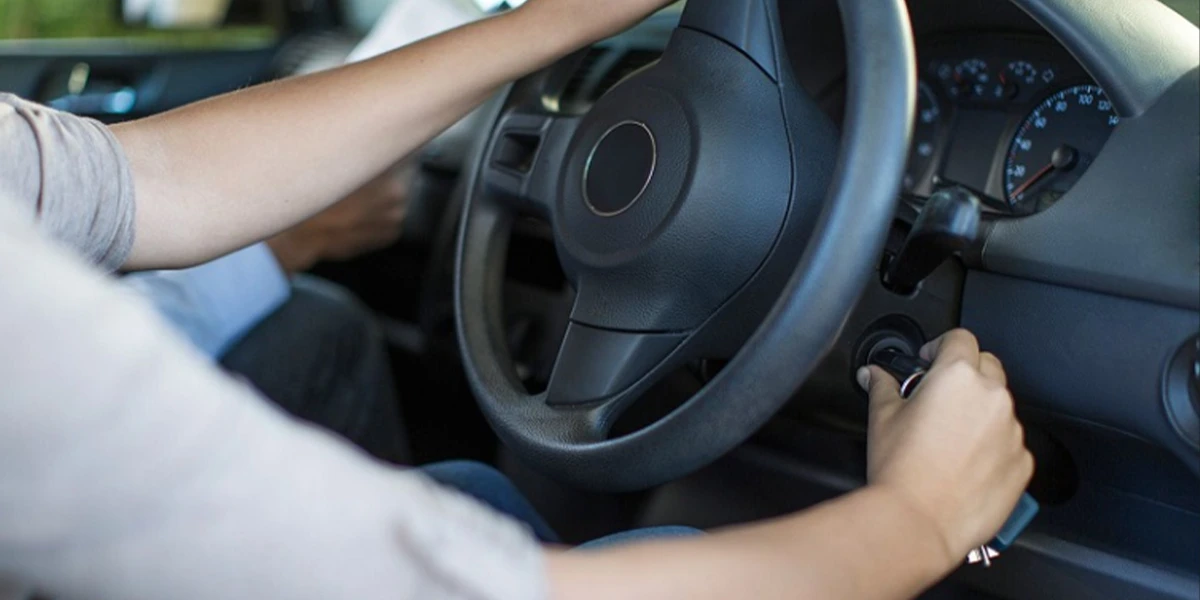
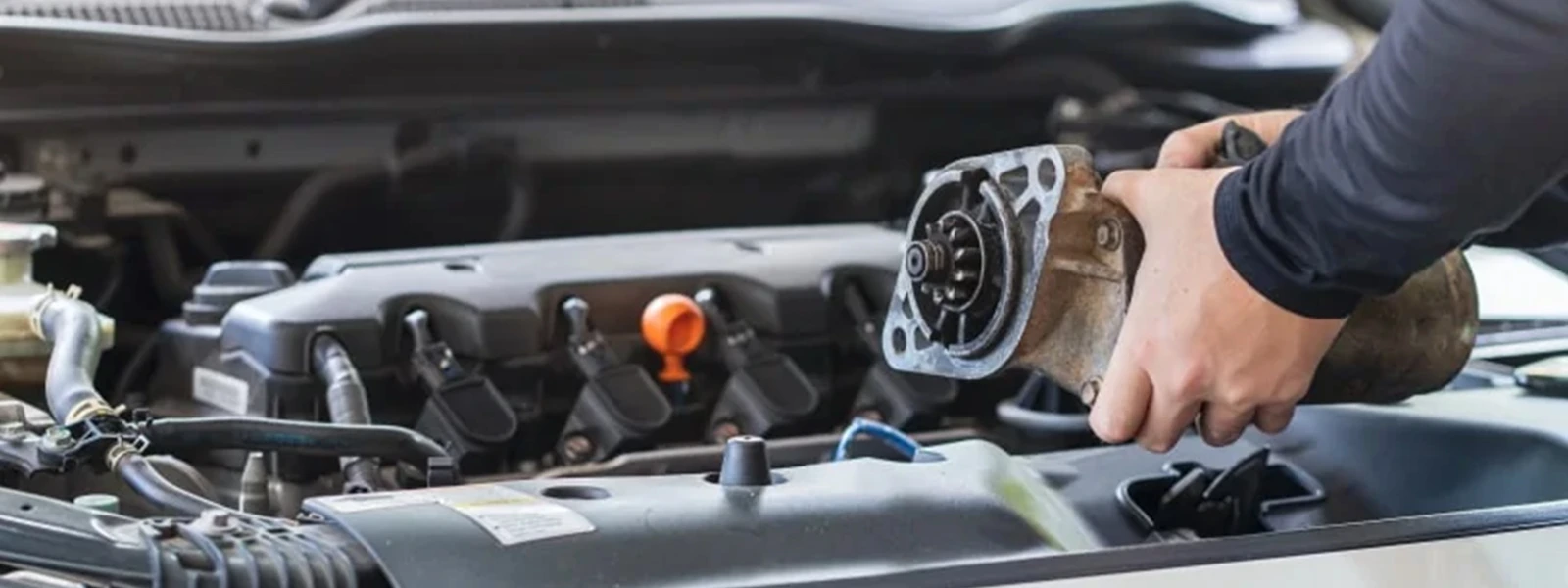
An engine starter serves as the ignition catalyst for internal combustion engines. It acts as the muscle behind the initial engine crank, responsible for turning the engine over during the starting process. Without a functioning starter relay and motor, your ability to start the vehicle will be compromised, potentially leading to the need for a tow.
7 symptoms of a bad starter
- Clicking Noise
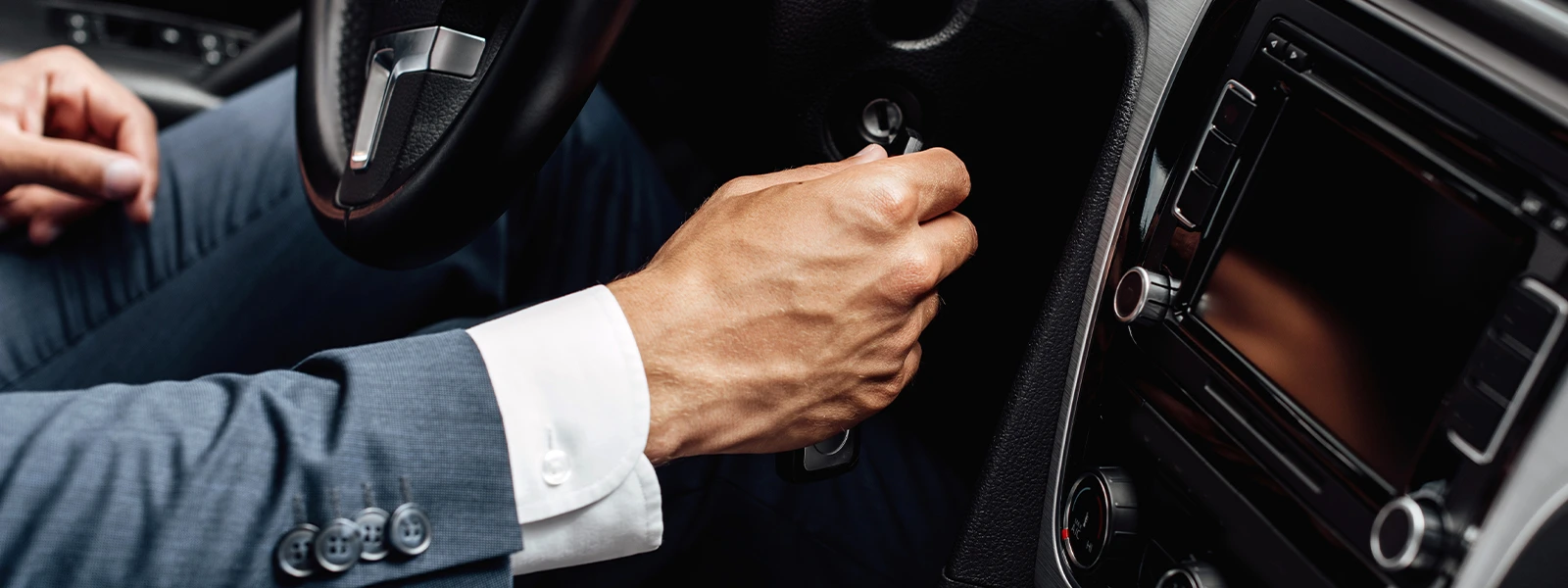
When you turn the ignition key or press the start button, you hear a rapid clicking sound, often described as a repetitive clicking noise. This may indicate that the starter solenoid is engaging but not turning the starter motor.
- No Cranking or Turning Over
The engine does not crank or turn over at all when you attempt to start the car. You may hear no noise or a faint whirring sound, but the engine doesn't engage.
- Slow Cranking
The engine cranks very slowly when you try to start the car. This can be a sign of a weak electrical connection or a failing starter motor.
- Freewheeling
When you turn the key, you may hear a high-pitched spinning noise, which suggests the starter gear is not engaging with the flywheel or flexplate correctly.
- Smoke or Burning Smell
In some cases, a failing starter can emit smoke or produce a burning odor due to electrical overload or overheating.
- Dashboard Lights Dimming
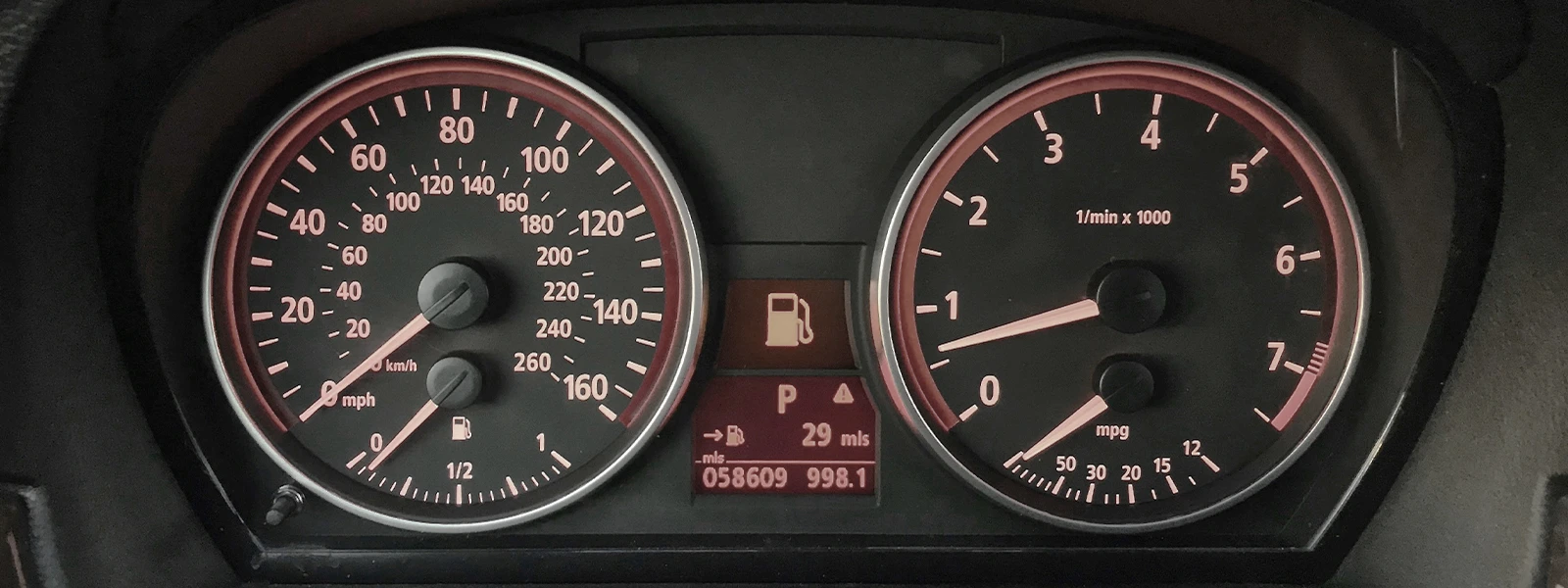
When you attempt to start the car, you may notice that the dashboard lights dim significantly. This can indicate excessive power drawn by the starter motor.
- Repeated Failed Starts
The car may require multiple attempts to start, and you might need to turn the key on and off several times before the engine finally cranks.
Early detection of starter issues can prevent unexpected breakdowns, reduce repair costs, and ensure that your car starts consistently. Ignoring these signs, however, can lead to inconvenient and potentially hazardous situations on the road. Also remember, addressing starter problems promptly can help you avoid the need for costly towing services and prevent potential damage to other engine components.
Why engine starters fail?
Engine starter problems can be caused by various factors and issues. For example:
- Battery Issues: A weak or dead battery is one of the most common causes of starter problems. If the battery doesn't provide sufficient electrical power, the starter may not have enough energy to turn the engine over.
- Faulty Solenoid: The starter solenoid is responsible for engaging the starter motor with the flywheel or flexplate. If the solenoid fails, it can prevent the starter motor from engaging.
- Worn-out Starter Motor: Over time, the starter motor itself can wear out due to continuous use. Brushes, bearings, and other internal components may deteriorate, leading to reduced starter performance.
- Ignition Switch Issues: A malfunctioning ignition switch can prevent the electrical current from reaching the starter motor, causing a no-start condition.
- Starter Relay Problems: The starter relay is responsible for sending electrical current to the starter motor. If the relay is faulty, it can disrupt the starter's operation.
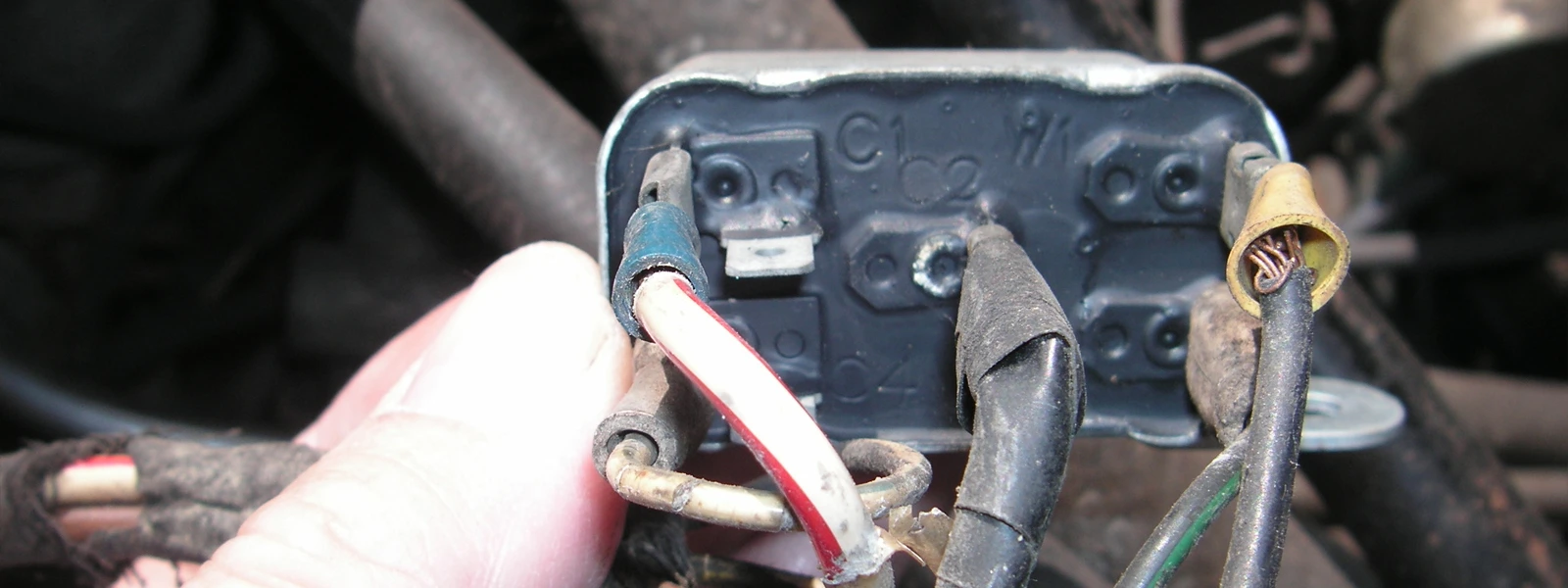
- Corroded or Loose Electrical Connections: Corrosion or loose connections at the battery terminals, starter motor, or solenoid can interfere with the flow of electricity, affecting starter performance.
- Damaged Flywheel or Flexplate: A damaged flywheel (in manual transmissions) or flexplate (in automatic transmissions) can prevent the starter motor gear from engaging properly.
- Excessive Heat: High temperatures in the engine compartment can lead to heat soak, causing the starter to overheat and fail.
- Excessive Cranking: Repeated attempts to start the engine in quick succession can overheat the starter motor and cause it to fail prematurely.
- Manufacturing Defects: Occasionally, starter motors may have manufacturing defects or quality issues that lead to early failure.
- Environmental Factors: Harsh environmental conditions, such as extreme cold or moisture, can impact the starter's reliability.
- Age and Wear: Like all mechanical components, starters have a finite lifespan, and wear and tear over time can lead to problems.
How to start a car with a bad starter?
Starting a car with a bad starter is not a recommended long-term solution, but if you find yourself in a situation where your starter is malfunctioning, and you need to start your car temporarily, try these methods:
- Tap the Starter: Sometimes, lightly tapping the starter motor with a tool like a wrench or a hammer can free up a stuck starter solenoid or gear. Be cautious not to strike it too hard to avoid causing further damage.
- Jump Start: If the battery is not the issue and you suspect a starter problem, you can try jump-starting the car. Sometimes, the extra electrical current from another vehicle's battery can provide enough power to turn the engine over.
- Push or Roll Start (Manual Transmission): If your car has a manual transmission, you can try push-starting it. Find a flat, open area, turn the ignition to the "on" position, put the car in gear (usually second gear), and have someone push the car while you release the clutch. Once the car gains some speed and the engine turns over, engage the clutch to start the engine.
- Jump Box or Portable Starter: Using a jump box or a portable starter device can provide the necessary electrical power to start the car without relying on the vehicle's starter motor.
- Bypass the Starter: This is a last resort and not recommended unless you have experience with automotive electrical systems. You can attempt to bypass the starter solenoid by directly connecting the battery to the starter motor using jumper cables. Be extremely cautious when attempting this, as it involves working with electrical connections and can be dangerous if done incorrectly.
Recognizing the signs of a bad starter is essential for anyone who relies on their vehicle for daily transportation. By paying attention to the warning signs, you can take proactive steps to address starter problems early on, saving you time, money, and the frustration of unexpected car troubles. Regular maintenance and prompt attention to these symptoms are the keys to ensuring your vehicle starts reliably and keeps you moving smoothly on your journeys.


