Car Exhaust Manifold: Working Principle and Leak Indicators

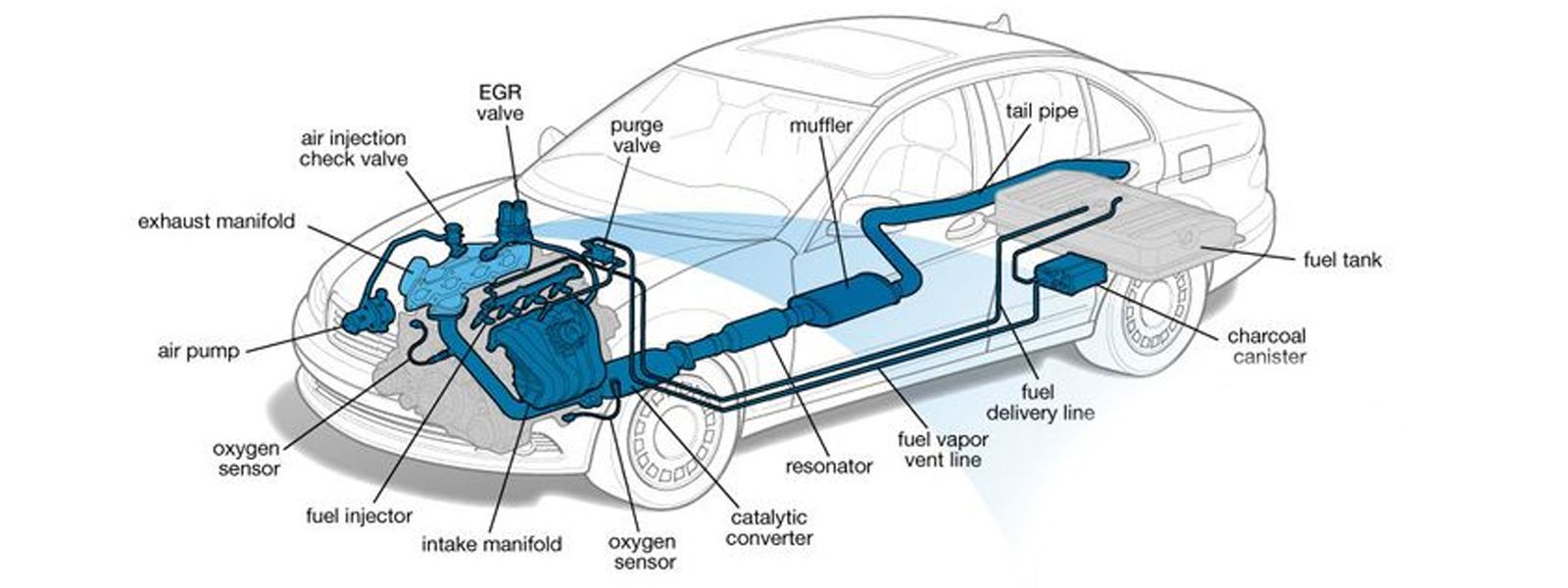
The vehicle's exhaust manifold is an essential part of its emission system, tasked with guiding the engine's exhaust fumes through the exhaust pipe and out of the car.


At the heart of every automobile's powertrain lies a critical component known as the exhaust manifold. This intricate network of channels and pathways is intricately linked to the engine, serving as the primary conduit for the expulsion of spent combustion gases.
What is a car exhaust manifold
The exhaust manifold, also referred to as the exhaust header, is an integral part of a vehicle's exhaust setup, interfacing directly with the engine. Comprising a series of connected tubes, it gathers the spent gases produced by the engine's combustion process and guides them toward the exhaust pipe. The strategic layout of the manifold is essential in minimizing exhaust back pressure, thereby enhancing the engine's efficiency in drawing in fresh air for combustion. This not only boosts the vehicle's performance but also optimizes fuel consumption.
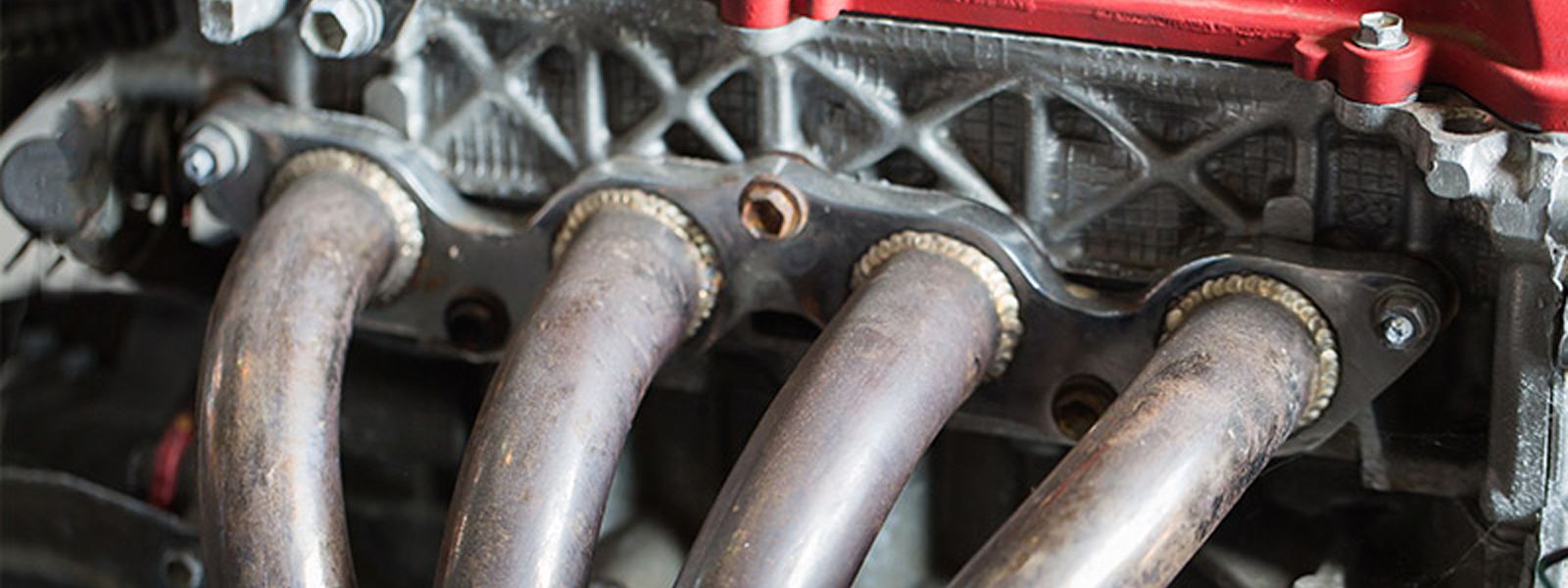
Exhaust and intake manifold
The car intake and exhaust manifolds are essential yet different parts of a car's engine system. The intake manifold's job is to guide the air-fuel blend into the cylinders for combustion, aiming for optimal flow and even distribution across all cylinders. In contrast, the exhaust manifold's role is to efficiently remove the combustion byproducts, manage the outflow to reduce back pressure, and support engine performance and emissions control. While both manifolds are subject to the engine's thermal stresses, their designs are optimized for their specific functions. The intake manifold often features a more complex internal structure to manage the air-fuel mixture, while the exhaust manifold is typically more straightforward, focusing on the efficient removal of gases.
Two types of exhaust manifolds
Various materials are utilized in the construction of auto exhaust manifolds, each offering distinct advantages for optimizing the car's performance. Here is an overview of the typical materials used in manufacturing car manifolds.
Cast Iron Manifold
Cast iron exhaust manifolds are standard in many factory-equipped vehicles. Made from molded iron, these manifolds possess a sturdy and substantial construction. Here are the key benefits of cast iron exhaust manifolds:
- Durability: Cast iron is highly resistant to heat and wear, making these manifolds long-lasting under normal driving conditions.
- Cost-Effectiveness: They are cheaper to produce, which makes them a common choice for manufacturers of mass-produced vehicles.
- Noise Reduction: The dense material naturally dampens sound, resulting in quieter operation compared to other materials.
Stainless Steel Manifold
Manifolds crafted from stainless steel are frequently chosen for performance-oriented vehicles and aftermarket installations because of their enhanced characteristics. Here are the benefits of utilizing stainless steel in manifold fabrication:
- Resilience to Corrosion: They are naturally resistant to rust and corrosion, and well-suited for diverse environmental conditions, especially those that are damp or salty.
- Reduced Weight: They are more lightweight compared to cast iron, which can boost the vehicle's performance and handling.
- Heat Resistance: These manifolds can endure high temperatures, promoting better exhaust flow and greater engine efficiency.
The sound of a leaking exhaust manifold
Listening to peculiar sounds is an effective method to detect a potential leak in the exhaust manifold. A leak from the auto exhaust manifold typically produces a hissing or puffing noise that intensifies as you approach the catalytic converter or the engine itself. To test this, start the engine and ask someone to accelerate while you listen for changes or increases in the sound near the exhaust pipes.
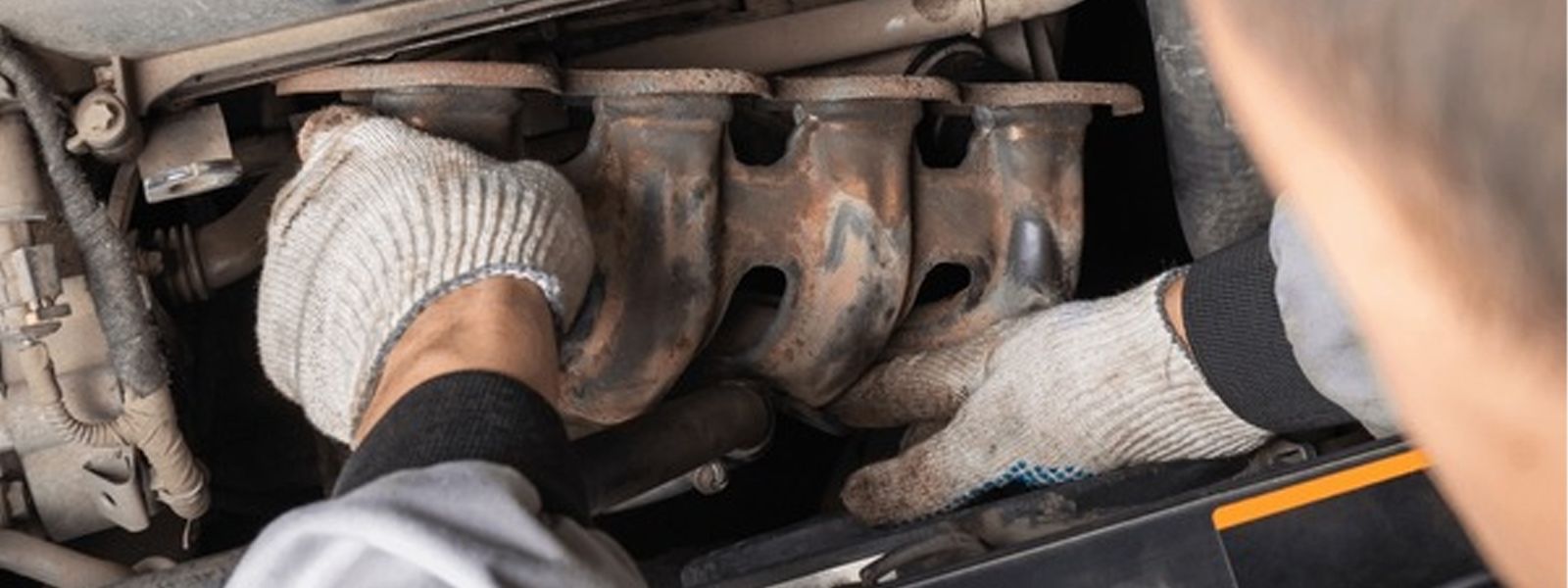
Beyond listening for leaks, you can identify an exhaust manifold leak through visual inspection. Inspect the manifold for soot, discoloration, or cracks that may suggest escaping gases. Keep in mind that the exhaust system can be extremely hot, so avoid direct contact with the pipes. Always use safety gloves for protection.

Outcomes of an exhaust manifold leak
A leaking exhaust manifold poses multiple threats to vehicle operation and passenger safety. Here's an overview of the potential impacts:
- Decreased Efficiency: Exhaust manifold leaks can throw off the engine's air-fuel ratio, prompting the ECU to make adjustments that could diminish fuel economy.
- Damage to Vital Parts: Prolonged exposure to escaping exhaust can cause damage to key parts like the catalytic converter and oxygen sensor, impacting emission control and potentially leading to costly repairs.
- Impact on Performance: The leak can result in reduced engine output and slower throttle response, affecting the vehicle's overall performance.
- Health Concerns: Leaks may permit harmful exhaust gases, such as carbon monoxide, to enter the vehicle's interior, posing serious health risks.
A-Premium exhaust manifolds are crafted for durability, utilizing cast iron or stainless steel to provide heat and corrosion resistance. They are designed to ensure efficient gas flow, which reduces back pressure and enhances engine performance. Furthermore, our manifolds are engineered for a precise fit and a secure seal, preventing leaks, and are tailor-made to fit specific vehicle makes and models. Additionally, built to endure the heat of turbocharged and supercharged engines, A-Premium exhaust manifolds help reduce noise and ensure compliance with emission standards. Seeking superior exhaust manifolds? Choose A-Premium for a quality exhaust manifold, backed by a 3-year warranty. From start to finish, our customer service will work with you to find the ideal part to match your needs!


