Brake Replacement Cost - How Much Should You Really Pay?

How much should you pay for brake replacement? We cover the brake system essentials, signs of wear, DIY vs. professional options, average costs, and tips to save money. Get informed to make the best choices for your vehicle's safety!


Every time you hit the brakes, you trust a complex system to keep you safe. But how much do you really know about the costs behind that safety? Brake replacement is often seen as a dreaded expense, but understanding the factors that influence these costs can empower you as a car owner. Join us as we explore the world of brake maintenance and what it takes to keep your ride smooth and safe.
Brake system overview
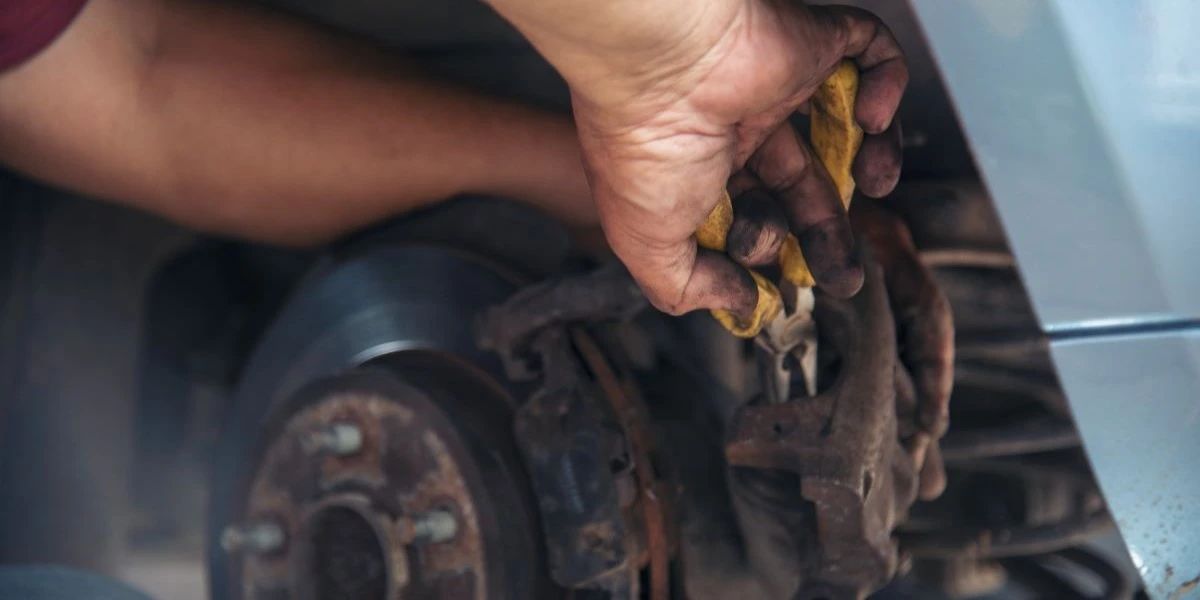
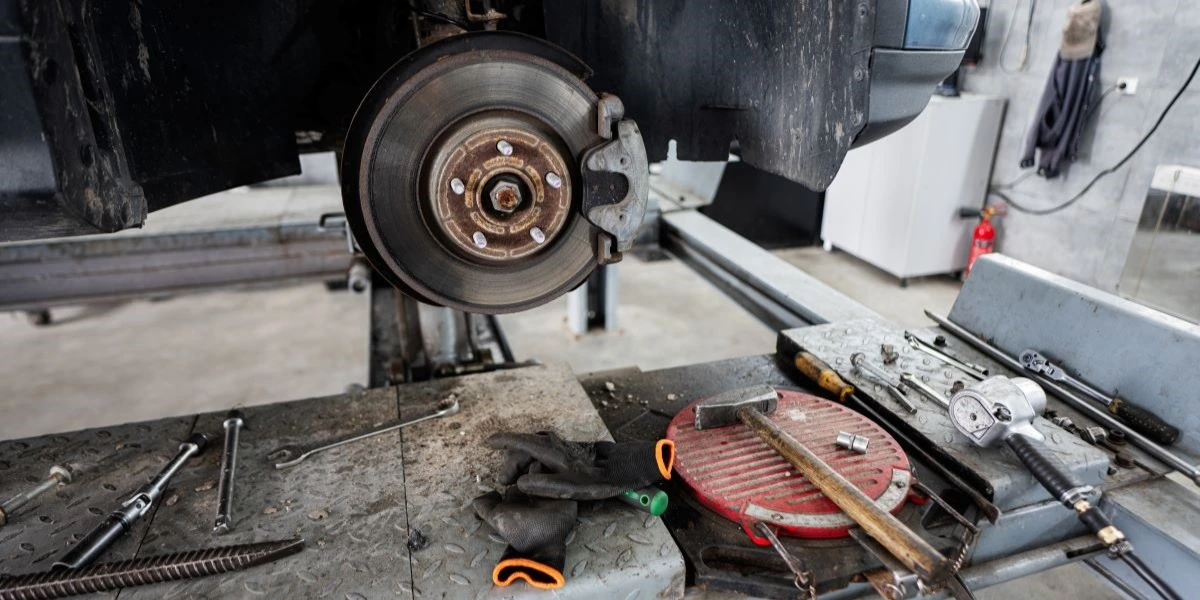
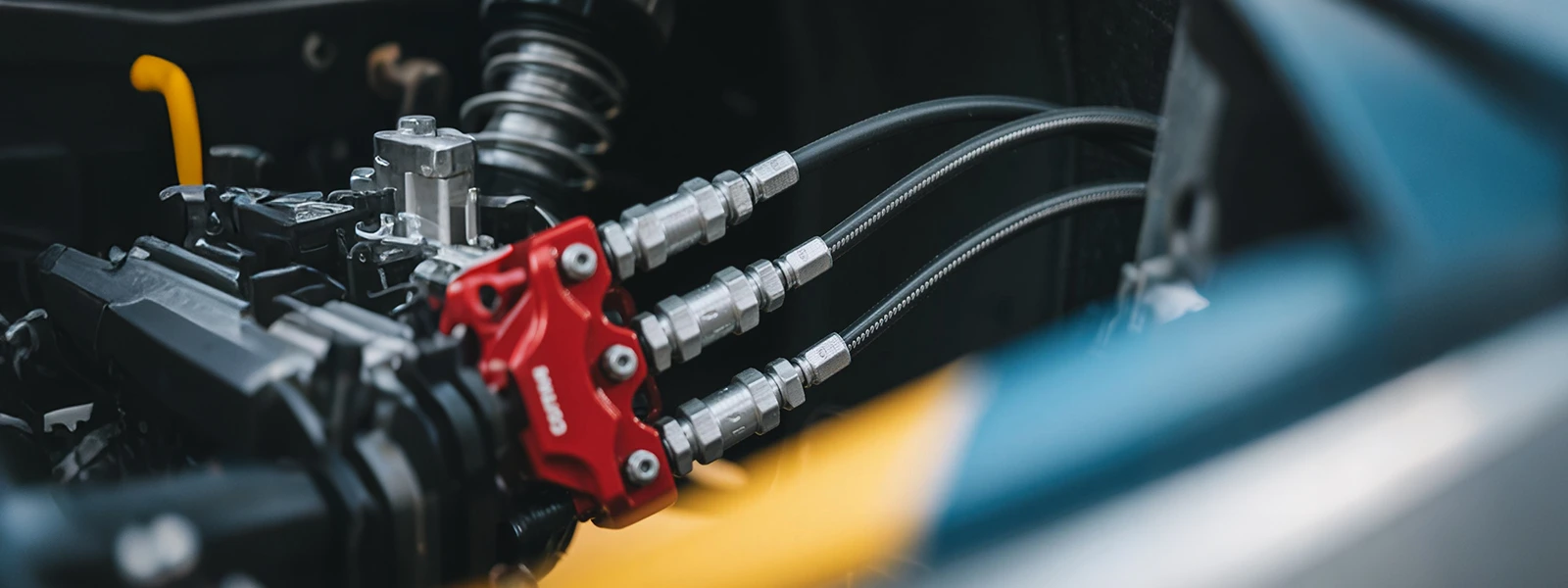
The brake system in a vehicle typically consists of several key components, including brake pads, rotors, calipers, and brake fluid. Disc brakes, which are commonly used in modern vehicles, utilize a rotor and caliper system to create friction and slow down the wheels. Drum brakes, though less common, are still found in many older vehicles and work by pressing brake shoes against a rotating brake drum. Understanding how these components work together can help you appreciate the importance of maintaining your brakes and what may need to be replaced over time.
Signs of brake wear
The signs of brake wear are crucial indicators that every driver should be aware of to ensure safety on the road. Recognizing these signs early can prevent more severe damage to the braking system and help avoid potentially dangerous situations. Here are some common signs of brake wear to watch for:
- Squeaking or squealing noises: A high-pitched noise when braking often indicates that the brake pads are worn and need replacement.
- Grinding sounds: If you hear a grinding noise, it usually means the brake pads are completely worn down, risking damage to the rotors.
- Vibration or pulsation: Feeling vibrations in the brake pedal can indicate warped rotors, which may need resurfacing or replacement.
- Pulling to one side: If the vehicle pulls to one side when braking, it may signal uneven brake wear or issues with the calipers.
- Soft or spongy brake pedal: A brake pedal that feels soft or spongy can indicate air in the brake lines or low brake fluid, affecting braking performance.

- Warning lights: Dashboard warning lights related to the brake system should never be ignored, as they indicate potential issues that need immediate attention.
How much does a brake replacement cost
The cost of brake replacement can vary widely based on several factors, including the type of vehicle, the brake components being replaced, and labor costs.
- Brake pads: The average cost for brake pads alone can range from $100 to $300 per axle, depending on the brand and type (ceramic, semi-metallic, etc.).
- Rotors: Replacing rotors can add another $50 to $150 each, with higher-end options costing more.
- Labor costs: Labor rates can range from $75 to $150 per hour, depending on the shop and location. Most brake jobs take about 1 to 3 hours.
- Total costs: In total, you might expect to pay anywhere from $200 to $800 for a complete brake job, depending on the specifics of your vehicle and the parts used.
DIY vs. professional replacement
When it comes to replacing brakes, drivers typically face a choice between tackling the job themselves (DIY) or hiring a professional mechanic. Each option has distinct cost implications and considerations that can influence your decision.
- DIY brake replacement can be cost-effective, with parts typically costing $100 to $400 total, depending on pads, rotors, and tools. While rewarding, it requires time and some mechanical knowledge, which can be challenging for beginners.
- Professional brake replacement usually costs between $200 to $800, factoring in labor rates of $75 to $150 per hour. The advantages include expertise, specialized tools, and warranties on parts, providing peace of mind and saving you time.

Tips for reducing costs
To save money on brake replacement, start by shopping around for quotes from multiple mechanics. This allows you to compare prices and find a reputable shop that offers competitive rates. Additionally, consider using aftermarket parts instead of OEM ones; they can provide similar performance at a lower cost. Keep an eye out for promotions and coupons, as many auto shops offer discounts that can significantly reduce your expenses.
Regular maintenance is key to extending the life of your brakes, which can prevent costly replacements. If you have the skills, consider DIY replacement to save on labor costs. Finally, think about bundling services by scheduling other maintenance tasks alongside brake replacement, which can help you save on labor fees. By following these tips, you can manage and reduce your brake replacement costs effectively.


