Can You Drive Without a Catalytic Converter

The catalytic converter is a critical component of a vehicle's exhaust system, but what happens if it fails or is removed? This blog explores whether it's possible to keep driving without a catalytic converter, the risks, and the legal implications.

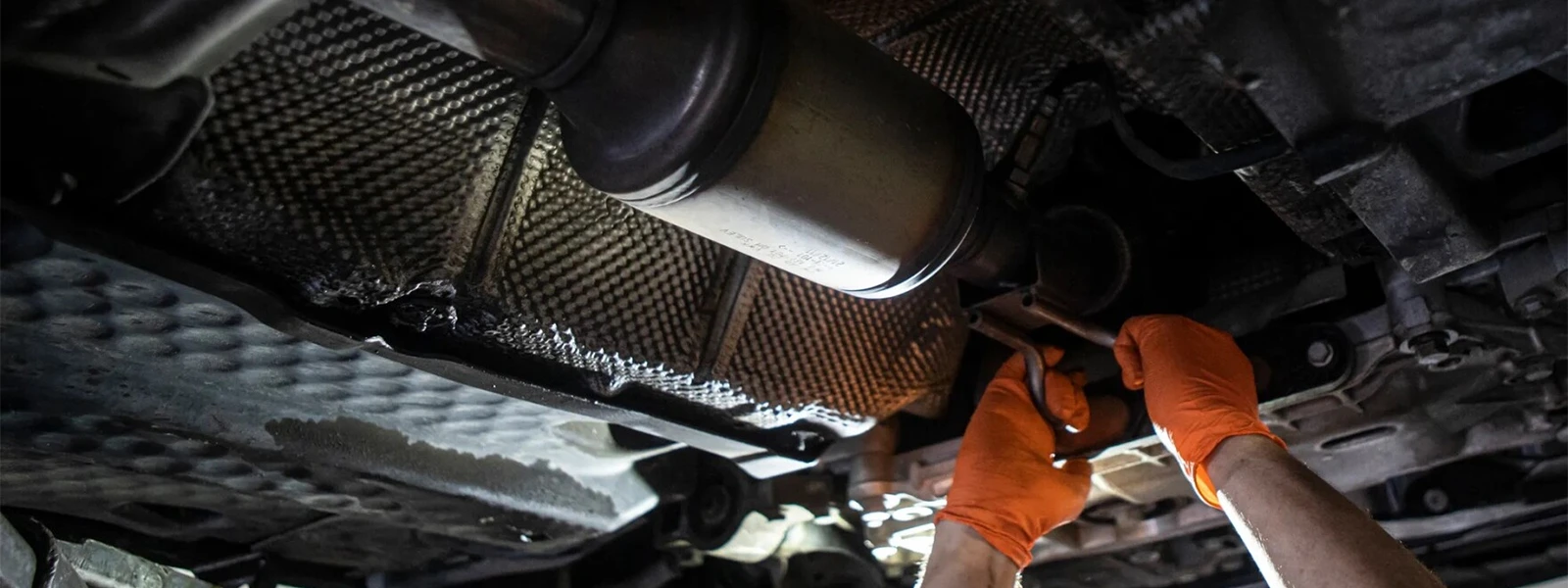
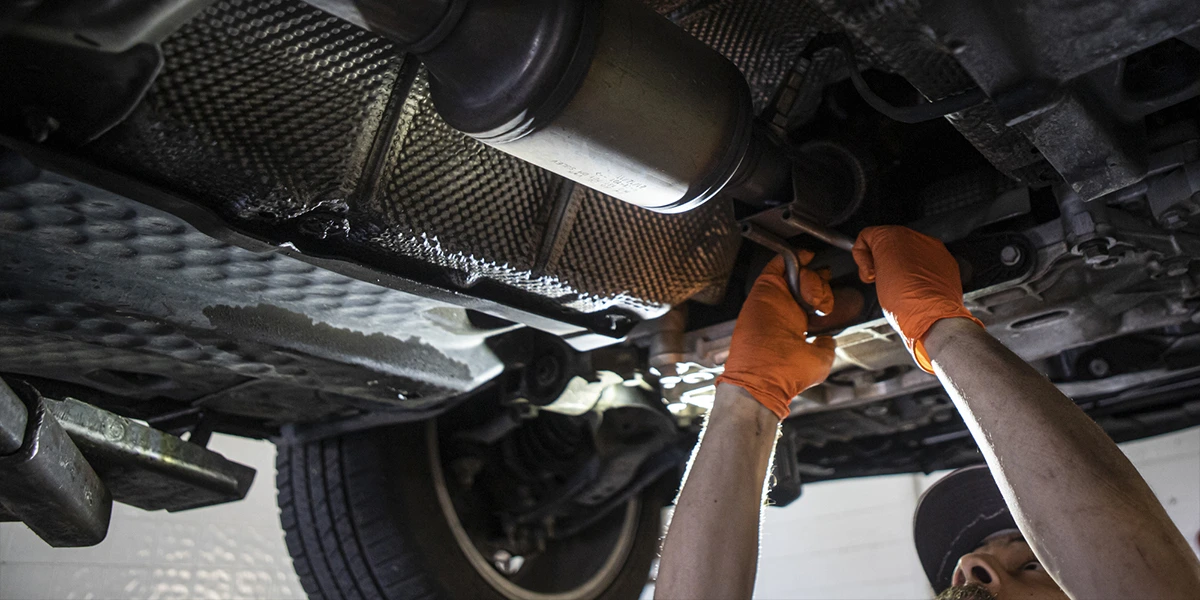
Suggested A-Premium Parts

Catalytic converters stand out among vehicle components for their exceptional durability and robustness. This is largely because it must be durable enough to withstand extremely high operating temperatures. However, despite this toughness, it can still be damaged or fail due to rust, impact, or problems with the engine operation.
So, if you encounter a damaged catalytic converter while driving, can you still continue to drive your car?Is it safe to drive without a catalytic converter?And how long can it continue driving before needing to be replaced?These are issues worthy of our in-depth understanding and discussion.
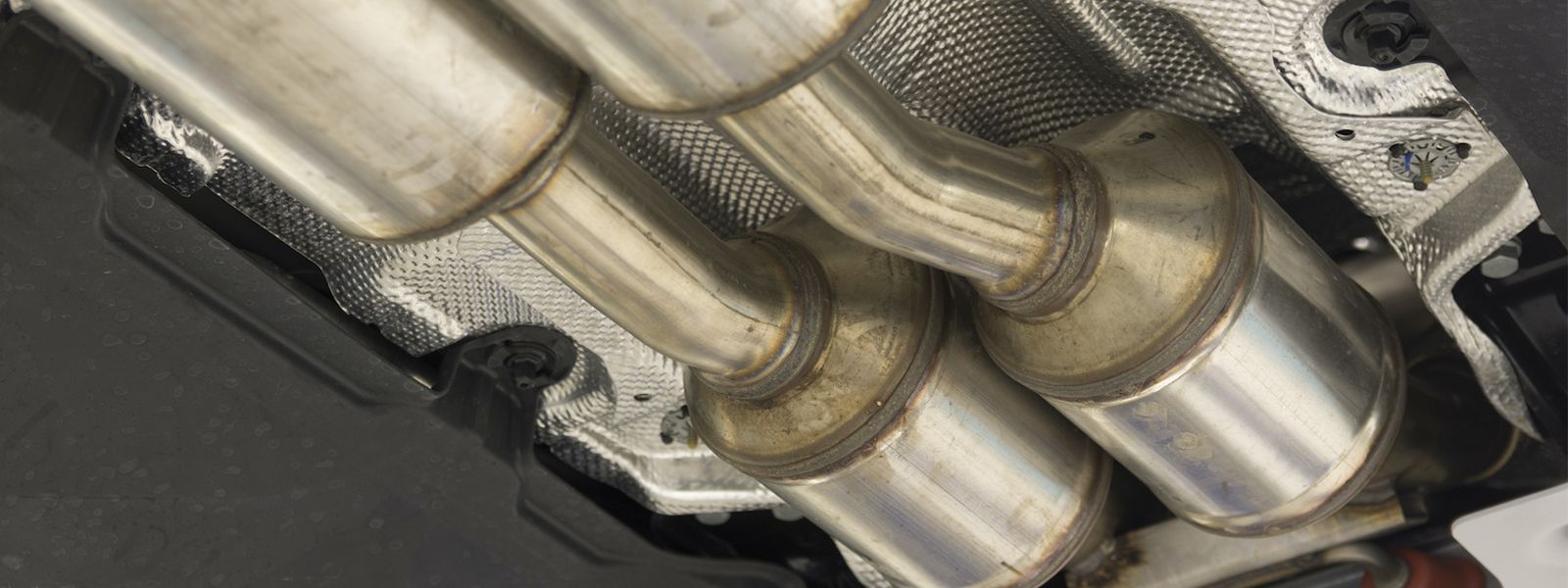
Driving With a Bad Catalytic Converter: Is It Possible
Technically, it is possible. Until the 1970s, the catalyst converter was widely used, and the old vehicles performed well. So, if your problem is whether you can drive a car with a bad catalytic converter, the answer is that the car will run well. However, there is another question you need to ask yourself—should you risk it?
The catalytic converter decomposes the harmful gas in the exhaust gas into harmless carbon dioxide and water to purify the exhaust of the car. The catalyst converter is the most important external purification equipment in the car exhaust. As the requirements of environmental protection are increasingly strict, the application of catalytic converters helps auto manufacturers meet stricter emission regulations. By using catalytic converters, automakers can significantly reduce the harmful substance content in automobile exhaust and improve the quality of emissions. If there is a problem with your catalytic converter, it will cause your car's exhaust emissions to reach the standards prescribed by the government. This will obviously cause your vehicle to be unable to pass the emission test.
If the powertrain control module detects that the oxygen storage capacity of the monitored converter has decreased through its catalyst monitoring feature, the system will log a diagnostic fault code. Likewise, a similar diagnostic process will be triggered if the converter becomes clogged due to cracking of the honeycomb bricks or severe damage caused by external impact. When this happens, your car may exhibit a variety of symptoms, from a mild lack of power and a noticeable drop in fuel economy, to the engine running extremely sluggishly and possibly not starting. Often, the impact of a failed catalyst on vehicle performance is gradual and may not be apparent at first, making it easy to overlook. Some people may ignore a minor lack of power or an illuminated "Check Engine" light and continue driving until the problem becomes severe. However, it's important to understand that even if the converter simply loses efficiency, you can still continue driving without having to worry too much about your car suddenly breaking down. But be aware that in states that require emissions testing, you may end up needing repairs to ensure the vehicle meets local emissions standards. Therefore, paying attention to and dealing with catalyst-related issues in a timely manner will not only help maintain the performance of your vehicle but also ensure that you comply with local environmental regulations.

Are You Driving Without a Catalytic Converter: Know What Happens
If there is no catalytic converter, the oxygen sensor installed in front of and behind it cannot work. Then the car will produce the engine failure code, and the efficiency of the engine will be damaged. Although the disassembly of catalytic converters will not cause damage to the engine, the economy of the engine and fuel you expect will decline.
If you drive without a catalytic converter, please pay attention to the following points:
Changes in exhaust sound: Without a catalytic converter, the noise of exhaust will become bigger and harsh. Even if it is replaced with a suitable exhaust pipe or other similar pipes, the exhaust sound will still become very large.
Engine lights and engine fault code P0420: The rear catalyst oxygen sensor is connected to the exhaust device to determine the efficiency of the catalytic converter to reduce the discharge object. The signal is issued by the catalyst oxygen sensor after the ECU is received, and the fuel hybrid ratio is adjusted according to this change. The catalytic converter may produce this inspection of the engine lights and engine fault code P0420.
Effect on fuel efficiency and engine performance: After the ECU detects the change in fuel concentration, the fuel in each cylinder is adjusted. In order to reduce the emissions of hydrocarbons and COs, you must replace the fuel-mixed ratio of most modern vehicles without demolishing the catalyst. When the ECU receives an over-limits signal on the oxygen sensor, the system must change the original fuel to air, so as to reduce the economy of the fuel. In the process of failure exclusion, the electronic control unit restricts available power.

How Long Can You Drive Without a Catalytic Converter
You can drive your vehicle without a catalytic converter. Currently, many countries and regions in the world have very high requirements for vehicle exhaust emissions, and vehicles need to be equipped with catalytic converters to meet emission standards. If a car does not have a catalytic converter, it will cause the car to fail an emissions test and therefore not be legal to drive on the road. Additionally, many states and governments consider it a felony to intentionally disable a vehicle's exhaust system. Under the law, the government can impose thousands of dollars in fines.
Although the catalytic converter itself does not have a direct impact on car safety, without it, the car's exhaust system will be interfered with by other components such as oxygen sensors or emission control valves. Failure of these components will affect engine performance and therefore increase the risk of engine damage. Therefore, in the absence of clear regulations, car owners should also consider installing a catalytic converter to reduce its adverse impact on the environment. More importantly, some pollutants, such as carbon monoxide, can accumulate to the danger level in a closed space, and pose a threat to the health of personnel. When there is an exhaust leakage and the vehicle is in a closed space for a long time, this risk will increase significantly. In addition, a faulty catalytic converter (such as blocking, damage, or failure) may also have a serious impact on the engine performance of the vehicle. This may lead to problems such as increased fuel consumption, decreased power, and engine overheating. Therefore, once a catalytic transformer fails or is stolen, it is recommended to replace or repair it immediately to ensure the safety, environmental protection, and performance of the vehicle.

Is It Legal to Drive Without a Catalytic Converter
In most of the United States, it is illegal to drive without a catalytic converter. However, the U.S. Environmental Protection Agency (EPA) has some exceptions that allow cars without catalytic converters to be legally driven.
Catalytic converter requirements vary by state, but you should always have one in your car for safety reasons. The Clean Air Act of 1970 requires all vehicles to be supplied with a carb-compatible catalytic converter from the factory.
But what if your car never had a catalytic converter? When the Clean Air Act was passed in 1970, only a handful of vehicles had catalytic converters. To accommodate this, certain states (including Georgia) waive the requirement for a newer car to pass the state’s emission test if the one you’re driving is more than 25 years old.


