Can You Drive with a Bad TPMS Sensor?

Wondering if you can drive with a bad TPMS sensor? Learn why the TPMS light triggers, the safety risks of under-inflated tires, and how to reset your system.
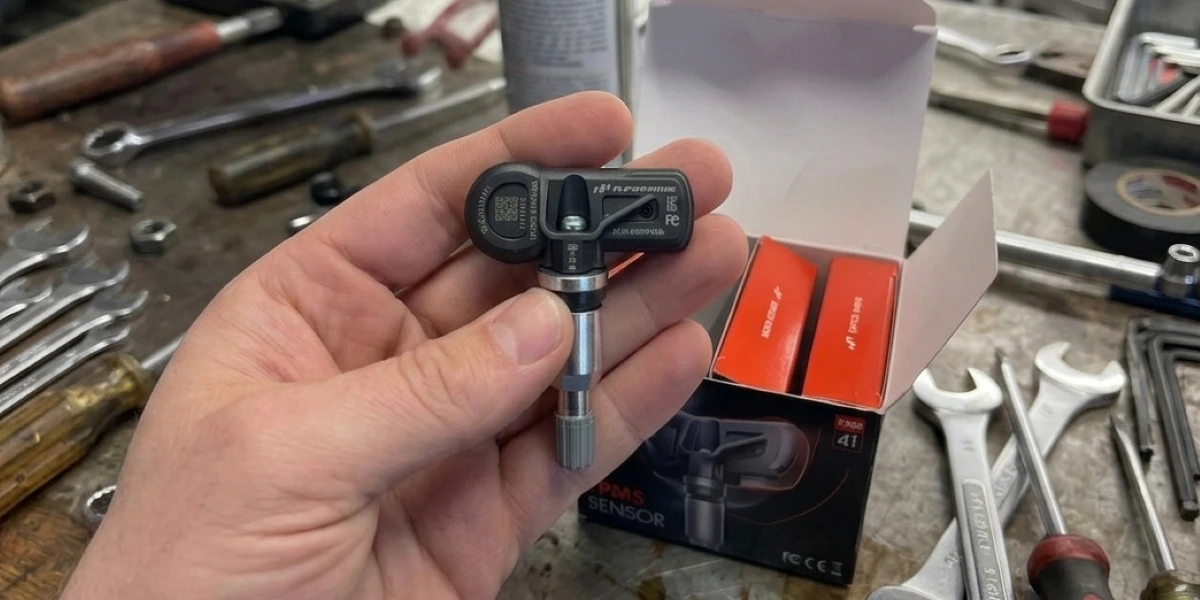

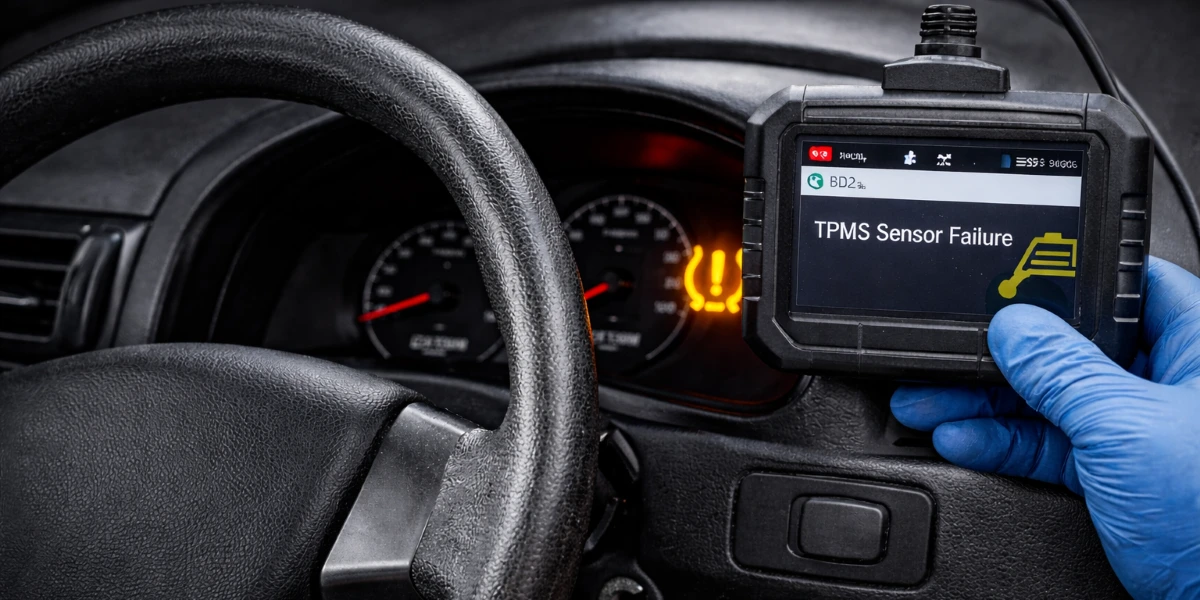


Seeing that horseshoe-shaped exclamation point on your dashboard can trigger instant anxiety for any driver. While you may wonder, "Can I drive with a bad TPMS sensor?" the short answer is yes, you can drive for a short distance. However, you should not ignore the issue; a faulty tire pressure monitoring system compromises your safety and the reliability of your vehicle.
Understanding Your TPMS: A Mandated Safety Feature
The presence of TPMS in new vehicles isn't just a luxury—it’s a legal requirement designed to protect consumers. Following tire safety crises in the 1990s, Congress passed the TREAD Act. This legislation mandated that vehicle manufacturers equip all light motor vehicles under 10,000 pounds with technology to warn of under-inflation events.
Under Federal Motor Vehicle Safety Standard 138, the system must be installed in all passenger cars, light trucks, and buses with a gross vehicle weight rating of 10,000 pounds or less. In the United States, this became effective for all new models as of 2008, while the European Union required it for all new passenger cars starting in November 2014.

How Does a Tire Pressure Monitoring System Work?
The tire pressure monitoring system provides real-time monitoring to warn drivers before low air pressure causes blowouts. There are two primary methods used:
-
Direct TPMS (dTPMS): Uses hardware sensors (like the one in the photo above) mounted inside each individual tire to provide accurate data.
-
Indirect TPMS (iTPMS): Uses wheel speed sensors and the vehicle's electronic board to analyze differences in wheel speed. While estimated via software, iTPMS cannot measure absolute tire pressure values, making it less accurate than direct tpms. For example, Ford uses an indirect tpms known as the Deflation Detection System (DDS).
What the TPMS Warning Light is Telling You
The TPMS light behavior helps you diagnose the system error:
-
Solid Light: This typically means at least one tire has dropped 25% or more below the manufacturer’s recommended pressure.
-
Flashing Light: This usually points to tpms sensor failure or a system communication issue.

The Risks of Driving with a Bad TPMS Sensor
While your car will still steer and brake, a faulty TPMS removes your early warning security. Tires naturally lose between 20 to 60 kPa (3 to 9 psi) of air over a year, making regular checks essential. Risks include:
-
Increased Accidents: Undetected low tire pressure can lead to blowouts or loss of vehicle control.
-
Poor Handling: Underinflated tires compromise structural rigidity, slowing steering response and reducing stability during handling.
-
Excessive Tire Wear: Deflated tires do not distribute weight evenly across the tread, which increases stopping distances and causes premature tire wear.
-
Fuel Economy and Emissions: Underinflated tires create higher rolling resistance. The European Union reports that an average under-inflation of 40 kPa results in a 2% increase in fuel consumption and higher emissions.

Why Do TPMS Sensors Fail?
Most sensors fail due to:
-
Dead Battery: Each tpms sensor is powered by a small battery with an expected life of 5 to 10 years.
-
Corrosion: Road salt and moisture can cause valve stem corrosion, leading to leaks or repair needs.
-
Compatibility Issues: Using certain aftermarket tire sealants can affect sensor functionality, potentially rendering them inoperable. Always check compatibility before a purchase.

How to Perform a TPMS Replacement or Reset?
If your light stays on, first check your pressure using a manual gauge. Regular manual checks are still recommended even for vehicles equipped with TPMS to ensure maximum accuracy.
-
Replacement: A service center must remove the tire from the rim to perform a replacement with a new oem or aftermarket tpms sensor.
-
Reset: Replacing a sensor or inflating tires often requires a reset or recalibration. This is generally an easy process that allows the vehicle's computer to connect with and recognize new signals.
|
Feature |
Direct TPMS |
Indirect TPMS |
|
Accuracy |
High (measures absolute pressure) |
Lower (analyzes speed) |
|
Components |
||
|
Maintenance |
Battery replacement needed |
Software-based |
Addressing a bad tpms sensor promptly is a small investment in safety that optimizes fuel consumption and enhances overall vehicle performance.
Does your TPMS light stay on even after you’ve filled your tires to the levels recommended in your owner's manual?


