Can I Drive with a Leaking Shock Absorber? Everything You Need to Know

Let’s separate internet myths from automotive engineering reality, diagnose whether your shocks are experiencing normal "misting" or a terminal leak, and discover how to restore balanced handling before a cheap fix turns into a massive repair bill.

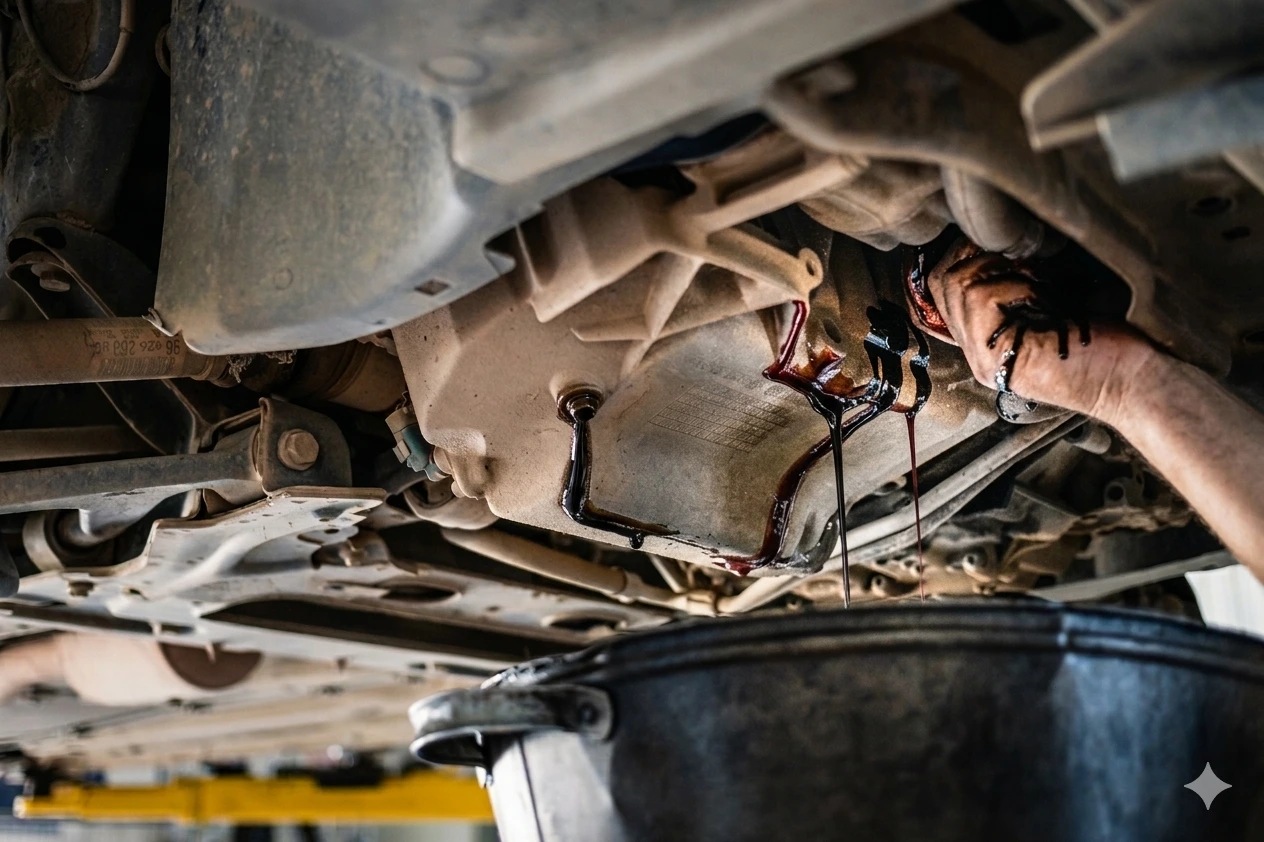
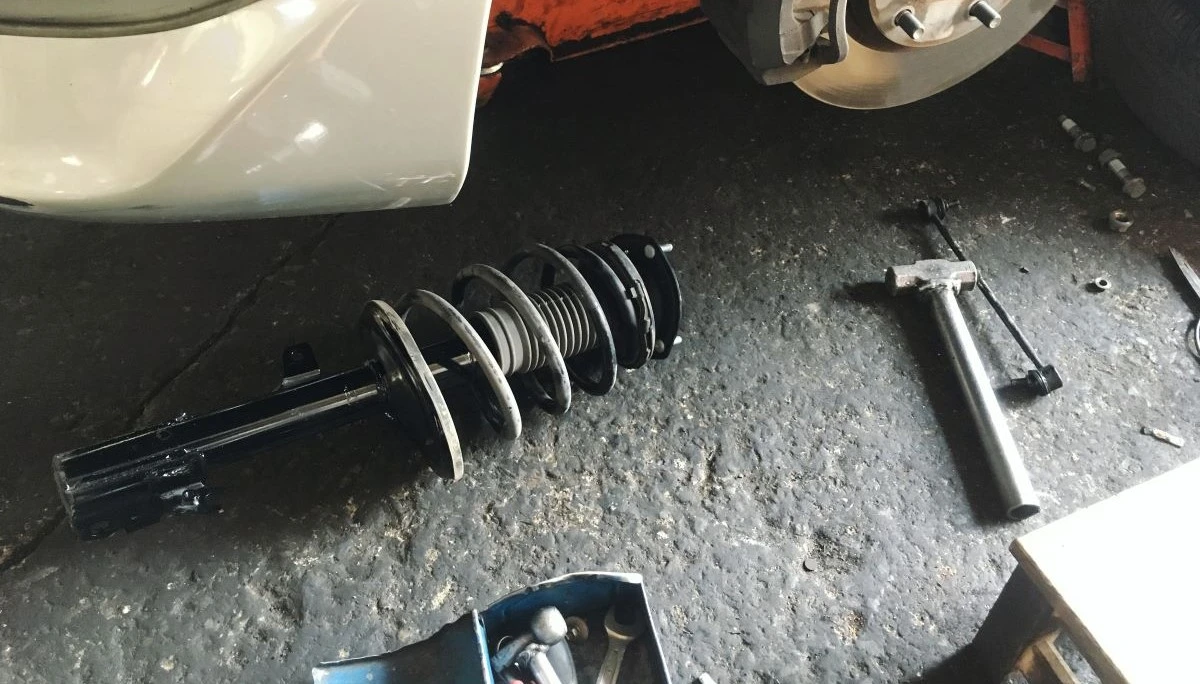
A sudden puddle of amber fluid on your driveway. A strange, floaty sensation as your car crests a highway bridge. A sharp, violent dip of the front end when you slam on the brakes. Your vehicle is trying to tell you something critical: a shock absorber has breached its seals, and its vital hydraulic fluid is escaping.
As a driver, your immediate instinct is likely financial and logistical damage control: Can I drive with a leaking shock absorber, or am I risking a catastrophic failure on the road?
Let’s dive into the mechanical reality of leaking shocks, separate internet myths from engineering facts, and determine exactly how much danger you are truly in.
The Quick Answer: Can I Drive with a Leaking Shock Absorber?
The professional verdict: If you discover a leaking shock absorber, you can physically drive the vehicle only as an emergency measure to reach the nearest repair shop or a safe location. You should not continue normal daily driving on a leaking shock.
Many online forums misleadingly claim that because a shock doesn't support the vehicle's weight (which is the job of the coil spring), a leak is just a cosmetic issue or a minor comfort annoyance. This is dangerous misinformation.
While the car won’t instantly collapse, losing fluid means losing hydraulic resistance. Without that resistance, your suspension system loses control over the wheels. Driving at highway speeds, cornering, or attempting sudden evasive maneuvers with a compromised shock is an unpredictable safety hazard.
What Does a Shock Absorber Actually Do?
To understand why a fluid leak is so destructive, we need to clear up a common myth: shocks do not support your vehicle's weight—that is the job of the heavy steel coil springs.
When your car hits bumps or encounters uneven road conditions, the springs absorb the impact by compressing. However, a compressed spring stores energy and naturally wants to release it by bouncing repeatedly. Left uncontrolled, your car would bounce down the highway like a pogo stick.
That is where the shock absorber steps in. It acts as a hydraulic damper and energy converter in your vehicle's suspension system, designed to swallow up that violent bouncing and turn it into harmless heat.
How a Shock Absorber Works: The Science of Smoother Rides
To understand why a leak is so destructive, think of your shock absorber as an energy converter. It is a hydraulic damper in your vehicle's suspension system designed to do one main job: swallow up the violent bouncing of your springs and turn it into harmless heat.
Here is the simple science of what happens inside the shock body every time you hit a bump:
-
The Movement: Inside the shock, a smooth piston rod plunges up and down inside a pressure tube and cylinder filled with hydraulic fluid (oil).
-
The Restriction: As the piston moves, it forces that oil through tiny, microscopic holes (valves).
-
The Transformation: Because the holes are so small, the oil can't pass through easily. This restriction creates intense resistance, instantly converting the kinetic energy (the bounce) into thermal energy (heat). The metal shock body then radiates that heat out into the air.
By killing the spring oscillations (endless bouncing), car shocks keep your tires firmly glued to the pavement. This constant tire contact is the only thing allowing you to safely steer, accelerate, and brake.
If that oil leaks out, the piston ends up moving through empty air instead of thick fluid. Air offers zero resistance. Without fluid, the damping effect vanishes, leaving you with a dangerously bouncy, uncontrollable car.
Why Do Shock Absorbers Leak Fluid?
Every time you drive, your suspension works overtime. A shock absorber cycles thousands of times per mile. Over time, the internal seals that keep the hydraulic fluid pressurized around the piston rod begin to degrade.
Top Causes of Leaking Shocks:
-
Normal Wear and Tear: Shocks typically last between 80,000 and 150,000 kilometers (roughly 50,000 to 100,000 miles). Eventually, the rubber seals dry out and crack.
-
Harsh Road Conditions: Regularly driving on rough roads or tackling intense off road terrain accelerates seal degradation.
-
Debris Contamination: Grit, dirt, and road salt can score the polished piston rod, tearing the internal seals as the rod moves up and down.
-
Heavy Towing and Hauling: Overloading your vehicle puts excessive pressure on the internal components, causing premature failure.
Why Is a Leaking Shock Absorber Dangerous?
When leaking shocks lose their hydraulic fluid, they lose their ability to dampen suspension movement. This turns your controlled drive into an unpredictable, hazardous ride.
1. Compromised Braking (Increased Stopping Distances)
When you slam on the brakes, the vehicle's weight shifts forward. Worn or leaking shocks cannot resist this weight transfer, causing the front end to dive. This reduces traction on the rear shocks and rear end, which can increase stopping distances significantly—sometimes by up to 20%.
2. Poor Handling and Excessive Body Roll
Without proper hydraulic resistance, you will experience severe body roll when cornering. Leaking or worn shocks hurt the vehicle's handling and can lead to a loose, floaty feel with reduced stability, especially at highway speeds or during sudden emergency maneuvers.
3. Accelerated Tire Wear
When a shock fails, the tire starts to bounce infinitesimally off the pavement. This leads to a distinct type of improper tire wear known as "cupping" or uneven tire wear. Not only does this ruin your tires, but it also severely diminishes your grip on wet or icy roads.
Is It Actually Leaking? Mist, Leak, and Action Plan
Not every wet spot on a shock means it is ruined. It is common for shocks to experience "misting"—a normal condition where a tiny amount of oil vapor escapes and attracts road dust. Use this handy guide to differentiate between a normal shock and a failing one:
|
Visual Appearance |
Diagnosis |
Risk Level |
Recommended Action |
|
Light film of oil residue coated in thin dust, confined to the top of the shock body. |
Misting: Normal lubrication of the seals during everyday operation. |
Low |
Wipe it clean and inspect shocks every 50,000 miles as part of routine maintenance. |
|
Visible oil streaks or wet fluid actively dripping down the shock body. |
Active Fluid Leak: The internal seal has failed; leaking fluid means loss of damping performance. |
Medium |
Schedule a replacement soon. Avoid high-speed cornering or heavy towing. |
|
Completely coated in oil, severe bounce, visible damage to the piston rod or coil spring. |
Total Shock Failure: Damping fluid is depleted; the vehicle relies solely on the spring. |
High |
Do not drive. Have the vehicle towed or serviced immediately by a professional mechanic. |
The Hidden Costs of Delaying Replacement
Ignoring a leaking fluid problem to save a few bucks today will cost you significantly more tomorrow. When your shocks stop absorbing vibration and impact, that raw kinetic energy doesn't just disappear—它 passes directly into the rest of your vehicle's suspension system.
-
Suspension Bushings & Ball Joints: The excess bounce tears apart rubber bushings and accelerates wear on ball joints and control arms.
-
Struts and Mounts: On most vehicles, front struts bear a massive load. Forcing one side to work twice as hard will blow out the opposing side rapidly.
-
Premature Tire Replacement: A set of cupped, unevenly worn tires can cost hundreds of dollars to replace long before their expected lifespan.


Upgrade Your Shock Absorber with A-Premium
When it comes time to replace shocks, you need a component that matches your exact driving needs while offering exceptional durability. A-Premium offers a wide selection of OE-quality shock absorbers engineered to restore your vehicle’s factory-fresh balanced handling.
Why Choose A-Premium?
-
Precision Engineered: Designed with high-strength piston rods and premium Japanese-made oil seals to prevent future leaking shocks.
-
Gas-Filled Performance: A-Premium shocks utilize nitrogen gas-filled technology to reduce fluid aeration, ensuring a smoother ride and consistent performance under extreme temperatures.
-
Direct Fit: Whether you drive a rugged Toyota Tacoma needing heavy-duty rear shocks or a daily commuter car, A-Premium parts fit perfectly without modification.
People Also Ask (FAQ)
Should I replace shock absorbers in pairs?
Yes, absolutely. You should always replace shocks in pairs across the same axle (both front shocks or both rear shocks) to maintain balanced handling and prevent mismatched damping. If you replace only one side, the uneven damping rates between the old and new shock will cause unpredictable, poor handling and pull the vehicle to one side during braking. If one unit has failed, both shock absorbers on that axle should be replaced.
Can I just wipe the leaking oil off and keep driving?
No. Wiping away the leaking fluid only hides the symptom; it doesn't fix the broken internal seal. Once a shock begins leaking, the fluid level inside the pressure tube drops continuously, which can lead to worsening steering, braking, and overall control as the leak continues.
Is it worth paying a premium for original parts?
While original equipment (OE) parts from the dealership are high quality, you don't need to pay inflated dealership premiums. High-quality aftermarket brands like A-Premium deliver identical or superior durability and performance at a fraction of the cost, making them a much smarter financial choice.
Final Thoughts
Your safety on the road relies entirely on four patches of rubber keeping contact with the pavement. Your four shocks are responsible for making that happen. If you spot leaking shocks during your regular inspection—especially at the rear shock absorber, where leaks can reduce stability—don't delay. Keep your vehicle stable, your braking sharp, and your ride smooth by addressing the issue early. Explore the comprehensive selection of robust, reliable shock absorbers at A-Premium today to restore your vehicle's peak performance!


