Can I Clean My Oxygen Sensor Instead of Replacing It? A Complete Guide

Read on to discover how to diagnose your sensor, a safe step-by-step DIY cleaning guide, and how to choose the right replacement to protect your vehicle's engine and catalytic converter.


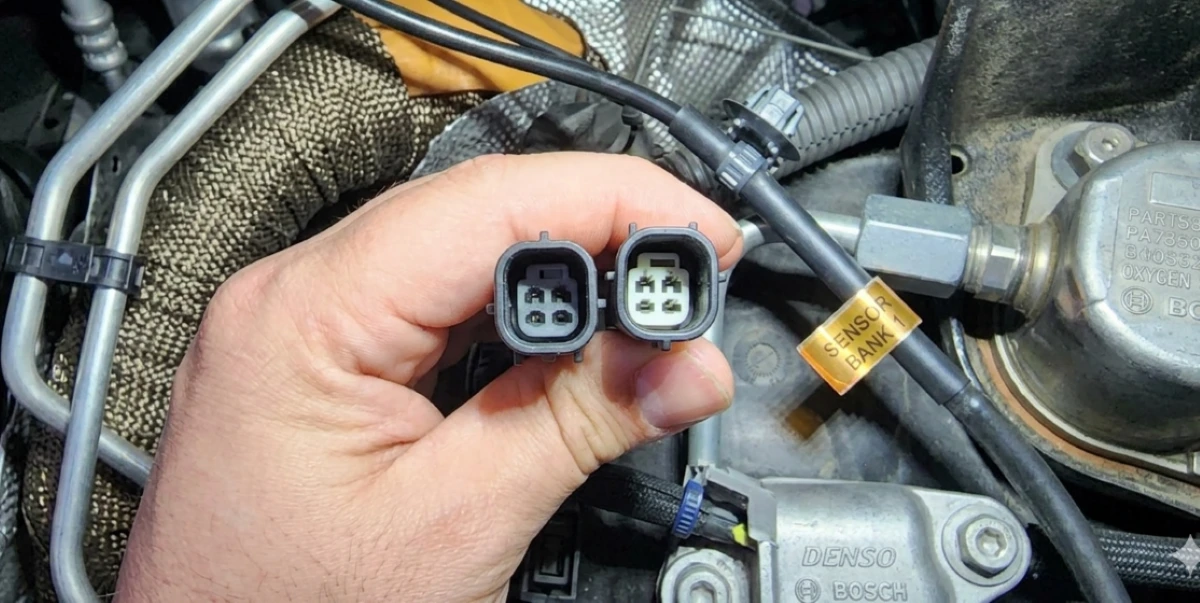
If your dashboard suddenly illuminates with a check engine light, your oxygen sensor (or O2 sensor) is one of the most likely suspects. When faced with the prospect of an unexpected repair bill, a natural question arises: Can I simply clean my oxygen sensor instead of replacing it?
The direct answer is yes, you can clean an oxygen sensor, but it is typically a temporary fix rather than a permanent solution. If the component is simply covered in light carbon soot, a thorough cleaning can clear the error code, restore fuel efficiency, and buy you time. However, if the sensor has suffered internal electrical failure or permanent chemical contamination, you must replace it.
To help you decide the best course of action for your vehicle, let’s look at how these sensors work, how to diagnose their condition, and the exact steps to either clean or replace them.
How Does an Oxygen Sensor Work?
To understand whether cleaning will work, it helps to understand what the sensor does. Modern vehicles typically have at least two oxygen sensors installed, located before and after the catalytic converter.
The upstream sensor monitors combustion efficiency, while the downstream sensor tracks the health of the catalytic converter. Together, they monitor the air-fuel ratio to optimize combustion. The ideal, efficient mixture for a standard gasoline engine is approximately 14.7:1 (14.7 parts air to 1 part fuel).
The oxygen sensor measures oxygen levels in the exhaust fumes and generates an electrical signal for the car's computer (ECU):
-
Rich Fuel Mixture: A high voltage signal indicates too much fuel and not enough air, leaving unburnt fuel in the exhaust.
-
Lean Fuel Mixture: A low voltage signal indicates too much air and a lack of fuel.
To deliver this constant feedback loop, sensors must operate effectively at extremely high temperatures around 316°C (600°F). Zirconia sensors and narrow-band sensors are highly sensitive near that ideal 14.7:1 stoichiometric point, while wideband sensors measure deviations across a broader range to adjust fuel delivery more rapidly.
If a sensor fails or gets dirty, the ECU loses this closed-loop control. The computer is forced to guess the fuel delivery, which can severely reduce fuel economy and cause rough engine performance.
What Are the Signs of a Dirty vs. Failed Sensor?
An oxygen sensor's lifespan varies depending on its design. Heated oxygen sensors feature internal heating wires that bring them to operating temperature quickly and typically last around 100,000 miles. Unheated versions last closer to 30,000 to 50,000 miles. However, contaminated fuel or internal engine issues can cause premature failure long before that.
When an oxygen sensor malfunctions, it will leave clear signs, such as a sudden drop in fuel economy, a rough engine idle, or a check engine light.
When Can You Just Clean It?
You can expect a cleanup to work if the diagnostic trouble code points to a "slow response" or "lazy sensor." This is usually caused by a layer of black carbon soot physically blocking the tiny holes in the sensor’s protective nose shroud, preventing the exhaust gas from reaching the internal ceramic element.
When Must You Replace It?
Cleaning will not work if:
-
The sensor has an internal electrical fault (such as a broken heater circuit).
-
The sensor has suffered chemical poisoning. If your engine is burning oil or leaking coolant, those chemicals bake onto the sensor element, forming a white or grainy gray crust that permanently ruins its chemical properties.
⚠️ Important: Driving with a severely malfunctioning sensor can cause the incorrect air-fuel mixture to overheat and permanently damage your catalytic converter, turning an inexpensive fix into a very expensive repair.
What Causes an Oxygen Sensor to Fail?
Before trying to fix the issue, it is important to understand what caused the breakdown. Sensors rarely die in a vacuum; they are highly sensitive to internal engine health.
-
Carbon Buildup: Natural byproduct of combustion blocking the sampling ports.
-
Oil and Coolant Contamination: If your engine blows a head gasket or burns oil, silicon or phosphorus treats the sensor element, coating it in a white or gray crust that ruins its chemical properties.
-
Age and Thermal Shock: Constant heat cycles eventually crack the internal ceramic elements or break down the internal heating circuits.
How Do You Clean an Oxygen Sensor Safely?
If you want to try cleaning the sensor to save money, avoid using harsh industrial aerosols or a wire brush, which can destroy the delicate sensor element. The community standard and most trusted method among experienced users involves a gasoline soak.
The DIY Cleaning Process
1.Locate and Remove the Sensor:Requires a slotted O2 socket
Find the sensor's location along the exhaust pipe. Unplug the plastic wiring harness, then use a dedicated slotted socket to unscrew the sensor from the hot exhaust component.
2.Prepare the Gasoline Bath:Handle with care
Pour a small amount of regular gasoline into an airtight glass or metal container. Submerge only the metal nose shroud of the sensor. Keep the electrical wires and plastic housing completely dry.
3.Soak Overnight:8 to 12 hours
Allow the sensor to soak. The gasoline will gently dissolve carbon, soot, and lead deposits without eating away at the internal delicate ceramic.
4.Dry and Reinstall:Air dry completely
Remove the sensor, wipe it down, and let it air dry completely. Apply a tiny smear of anti-seize compound only to the threads before reinstalling it in the vehicle.
Product Cleaning Agent Selection Guide
If you prefer a commercial spray over a gasoline soak, look for dedicated Mass Air Flow (MAF) Sensor Cleaners or electronics cleaners that leave zero residue. Never use heavy brake cleaners or penetrants like WD-40, as their chemical additives leave a residue that will immediately bake onto the sensor element at 600°F, destroying it instantly.
To learn more about selecting the ideal commercial product for this job, read our comprehensive guide on How to Choose the Right Oxygen Sensor Cleaner.
How to Replace an Oxygen Sensor
If cleaning does not clear your check engine light, a replacement is in order. Replacing a sensor is a straightforward process that you can do at home.
-
Disconnect the Battery: Safety first; disconnect the negative battery terminal.
-
Unplug the Harness: Disengage the plastic clips connecting the sensor wires to the engine harness.
-
Unscrew the Old Sensor: Use your specialized O2 sensor socket to back the old unit out of the exhaust line.
-
Install the New Unit: Thread the new sensor in by hand to avoid cross-threading, then torque it to your vehicle manufacturer's specification (usually around 30 lb-ft). Reclip the wiring harness.
Premium Upgrade: A-Premium Oxygen Sensors
When it comes time to replace the part, choosing a reliable brand is key. A-Premium Oxygen Sensors offer a perfect blend of factory-quality performance and affordability. Engineered to meet precise OEM specifications, they utilize premium ceramic elements that read air-fuel ratios with minimal latency, bringing your engine back to peak closed-loop efficiency. They even come pre-coated with anti-seize compound right out of the box, making your installation smooth and hassle-free. Consider adding one to your shopping cart to protect your vehicle from long-term efficiency losses.
Frequently Asked Questions
Can a bad O2 sensor damage my engine?
Yes. A malfunctioning sensor can make the engine run excessively rich or lean. Running too rich dumps unburnt fuel down the line, which will ruin your catalytic converter. Running too lean can cause an engine cylinder to overheat, potentially leading to catastrophic internal damage.
What is the difference between upstream and downstream sensors?
The upstream sensor is located before the catalytic converter to actively manage the air-fuel ratio. The downstream sensor sits after the converter simply to monitor its emissions-reduction efficiency.
Will cleaning an O2 sensor clear the check engine light automatically?
If the cleaning was successful, the code may clear after a few drive cycles. Alternatively, you can use an OBD2 scanner to reset the code manually and see if it returns.


