Can a Bad Mass Air Flow Sensor Cause Rough Idle?

A malfunctioning mass air flow sensor can significantly impact a vehicle's performance, particularly evident in symptoms like rough idle, hesitation, stalling, and decreased fuel efficiency.

Suggested A-Premium Parts

Have you ever noticed your car shaking or vibrating when you're sitting still at a stoplight? Do you wander can a bad mass air flow sensor cause rough idle? We know that this small but important part helps regulate the air entering your engine. While when it's not working properly, it could cause your car to run rough. In this article, we'll explore how a faulty mass air flow sensor can lead to a shaky ride and what you can do to fix it.
What is Mass Air Flow Sensor
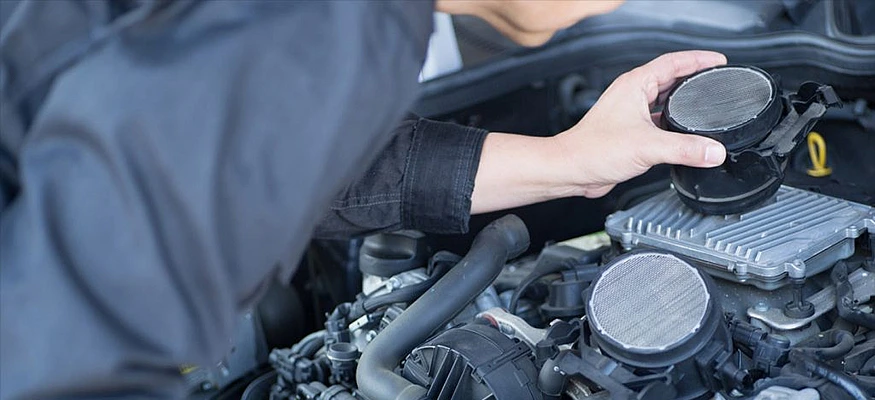
The Mass Air Flow Sensor is an important part of a vehicle's engine. It measures the air entering the engine to determine the right fuel-air ratio for combustion. If the sensor is faulty, it can greatly affect engine performance. This can lead to rough idle, hesitation, and stalling.
Signs of a problem with the Mass Air Flow Sensor include the check engine light coming on, errors in the engine control module, and decreased fuel efficiency. A dirty sensor can cause an imbalance in the fuel-air ratio, resulting in excess fuel being burned and black exhaust from the tailpipe.
Whether using diesel or gasoline, a malfunctioning Mass Air Flow Sensor can cause poor fuel economy and potential stalling. It's important to address these issues immediately to prevent further engine damage.
What is Rough Idle
Rough idle in a vehicle may stem from a malfunctioning Mass Air Flow Sensor. This sensor measures the air entering the engine to maintain the right air-fuel mixture for combustion. If the sensor is dirty or faulty, it might not accurately measure the air intake. This can lead the engine control module to make incorrect adjustments, resulting in a rough idle as the engine struggles to stay at a consistent speed.
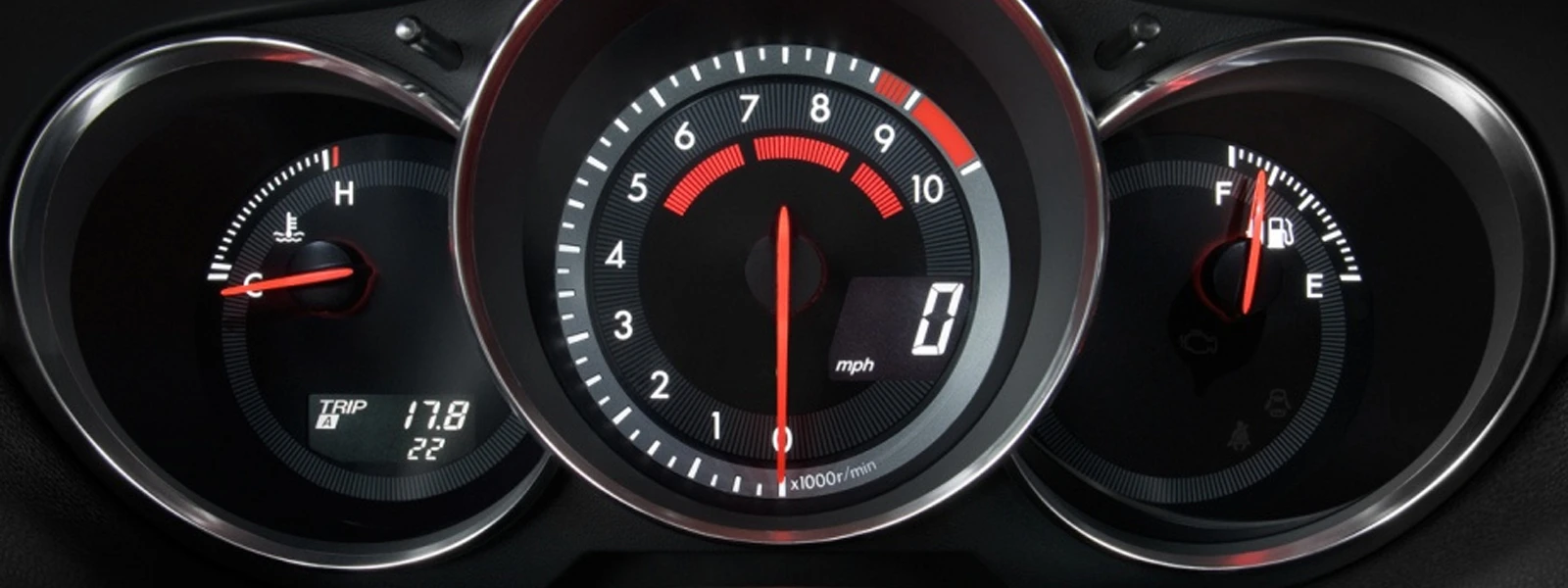
Apart from rough idle, other signs of a bad Mass Air Flow Sensor include hesitation, stalling, black exhaust smoke, and reduced fuel efficiency. Ignoring this issue could cause excess fuel consumption, affecting fuel economy. When a driver observes these symptoms along with the check engine light on the dashboard, it suggests problems with the Mass Air Flow Sensor needing immediate attention to prevent further engine complications.
Can a Bad Mass Air Flow Sensor Cause Rough Idle
A bad mass air flow sensor can affect how the engine works. It might give wrong information to the engine control module, causing the air-fuel mixture to be off. This can lead to a rough idle, trouble accelerating, and the engine stalling. A dirty sensor can also mess up the combustion chamber, making too much fuel get into the system. This can result in black exhaust, less fuel efficiency, and potential damage to the engine over time.
Whether using diesel or gasoline, a faulty mass air flow sensor can turn on the check engine light on the dashboard to show there's a problem. So, fixing issues with the mass air flow sensor is important for keeping the engine running well and saving fuel.
Relation Between Bad Mass Air Flow Sensor and Rough Idle
A malfunctioning mass air flow sensor can cause rough idle in a vehicle. It gives wrong data to the engine control module. This leads to incorrect adjustments in the air/fuel mixture. The result is an unstable engine operation at idle.
Symptoms of a bad mass air flow sensor include:
- Rough idle
- Hesitation
- Stalling
- Black exhaust smoke from the tailpipe
- Decreased fuel efficiency
- Check engine light on the dashboard showing errors
In both gasoline and diesel vehicles, a dirty sensor can create a fuel delivery imbalance. This leads to extra fuel going into the engine. It worsens rough idle and lowers fuel economy. Regular maintenance and timely replacement of a faulty mass air flow sensor can prevent these issues. It ensures smooth engine operation.
Signs of a Bad Mass Air Flow Sensor
Common symptoms of a bad mass air flow sensor are:
- Rough idle
- Hesitation
- Stalling
- Poor fuel efficiency
When the sensor is dirty, excess fuel can enter the combustion chamber, leading to black exhaust smoke. The engine control module relies on this sensor to adjust air-to-fuel ratios. Any imbalance can cause erratic engine behavior. If the sensor fails, the check engine light may come on, indicating fuel economy issues. Whether you use gasoline or diesel, a faulty mass air flow sensor can greatly affect your vehicle's performance. It's crucial to watch out for these signs to avoid expensive repairs and ensure a smooth driving experience. If you face these issues in Poughkeepsie, NY, check your mass air flow sensor next time.
Other Symptoms Caused by a Bad Mass Air Flow Sensor
A dirty sensor can make the engine control module adjust improperly, causing too much fuel to enter the combustion chamber. This can result in a black exhaust from the tailpipe, which signals an imbalance in the fuel-to-air ratio.
These problems not only affect how well the vehicle runs but can also harm the engine if not fixed. Signs of a faulty mass airflow sensor include a persistent check engine light, dashboard warnings about sensor readings, or unusual behavior like stalling while accelerating.
In places like Poughkeepsie, NY, where weather changes impact fuel combustion, ensuring the mass airflow sensor works correctly is vital for good fuel economy and engine performance.
Diagnosing and Fixing Issues with the Mass Air Flow Sensor
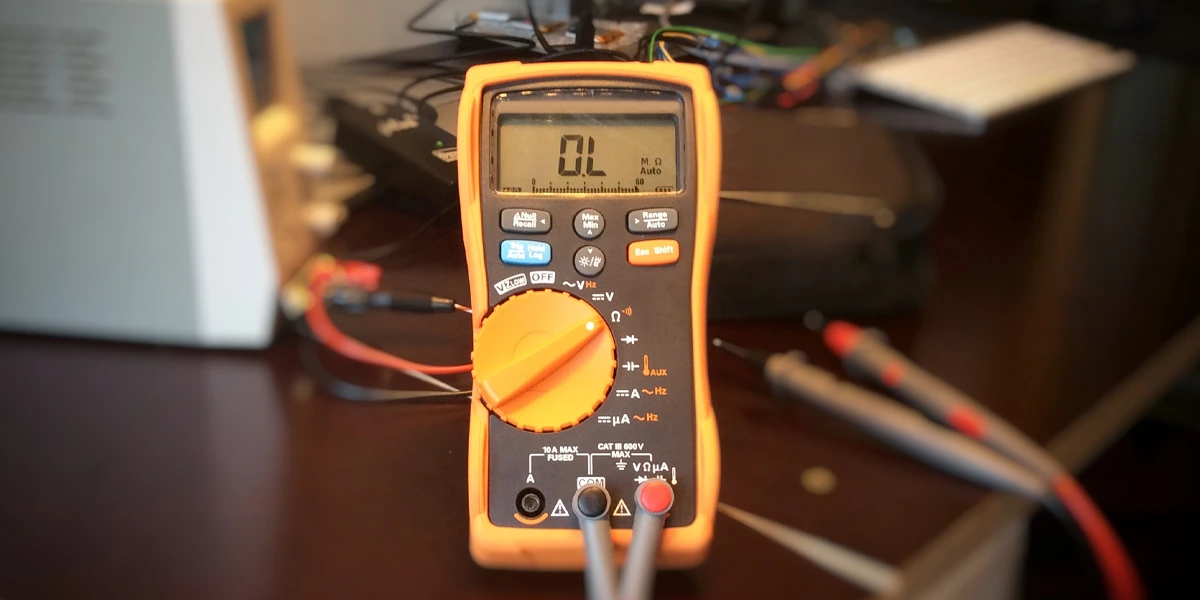
Testing the MAF sensor's performance is vital for maintaining emission performance and ensuring proper engine function. Utilizing an OBD2 scan tool like the Innova 7110 allows for a quick and accurate assessment. By accessing the live data through the scan tool, one can observe the MAF sensor values at different engine speeds. An idle reading should fall between 2 to 7 grams/second (g/s), while readings at higher RPMs should increase accordingly. Significant deviations from these values indicate potential issues with the sensor, such as dirt accumulation or failure. While cleaning may resolve some problems, replacement might be necessary for more severe issues.
Repair or Replacement Options for a Faulty Mass Air Flow Sensor
Dealing with a faulty mass air flow sensor offers a few repair options to consider. Cleaning the sensor if it's dirty can fix inaccurate readings. This is a cost-effective solution compared to outright replacement. Making adjustments to the sensor or fixing any wiring issues causing errors can be another option. If the sensor has internal damage or wear, replacement might be necessary.
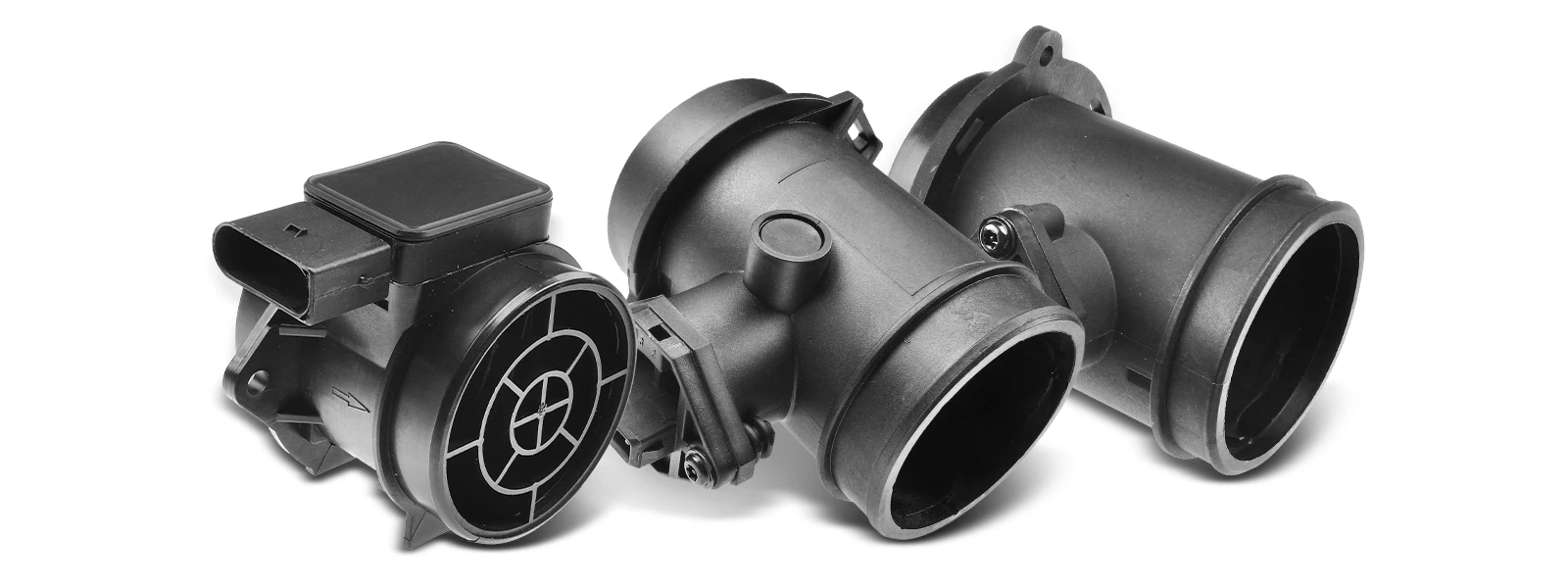
A faulty sensor can cause issues like hesitation, stalling, or dashboard warning lights. Ignoring it can lead to excess fuel, poor fuel economy, black exhaust smoke, and potential engine damage. Replacement costs vary based on the vehicle type and sensor brand chosen. For both diesel and gasoline engines, ensuring the mass air flow sensor functions properly is crucial for optimal fuel efficiency and engine performance. And finally if your MAF Sensor is too broken to fix, then you are in a need of a new one, A-premium mass air flow sensor provides you various options for different vehicle's engine management system, only to keep your safe on the way.
Preventive Measures for Maintaining Mass Air Flow Sensor Health
Regular maintenance is important for keeping the mass airflow sensor in good condition. This includes cleaning and inspections. Ensuring the air filter is clean and free from debris is crucial for the sensor's health. A dirty sensor can cause inaccurate readings, leading to issues like rough idling, hesitation, and poor fuel efficiency.
Symptoms like black exhaust or stalling may indicate a problem with the sensor. Cleaning the sensor with the right products for your vehicle's fuel type is important to avoid errors or dashboard warnings. By following these steps, you can prevent costly repairs and keep the mass airflow sensor working smoothly, whether in Poughkeepsie, NY, or elsewhere.
Conclusion
A malfunctioning mass air flow sensor can significantly impact a vehicle's performance, particularly evident in symptoms like rough idle, hesitation, stalling, and decreased fuel efficiency. Whether in gasoline or diesel engines, the consequences of a faulty sensor extend to potential engine damage if left unaddressed. Regular maintenance, including cleaning and inspections, is crucial for ensuring the sensor operates optimally. Prompt attention to symptoms and proper diagnosis using tools like OBD2 scan tools can aid in timely repairs or replacements, ultimately contributing to smoother engine operation, improved fuel economy, and enhanced driving experience. By prioritizing the health of the mass airflow sensor, drivers can mitigate the risk of costly repairs and maintain their vehicle's performance, regardless of location or weather conditions.
FAQ
Q: How can I test if my mass air flow sensor is causing rough idle?
A: You can test your mass air flow sensor by using a scan tool to check for any error codes related to the sensor, cleaning the sensor with mass air flow sensor cleaner, or physically inspecting the sensor for any debris or damage.
Q: Can a dirty mass air flow sensor cause rough idle?
A: Yes, a dirty mass air flow sensor can cause rough idle because it can disrupt the air-to-fuel ratio. Cleaning or replacing the sensor can help improve engine performance.
Q: Is it safe to drive with a bad mass air flow sensor causing rough idle?
A: It is not safe to drive with a bad mass air flow sensor causing rough idle. This can lead to engine stalling, reduced fuel efficiency, and potential damage to the catalytic converter. It is recommended to address the issue immediately.


