Can I Just Replace Brake Pads Without Replacing Brake Rotors?

Wondering if you can replace just the brake pads and skip the rotors? The answer depends entirely on your rotors.

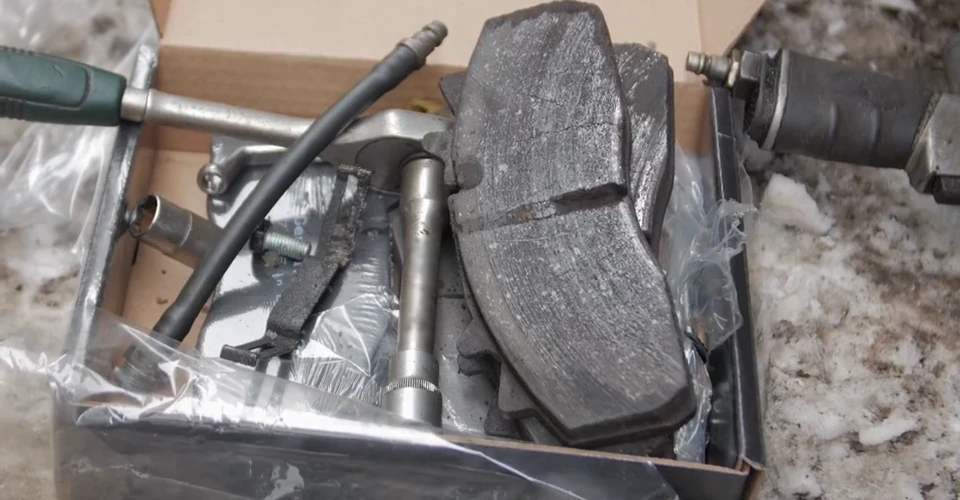
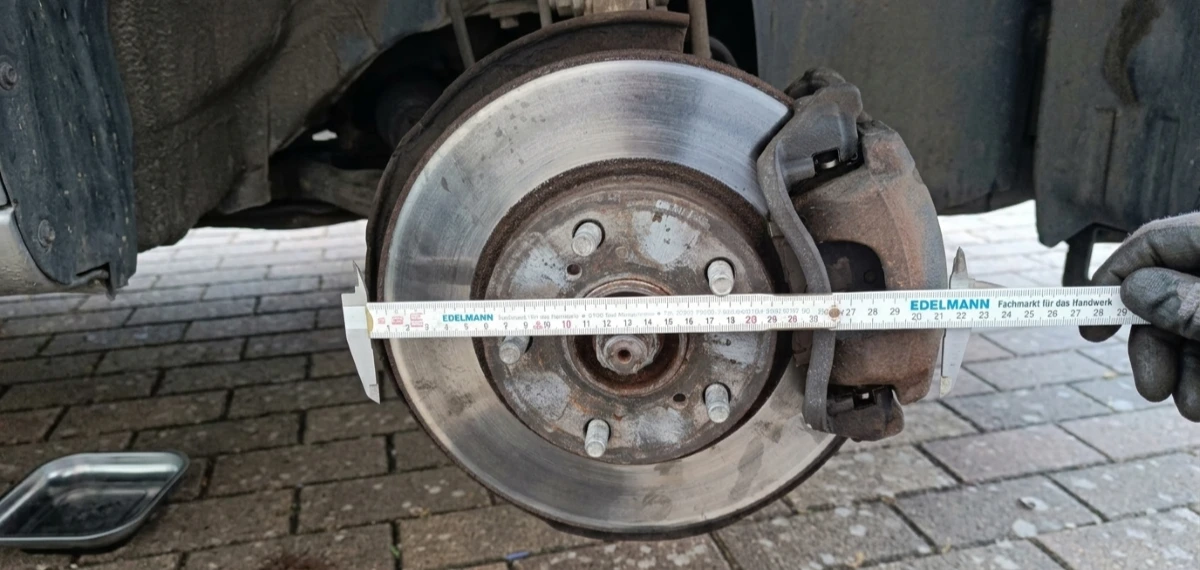
If you’ve ever taken your car in for brake work, you’ve probably heard this question from the mechanic: “Do you want to do pads and rotors together, or just the pads?”
It’s a reasonable question—and a common one. Replacing only the brake pads sounds like a smart way to save money. But is it actually safe? Will your brakes perform as they should? And when is it acceptable to skip the rotors, and when is it asking for trouble?
Let’s walk through everything you need to know before deciding whether to replace brake pads without replacing brake rotors.
The Short Answer
Yes, you can sometimes replace just the brake pads and keep your existing rotors. But it depends entirely on the condition of your rotors.
If your rotors are still within minimum thickness specifications, have a smooth surface, and aren’t causing any vibration or noise, then a pad replacement can be perfectly fine.
If your rotors are worn, warped, or deeply grooved, skipping rotor replacement will compromise brake performance, wear out your new brake pads faster, and could end up costing you more in the long run.

How to Know If You Can Replace Just the Brake Pads
Before deciding to replace only the brake pads, you need to inspect the rotors. Here’s what to look for.
1. Rotor Thickness
Every rotor has a minimum thickness spec stamped on the edge or listed in your vehicle’s service manual. If your current rotors are already close to or below that spec, they need to be replaced.
Even if they look fine visually, rotors that are too thin can’t dissipate heat properly. That leads to brake fade, warping, and unsafe stopping distances.
✅️ Pro tip: If you’re measuring at home, use a micrometer. “Looks fine” isn’t enough when it comes to rotor thickness.
2. Surface Condition
Run your fingernail across the friction surface. Do you feel deep grooves, scoring, or a pronounced lip around the outer edge?
-
Smooth surface: Pads can bed in properly.
-
Deep grooves or heavy scoring: The new pads won’t make full contact, reducing braking effectiveness.
-
Pronounced outer lip: Indicates significant rotor wear. Even if thickness is still acceptable, the lip can cause noise and uneven pad wear.
3. Warped Rotors
If you feel a pulsation in the brake pedal when braking at highway speeds, your rotors are likely warped. Warped rotors cause uneven contact between the new brake pads and the rotor surface, leading to:
-
Vibration under braking
-
Uneven pad wear
-
Reduced stopping power
If your rotors are warped, replace rotors—don’t just swap the pads.
4. Rust and Corrosion
Light surface rust after the car sits overnight is normal. But if you see heavy rust, flaking, or corrosion that has eaten into the friction surface, the rotors are compromised.
This is especially common in harsh climates where road salt accelerates corrosion.
Why Many Mechanics Recommend Replacing Pads and Rotors Together
You may have noticed that many shops recommend replacing pads and rotors together as a default. There are several reasons for this.
It’s Safer
New brake pads paired with worn rotors don’t perform as well as a full set. The mating surface is uneven, which means longer stopping distances and unpredictable feel.
It Saves Labor Costs
If you’re paying a shop, doing pads and rotors at the same time often costs less in labor than coming back later to do just the rotors after the new pads have already worn unevenly.
Turning Rotors Isn’t Common Anymore
In the past, mechanics would machine or resurface rotors when replacing pads. Today, many shops don’t turn rotors anymore because:
-
Modern rotors are thinner from the factory, leaving little room to machine.
-
The cost of machining is often close to the cost of new rotors.
-
Aftermarket rotors are affordable, especially when buying from places like A-Premium.

When You Can Safely Replace Just the Brake Pads
If your rotors pass the inspection above, here are the scenarios where a pad-only replacement makes sense.
Low-Mileage Vehicles
If your car has low miles and the rotors are still within spec with a smooth surface, there’s no reason to replace them. Just swap the pads and bed them in properly.
Daily Driving (Not Performance Driving)
For normal commuting and errands, stock pads paired with healthy rotors provide more than enough stopping power. You don’t need new rotors just because you’re changing pads.
Budget Constraints
Let’s be honest: brake work can be expensive. If your rotors still have enough thickness and no visible issues, replacing just the pads is a perfectly reasonable way to manage costs without compromising safety.
When You Should Always Replace Rotors
There are times when rotor replacement isn’t optional. If any of these apply, do the full job.
You’re Installing Performance Pads
Aggressive pad compound (like track-oriented pads) generates more heat and requires a fresh, flat surface to work properly. Mixing performance pads with old rotors leads to poor bite and uneven wear.
The Rotors Have Been Resurfaced Before
If your rotors have already been machined in the past, they’re likely closer to their minimum thickness. Resurfacing again may put them below spec.
You’re Tracking the Car
If you do a track day or drive aggressively in the mountains, your brakes see extreme heat. Old rotors are more prone to cracking under high heat. Always start with fresh rotors before a track event.
Visible Damage
-
Deep grooves you can catch with a fingernail
-
Cracks between the drilled holes (if equipped)
-
Blue discoloration from overheating
-
A pronounced rust ridge
If you see any of these, replace rotors without question.
The Cost Consideration
One reason drivers consider replacing only brake pads without replacing rotors is cost. And that’s understandable.
A set of quality front brake pads might run $40–80. Adding new rotors can double or triple that cost. When you factor in labor, the difference adds up.
However, consider this: if you install new pads on worn rotors, those pads may wear unevenly and need replacement sooner. You could end up paying for another pad replacement earlier than expected—or eventually having to do the rotors anyway.
In many cases, doing pads and rotors together the first time is actually the more cost-effective choice over the long term.
How to Get the Best Results If You Replace Only the Pads
If you’ve decided to replace just the brake pads, follow these steps to ensure good brake performance.
1. Clean the rotor surface – Use brake cleaner to remove old pad transfer material.
2. Check the caliper – Make sure the caliper slides freely. A stuck caliper will ruin new pads quickly.
3. Bed the pads in – Find a safe area and perform several moderate stops from 30–40 mph to transfer pad material evenly onto the rotor.
4. Monitor the first 500 miles – Pay attention to noise, vibration, or any change in pedal feel.
Final Verdict: Can You Replace Just the Brake Pads?
Yes—but only if your rotors are in good condition.
Replacing brake pads without replacing brake rotors is a valid choice when:
-
Rotor thickness is above minimum spec
-
The surface is smooth without deep grooves
-
There’s no pedal pulsation or vibration
-
You’re driving under normal conditions
However, if your rotors are worn, warped, or grooved, skipping rotor replacement is less risk in the short term—but it compromises safety and will cost you more in the long run.
When in doubt, measure the rotor thickness or have a trusted mechanic take a look. Brakes are the most important safety system on your car. It’s never a place to cut corners.


FAQ
What are the risks of only replacing brake pads?
Installing new brake pads on worn rotors causes uneven wear, poor brake performance, noise, and brake pedal pulsation. Worn rotors have an uneven surface that prevents new pads from seating properly, leading to vibration and early rotor replacement. Doing pads and rotors together is usually the smarter choice.
How can I tell if I can replace brake pads without replacing brake rotors?
Check rotor surface and thickness condition. Measure thickness—if it's above minimum thickness spec with no deep grooves or lip, that's good. Run your fingernail across the surface. If it's smooth with no vibration in the brake pedal, replacing just the brake pads is safe. If rotors are worn, warped, or have deep grooves, replace rotors with the pads.
Why do my new brake pads squeal even though I didn't replace the rotors?
Squealing happens when new brake pads meet old rotors with a glazed surface, deep grooves, or a lip. The new pads can't bed in evenly, causing noise and vibration. Even if rotor thickness is within spec, an uneven surface prevents proper pad compound transfer. The fix? Replace rotors and install pads and rotors as a matched set.
Why choose A-Premium for my brake replacement?
Having the right parts makes all the difference. A-Premium offers a full range of brake pads, rotors, and complete brake kits designed to meet or exceed OEM specifications. Whether you're replacing just the brake pads or doing a full pads and rotors refresh, A-Premium delivers:
-
Vehicle-specific fitment – Simply use the "Confirmed Fit" tool with your VIN to ensure compatibility.
-
Quality materials – From stock pads for daily driving to performance compounds for enhanced stopping power, every component is built for durability.
-
Competitive pricing – Get premium aftermarket rotors and new brake pads at prices that make doing the full job affordable.
-
Complete solutions – Need front brake pads, rear rotors, or a full set? A-Premium has you covered with matched components that work together seamlessly.


