Brake master cylinder replacement: a key to safe driving

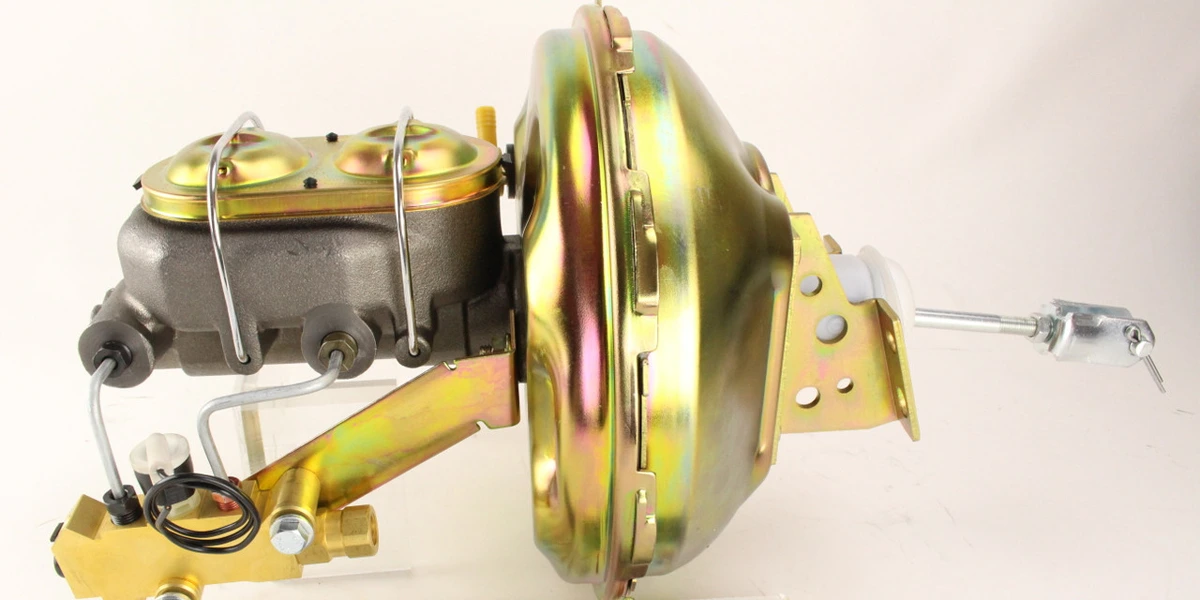
The brake master cylinder is essential for a vehicle's hydraulic braking system, generating pressure when the brake pedal is pressed. It consists of a piston, fluid reservoir, and seals, ensuring reliable braking performance.


The importance of the brake master cylinder
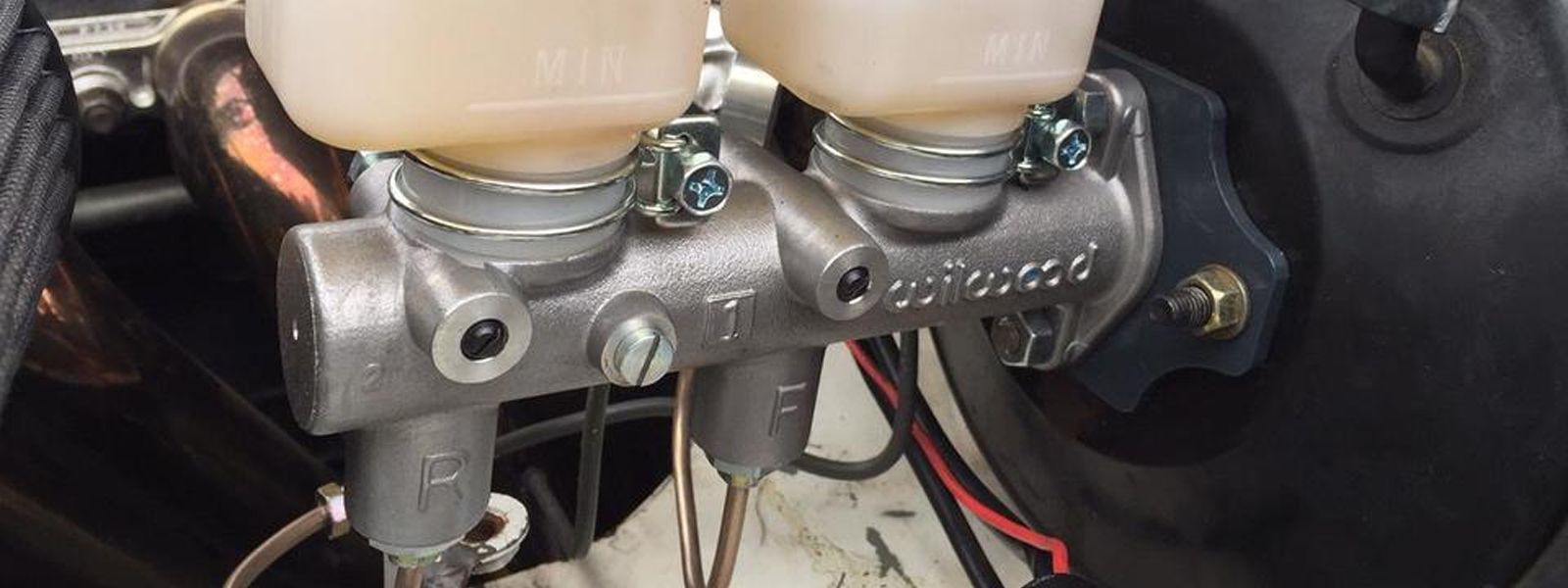
The brake master cylinder is a key part of a vehicle's hydraulic braking system, vital for ensuring dependable stopping ability. Usually found on the driver's side, it consists of a piston, a fluid reservoir, and seals that collaborate to sustain pressure within the system.
When the brake pedal is depressed, the piston moves, generating hydraulic pressure that pushes brake fluid through the lines to the brake calipers or wheel cylinders. This process engages the brakes, enabling the vehicle to decelerate or come to a complete stop.
The master cylinder is essential for maintaining stable braking pressure, which improves responsiveness, and timely replacement is crucial to prevent leaks and seal wear. Understanding its importance is key to vehicle safety, as any malfunction can lead to serious braking problems.
Symptoms of brake master cylinder failure
- Soft or spongy brake pedal: A brake pedal that feels unusually soft or spongy when pressed may indicate that air has entered the brake lines or that the master cylinder is failing. This issue can lead to diminished braking performance.
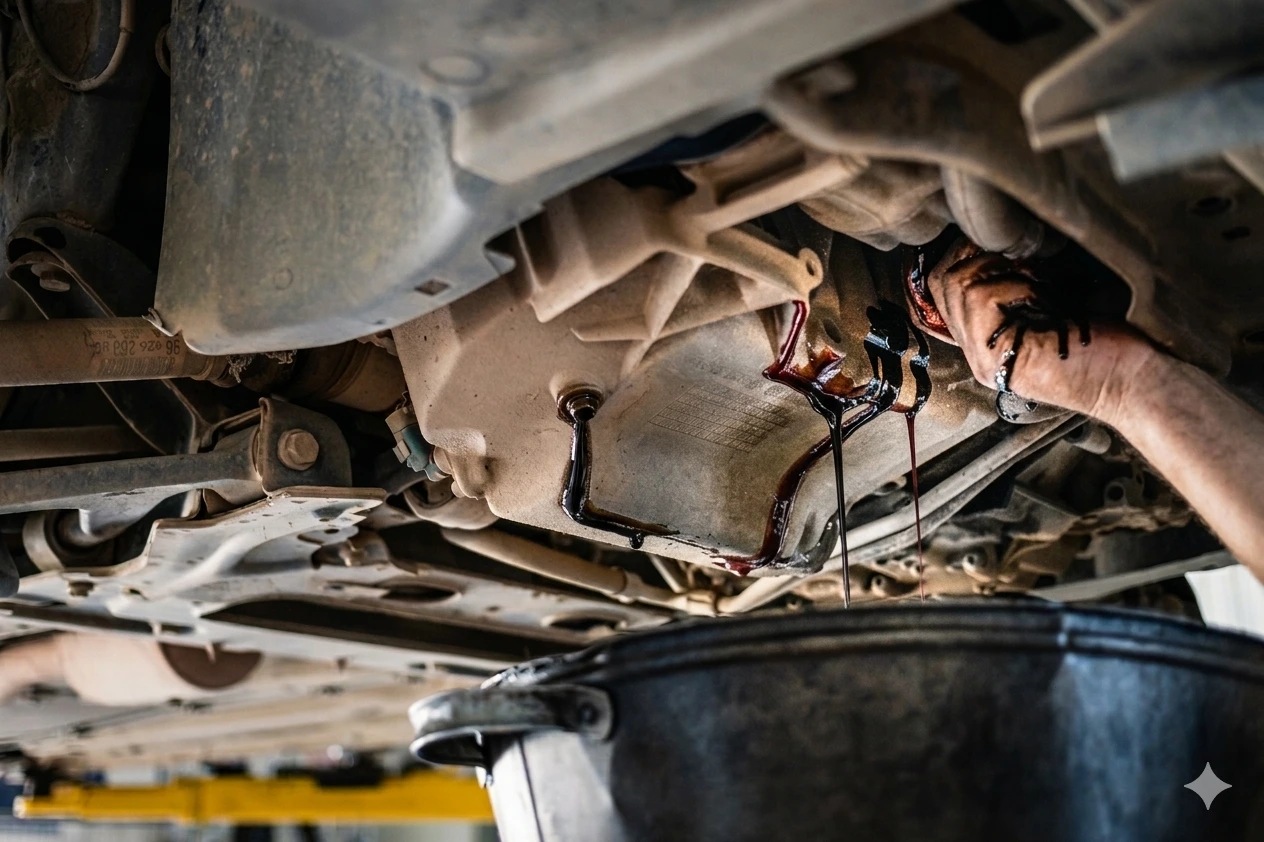
- Brake fluid leaks: Visible leaks around the master cylinder or under the vehicle can signal a problem. If brake fluid is leaking, it can result in a drop in hydraulic pressure, compromising braking performance.
- Warning light: Many vehicles are equipped with a brake warning light on the dashboard. If this light illuminates, it could indicate an issue with the brake system, including the master cylinder.
- Inconsistent braking: If you notice that the brakes are not responding consistently or if the vehicle pulls to one side when braking, it may be a sign of a malfunctioning master cylinder.
- Increased stopping distance: If you observe that your vehicle takes longer than usual to stop, this could indicate a failing master cylinder that is affecting its braking power.
If you encounter any of these symptoms, it’s vital to have your brake system evaluated by a qualified mechanic. This will help identify whether the brake master cylinder needs to be replaced. Taking action quickly can greatly improve your safety while driving.
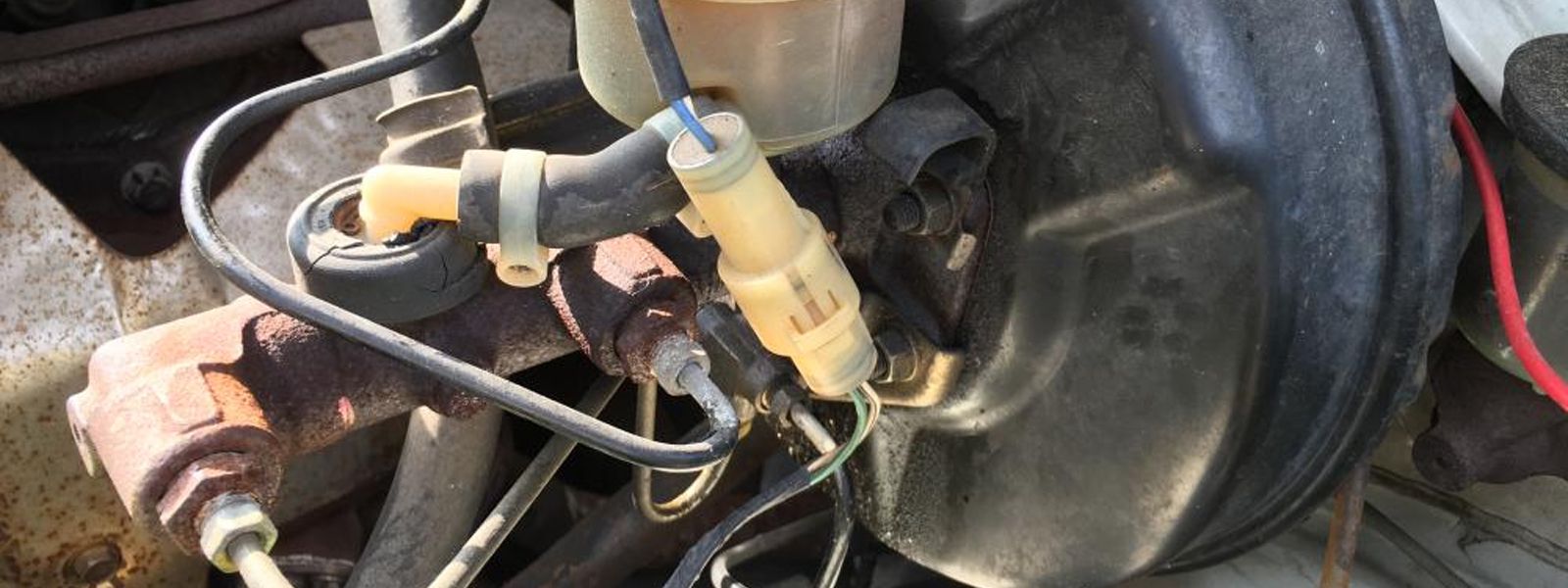
Steps for replacing the master cylinder
- Prepare your vehicle: Position your vehicle on a level surface and set the parking brake for safety. To prevent any electrical complications, disconnect the battery. Collect the essential tools you’ll need, such as wrenches, a container for brake fluid, and the replacement master cylinder.
- Remove the old master cylinder: Find the master cylinder on the driver's side, adjacent to the brake booster. Use a wrench to disconnect the brake lines, and be prepared for some brake fluid to spill. Next, remove the bolts that secure the master cylinder to the brake booster, and gently pull it away.
- Install the new master cylinder: Install the new master cylinder by positioning it correctly and aligning it with the mounting points on the brake booster. Tighten the mounting bolts to secure it firmly in place. Next, reconnect the brake lines to the new master cylinder, ensuring that the fittings are tightened adequately to prevent any leaks. Take care not to overtighten, as this could potentially damage the fittings.
- Fill the reservoir with brake fluid: Once the new master cylinder is installed, fill its reservoir with the appropriate type of brake fluid. Check your vehicle’s manual to confirm the correct fluid specifications. Fill it to the recommended level, but do not overfill. This step is crucial, as proper fluid levels are necessary for effective braking performance.
- Bleed the brakes: After filling the reservoir, bleeding the brakes is crucial to remove any air that may have entered during replacement. The process begins with the wheel farthest from the master cylinder and continues toward the closest. An assistant should press the brake pedal while the bleeder valve on each caliper is opened. Once fluid flows steadily without bubbles, the valve can be closed, and then the next wheel can be addressed.
- Test the braking system: Once all the brakes have been bled and the fluid level is stable, reconnect the battery. Start the vehicle and gently press the brake pedal to ensure it feels firm and responsive. Take the car for a short test drive in a safe area to check that the brakes are functioning properly. If everything feels right, your replacement is complete.
By following these steps carefully, you can ensure a successful brake master cylinder replacement, contributing to the safety and reliability of your vehicle's braking system.
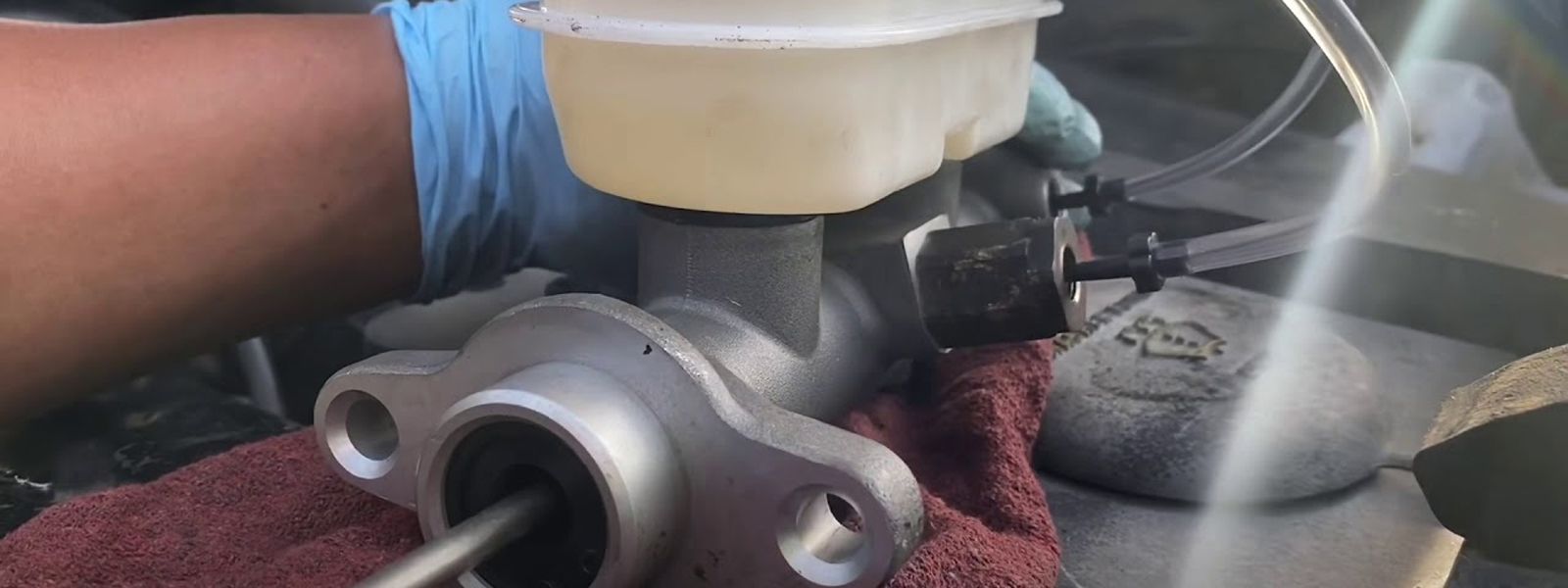
Cost of replacing a brake master cylinder
Replacing a brake master cylinder typically costs between $300 and $700, depending on the vehicle's make and model. The price includes the cost of the part itself, which usually ranges from $100 to $300. Labor can add another $100 to $400 to the total, influenced by the complexity of the replacement and local labor rates. Factors such as the type of vehicle and geographic location can also affect the overall cost.
Brake master cylinders at A-Premium are priced from just a few dozen dollars up to less than $200. Our brake master cylinders are made from high-quality metals such as aluminum, and some models even come with a reservoir and sensor included. Offering great value for money, they provide excellent cost performance while meeting the needs of various vehicle models. Whether you drive a Chevrolet, Ford, or another brand, you can find the right choice for your vehicle. When shopping at A-Premium, you can enjoy free shipping, a 90-day free return policy, and 24/7 customer service.


