Blue Brake Rotors: A Guide to Brake Performance and Safety for Drivers

Noticed blue brake rotors? Learn what "temper coloring" means for your safety. This guide helps determine if rotors are safe or reached their end of life due to warping or cementite (hard spots).
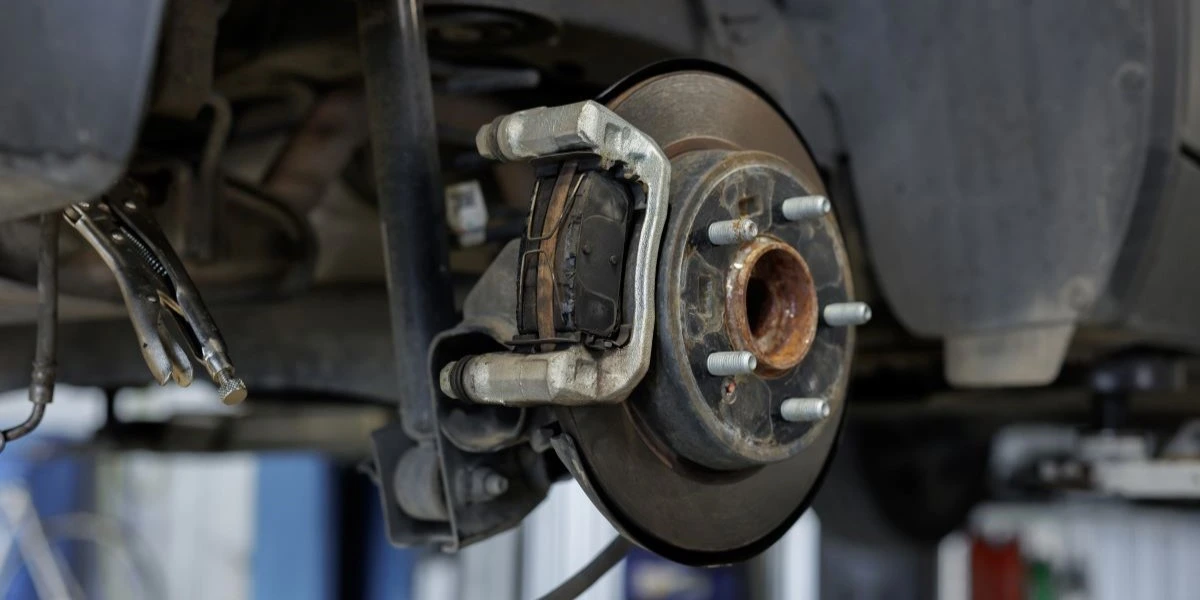
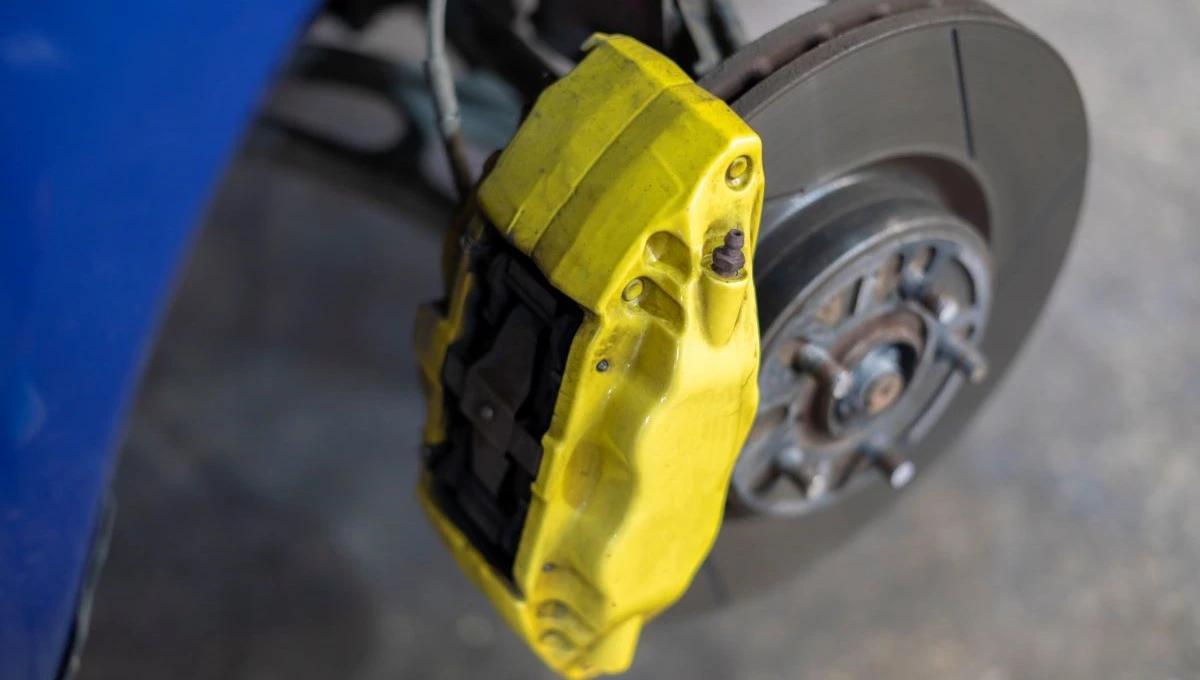
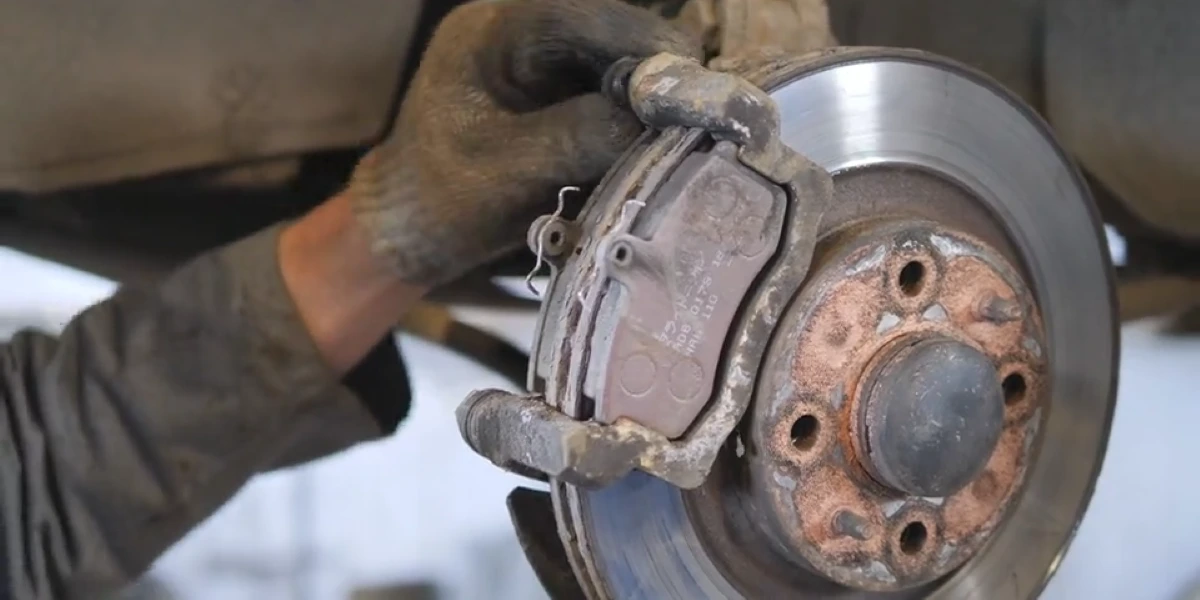
For many dedicated drivers in the United States, the health of your braking system is directly tied to your safety on the road. Brake rotors are circular metal components attached to vehicle wheel hubs that provide the friction surface necessary to slow or stop the wheels from spinning. When you inspect your wheels and notice a deep, mysterious blue tint on the surface of your brake rotors, it can be a cause for concern. Is this a sign of high performance, or a warning of imminent failure?
This guide explores what "blue rotors" actually mean for your vehicle and how long you can continue to drive on them.
What Causes "Blue" Brake Rotors?
The braking process converts kinetic energy into thermal energy through friction. When the brake pedal is pressed, the master cylinder sends hydraulic fluid to the brake calipers, forcing brake pads against the rotor, generating friction and slowing the vehicle.
In physics, blue discoloration is known as temper coloring. It occurs when steel or cast iron rotors are exposed to extreme temperatures, causing a thin layer of oxidation to form on the surface.
-
Temperature Indicators: A blue tint usually suggests that the rotor surface temperature reached 550°F to 600°F or higher.
-
Root Causes: This is typically the result of aggressive braking, such as long-distance downhill driving, track day sessions, or a seized brake caliper causing constant friction.
-
Material Vulnerability: Most brake rotors are made from durable cast iron, which is the industry standard. However, excessive heat can damage these rotors, causing them to warp or crack.
How Much Life is Left After "Bluing"?
There is no single answer, as the "blue" itself is just a signal. The real factor is whether the physical properties of the metal have changed. While rotors often last up to 70,000 miles, extreme heat can drastically shorten that lifespan.
1. Scenarios Where Driving Can Continue
If your rotors show a light blue tint but meet the following criteria, they may still have life left:
-
No Vibration: There is no pulsating sensation (shimmy) or vibrations in the steering wheel or brake pedal when stopping.
-
No Cracking: There are no visible "heat checks" or small cracks on the surface.
-
Adequate Thickness: The rotor thickness remains above the manufacturer’s minimum discard limit.
In these cases, the blue layer might only be surface-level oxidation. Normal driving and braking may eventually wear this layer away.
2. Scenarios Requiring Immediate Replacement
If the bluing is accompanied by the following symptoms, the rotor's service life has effectively ended:
Brake Pedal Pulsation (DTV)
Extreme heat can cause thermal distortion or "warping." Worn-out or warped rotors cause high-frequency vibrations when they contact the brake pads. This significantly reduces braking performance and safety.
Cementite Formation (Hard Spots)
This is a dangerous physical change. When cast iron exceeds 1200°F, the internal structure changes into an extremely hard substance called cementite.
-
The Problem: These hard spots do not wear down at the same rate as the rest of the rotor.
-
The Consequence: Even if you attempt to "turn" or resurface the rotors, the vibration will likely return quickly because the machinist's lathe cannot easily cut through these hard spots.
3. Stress Cracks
Examine the blue areas for tiny cracks radiating from the center. High heat can cause rotors to crack, putting the disc at risk of shattering under high pressure.
A Common Mistake: Replacing Pads but Not Rotors
Many drivers attempt to save costs by only replacing the brake pads after a rotor has turned blue. This is a poor strategy because old or worn brake pads can generate excessive heat and create uneven wear patterns on the rotor surface.
-
Optimal Performance: It is recommended to replace the rotors on the same axle when replacing brake pads to ensure balanced braking and prolong rotor life.
-
Safety: Replacing both components at the same time ensures both are in optimal condition, improving overall performance and safety.
-
Fitment: New rotors must match the vehicle's specific year, make, model, and engine size for proper fitment.


Choosing the Right Aftermarket Rotors
Aftermarket brake rotors are designed to fit like original equipment (OE) products. They often feature premium materials and designs to prevent heat issues:
-
High Carbon Content: Minimizes vibrations and noise, enhancing driving comfort.
-
Ventilation Designs: Different designs like vented, drilled, or slotted serve specific performance needs. Cross-drilled or slotted patterns improve performance by enhancing ventilation and reducing heat buildup to prevent warping.
-
Cooling Suction: Proprietary designs can create suction that removes hot air and gases for better airflow.
-
Warranties: Many aftermarket rotors are designed to meet federal safety standards and come with a lifetime warranty against defects, warping, or cracking.
Conclusion
How long can you drive on blue rotors? If the performance is unaffected and the metal is structurally sound, they may last until their normal wear limit. However, if physical distortion or cementite has formed, their life ended the moment they turned blue.
Safety is the most valuable asset on the road. If you feel vibration or see cracks in the blue zones, visit a professional repair shop immediately. At highway speeds, you need 100% braking confidence, not just a "cool" blue color.
Note: The braking system is a critical safety component. This guide is for informational purposes only. All maintenance decisions should be made in consultation with an ASE-certified technician.


