Basic Parts of an Engine

Understanding the fundamental parts of car's engine, from the engine block and pistons to the fuel and ignition systems, is crucial for any car owner or enthusiast looking to maintain and optimize vehicle performance.

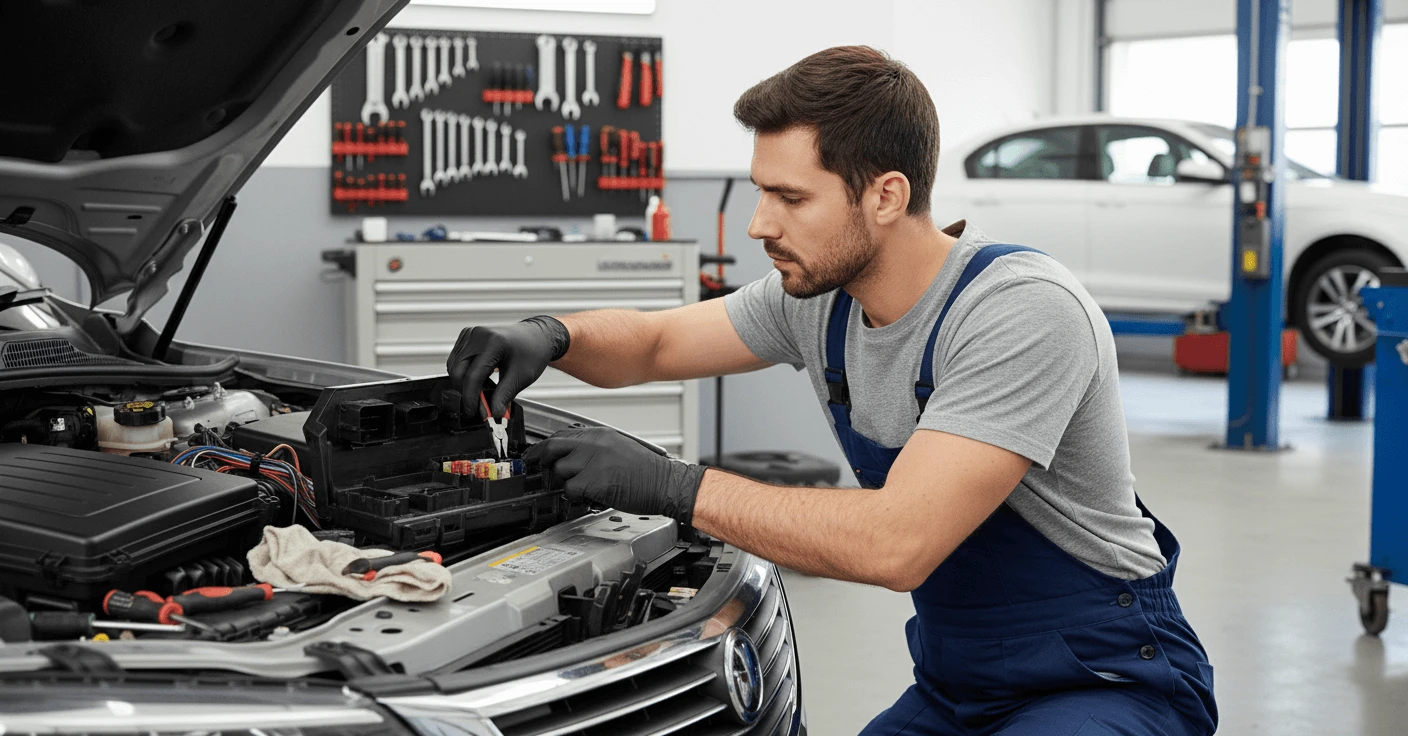


Engines serve as the power generation units that vehicles require for movement. Whether you're a beginner DIYer or a seasoned auto enthusiast, grasping the basic components of an engine is essential.
1. Engine Block
The engine block is the main structure of the engine, housing several critical components. It is typically made from durable materials like aluminum or cast iron to withstand high temperatures and pressures. Inside the engine block, you’ll find:
- Main bearings: Support the crankshaft.
- Cylinder sleeves: Provide a wear-resistant surface for the pistons.
2. Fuel and Air Delivery System
The fuel and air delivery system is crucial for mixing fuel with air to create the combustion necessary for engine operation. This system includes:
Fuel system:
- Fuel pump: Delivers fuel from the tank to the engine.
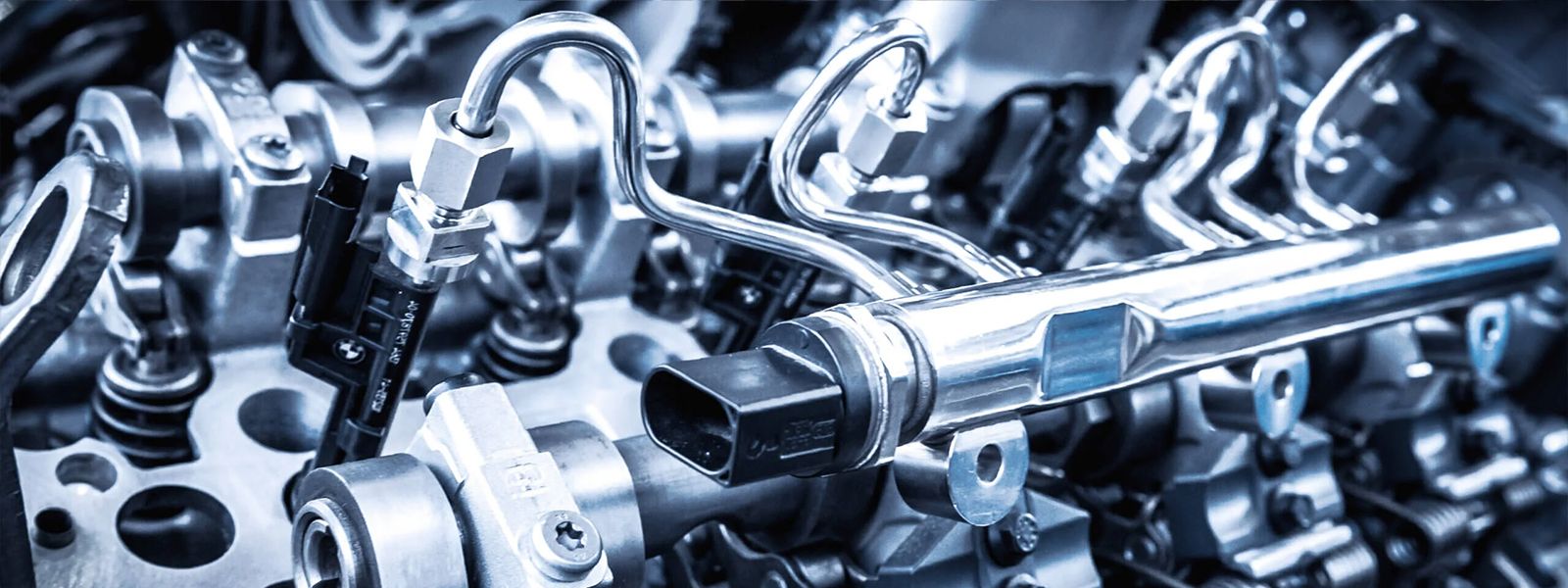
- Fuel injectors: Spray fuel into the combustion chamber (or carburetor in older engines).
- Fuel filter: Cleans the fuel before it enters the engine.
Air intake system:
- Air filter: Prevents dirt and debris from entering the engine.
- Intake manifold: Distributes the air-fuel mixture to the cylinders.
- Throttle body: Regulates the amount of air entering the engine.
3. Combustion System
The combustion system is where the magic happens—fuel is ignited to produce power. Key components include:
Pistons: Move up and down within the cylinders, converting combustion energy into mechanical energy.
- Piston rings: Seal the combustion chamber and control oil consumption.
- Piston pins: Connect the pistons to the connecting rods.
Cylinders: House the pistons and facilitate combustion.
- Combustion chamber: The space where fuel ignites.
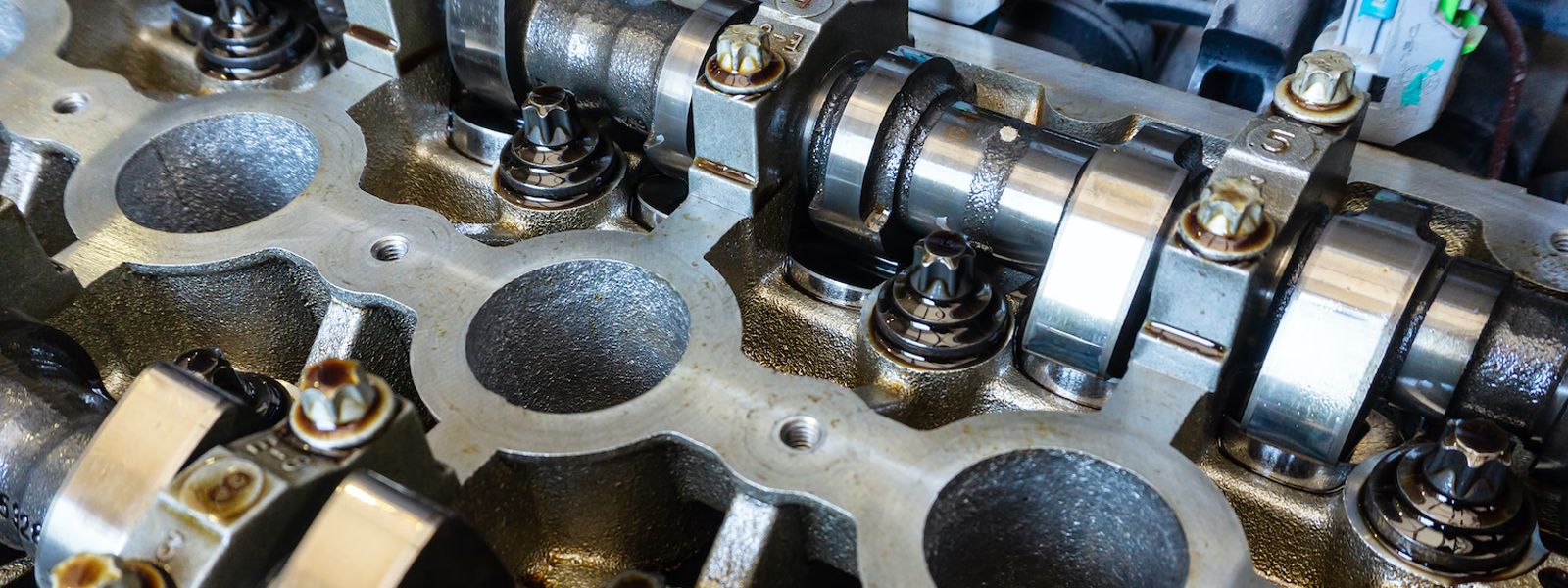
- Cylinder head: Covers the top of the cylinders.
Valves: Control the intake of air-fuel mixture and the expulsion of exhaust gases.
- Intake valves: Allow the air-fuel mixture into the cylinder.
- Exhaust valves: Let exhaust gases exit the cylinder.
- Valve springs: Ensure valves close properly.
- Valve seats: Provide a sealing surface for the valves.
4. Ignition System
The ignition system is responsible for igniting the air-fuel mixture in the combustion chamber. Essential components include:
Spark plugs: Create a spark to ignite the mixture.
Ignition coils: Convert battery voltage into a high-voltage spark.
Distributor: Directs the spark to the correct cylinder (found in older systems).
Timing mechanisms:
- Timing belt: Connects the crankshaft to the camshaft.
- Timing chain: Similar function but typically more durable.
5. Crankshaft and Camshaft System
The crankshaft and camshaft system converts linear motion into rotational motion and controls valve timing. Important components are:
Crankshaft: Transforms the up-and-down motion of the pistons into rotational motion.
- Main journals: Support the crankshaft in the engine block.
- Rod journals: Connect to the connecting rods.
Camshaft: Operates the opening and closing of the valves.
- Cam lobes: Push against the valves to open them.
- Timing gears: Ensure the camshaft and crankshaft are synchronized.
6. Lubrication System
The lubrication system is essential for reducing friction and wear on engine components. Key parts include:
- Oil pump: Circulates oil throughout the engine.
- Oil filter: Removes contaminants from the oil.
- Oil pan: Holds the engine oil.
- Oil galleries: Channels through which oil flows to various engine parts.
7. Cooling System
The cooling system prevents the engine from overheating. Essential components include:
- Radiator: Dissipates heat from the engine coolant.
- Water pump: Circulates coolant through the engine and radiator.
- Thermostat: Regulates the temperature of the coolant.
- Cooling hoses: Transport coolant between components.
8. Exhaust System
The exhaust system directs exhaust gases away from the engine and reduces emissions. Key components include:
- Exhaust manifold: Collects exhaust gases from the cylinders.
- Catalytic converter: Converts harmful emissions into less harmful substances.
- Muffler: Reduces noise produced by the escaping gases.
- Exhaust pipes: Direct the exhaust gases out of the vehicle.
FAQs
Q: Why do engine parts fail so often?
A: Engine parts can fail due to a variety of reasons, including poor maintenance, manufacturing defects, overheating, and lack of lubrication. Regular maintenance and using quality parts can significantly reduce the likelihood of failures.
Q: How often should I replace engine oil and filters?
A: Many people underestimate the importance of regular oil changes. Typically, oil and filters should be replaced every 3,000 to 7,500 miles, depending on the type of oil used and driving conditions. Ignoring this can lead to engine wear and decreased performance.
Q: How can I tell if my engine parts are worn out?
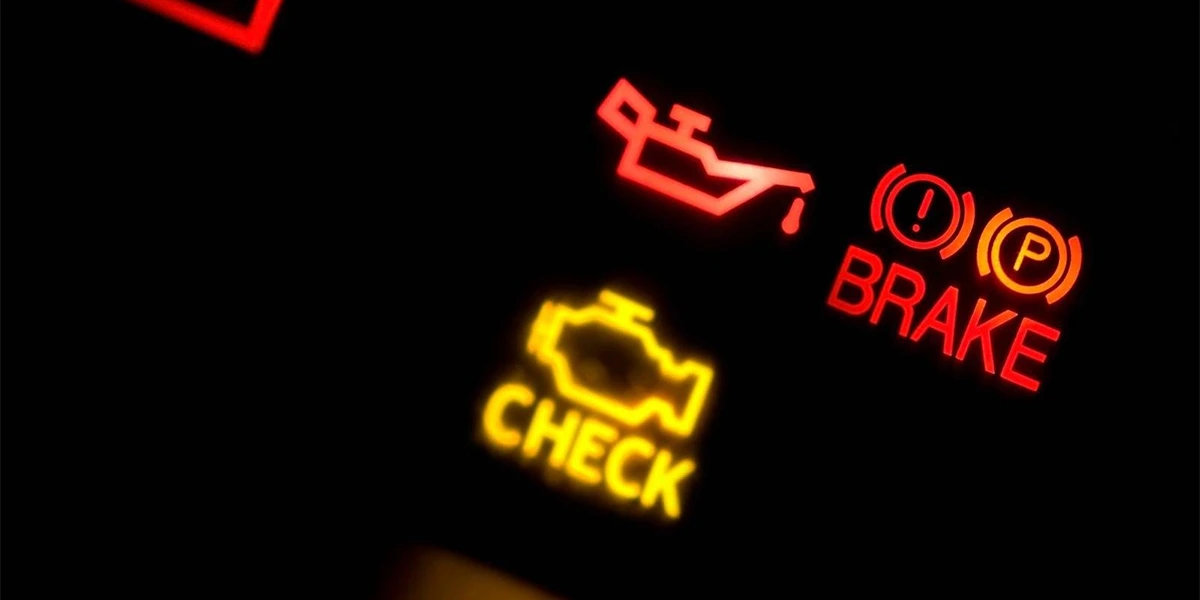
A: Signs of worn engine parts include unusual noises, reduced performance, increased oil consumption, and warning lights on the dashboard. If you notice any of these symptoms, it’s crucial to get your vehicle inspected as soon as possible.
Q: Why do some cars have more cylinders than others?
A: More cylinders can lead to increased power and smoother operation, but they also result in more weight and complexity. Consumers should consider their power needs versus fuel efficiency when choosing between different engine configurations.


