Is It OK to Drive with a Bad Brake Caliper? Understanding the Dangers and Repair Options

Driving with a faulty brake caliper is unsafe, as it impairs braking. Signs include uneven brake pad wear, pulling to one side, noises, and brake fluid leaks. Prompt inspection and repair are crucial. Regular maintenance ensures braking safety.
Suggested A-Premium Parts

Driving with a bad brake caliper is a serious safety concern that many drivers might overlook until it leads to a more significant issue. Your vehicle's braking system is crucial for safe operation, and any malfunction, particularly with the brake calipers, can compromise your ability to stop effectively. This comprehensive guide will explore whether it's OK to drive with a bad brake caliper, the associated risks, and the necessary steps to fix this problem.
Understanding Brake Calipers
What Are Brake Calipers?
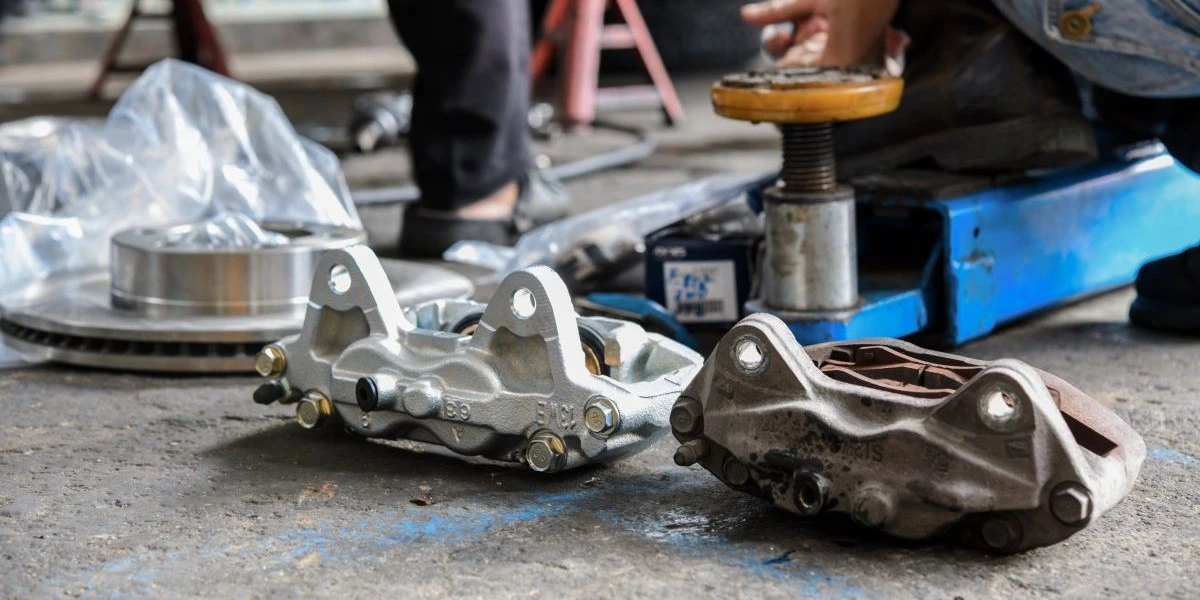
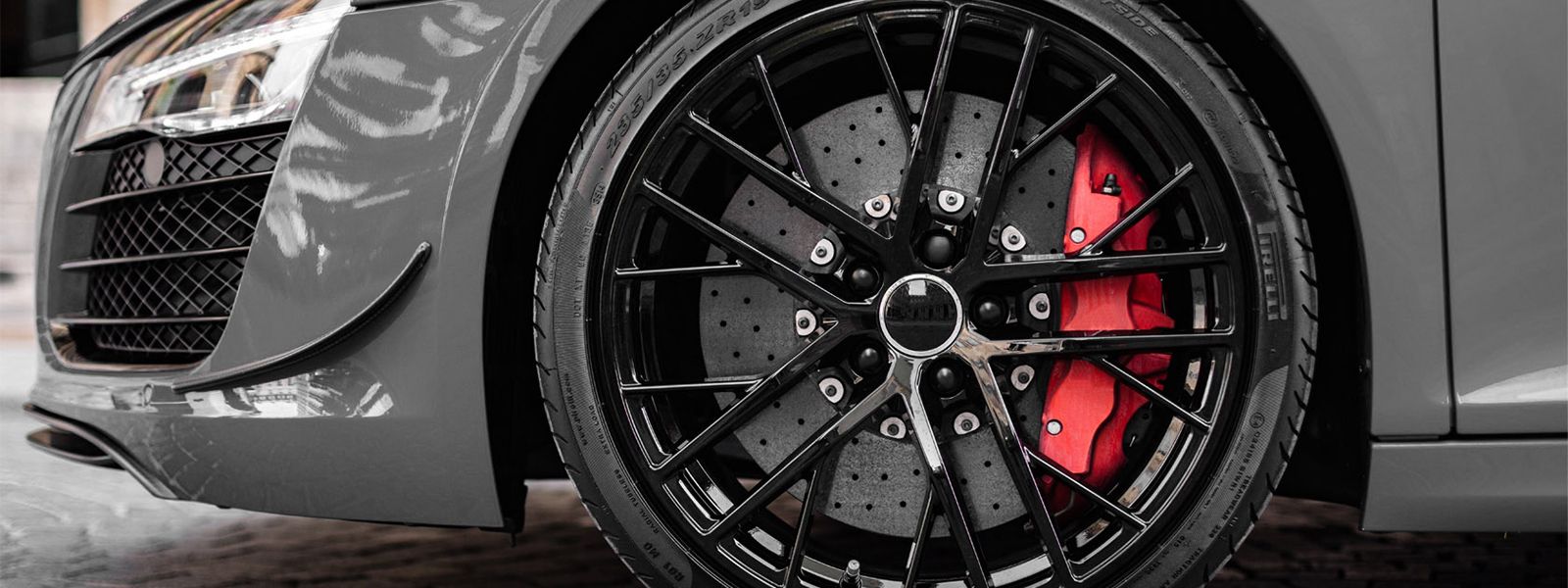
Brake calipers are a vital component of your vehicle's disc braking system. They house the brake pads and pistons and create the friction needed to slow down and stop your vehicle by clamping onto the brake rotors.
How Do Brake Calipers Work?
When you press the brake pedal, hydraulic fluid from the master cylinder forces the brake caliper pistons to push the brake pads against the rotors. This contact creates friction, which slows down and eventually stops the vehicle.
Types of Brake Calipers
- Single Piston Calipers: Commonly used in front-wheel braking systems, these calipers have one piston that applies hydraulic pressure to push the brake pad against the rotor.
- Multi-Piston Calipers: These calipers, often found in high-performance cars and sports cars, provide greater braking force with multiple pistons.
- Floating Calipers: These calipers can slide on the brake rotor to accommodate different rotor sizes and help reduce wear.
- Fixed Calipers: Unlike floating calipers, fixed calipers are mounted rigidly to the wheel hub and do not slide on the rotor.
Signs of a Bad Brake Caliper
Uneven Brake Pad Wear
If one brake pad is significantly more worn than the other, it could indicate a stuck caliper that isn’t applying equal pressure to both sides.
Car Pulling to One Side
A car that pulls to one side when braking is often a sign of a malfunctioning brake caliper, as one side of the braking system isn’t working as effectively as the other.
Unusual Noises
Squealing, grinding, or clunking noises when braking can indicate that the brake caliper is not functioning correctly, possibly due to stuck pistons or worn-out components.
Leaking Brake Fluid
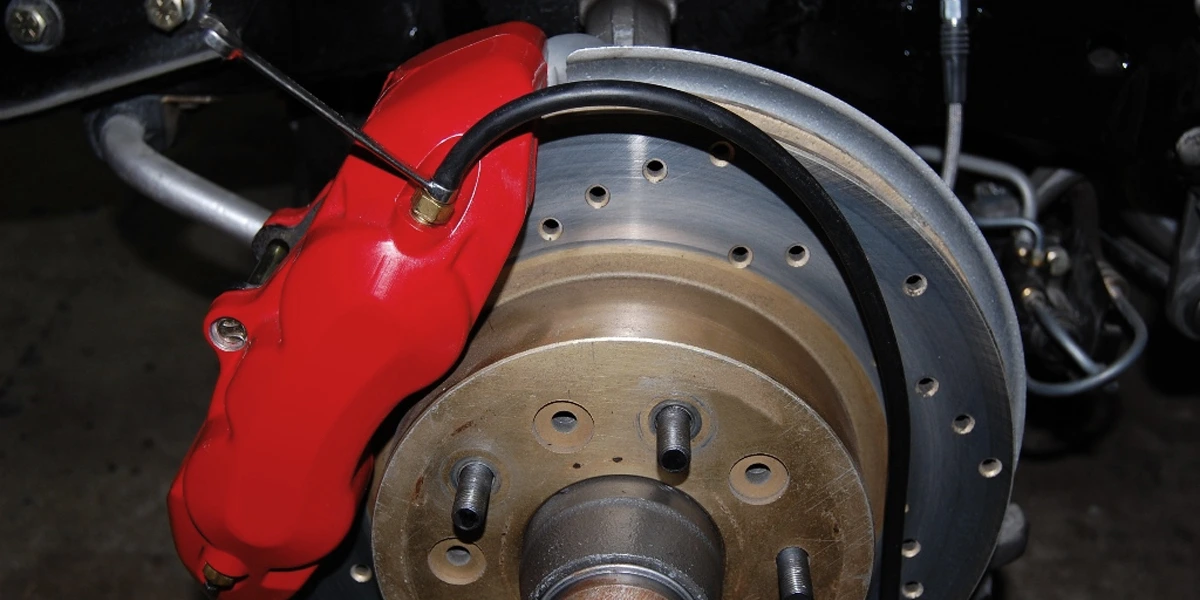
Brake fluid leaks around the caliper area suggest a seal failure, which can significantly reduce braking performance.
For a comprehensive guide on identifying symptoms of a bad brake caliper, check out this useful resource that outlines the signs you should look for.
Risks of Driving with a Bad Brake Caliper
Reduced Braking Efficiency
A bad brake caliper can compromise your vehicle’s ability to stop effectively, increasing the distance needed to come to a full stop and raising the risk of accidents.
Uneven Braking
Uneven braking caused by a faulty caliper can lead to instability, particularly during emergency stops or in adverse driving conditions.
Increased Wear on Brake Components
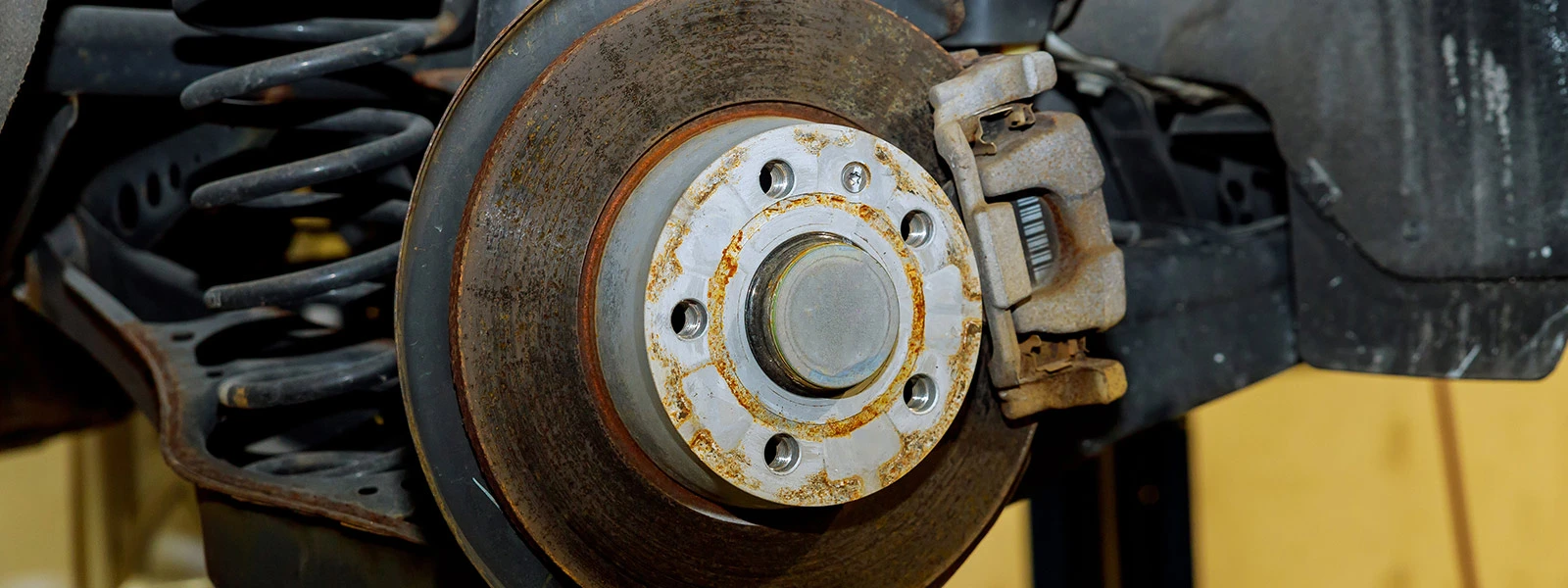
Driving with a bad brake caliper can cause excessive wear on other brake components, such as rotors and pads, leading to more expensive repairs down the line.
Potential for Brake Failure
In severe cases, a bad brake caliper can lead to complete brake failure, posing a significant safety hazard to you and others on the road.
Addressing a Bad Brake Caliper
Inspection and Diagnosis
If you suspect a bad brake caliper, have your vehicle inspected by a professional mechanic. They can diagnose the issue accurately and recommend the appropriate repairs.
Repair Options
Depending on the severity of the damage, a brake caliper can be repaired or replaced. Minor issues might be resolved with cleaning and lubricating the caliper, while more serious damage will require a full replacement.
Cost of Repairs
The cost of repairing or replacing a brake caliper can vary widely, depending on the make and model of your vehicle and the extent of the damage. On average, you might expect to pay between $150 and $300 per caliper, including parts and labor.
Preventing Brake Caliper Issues
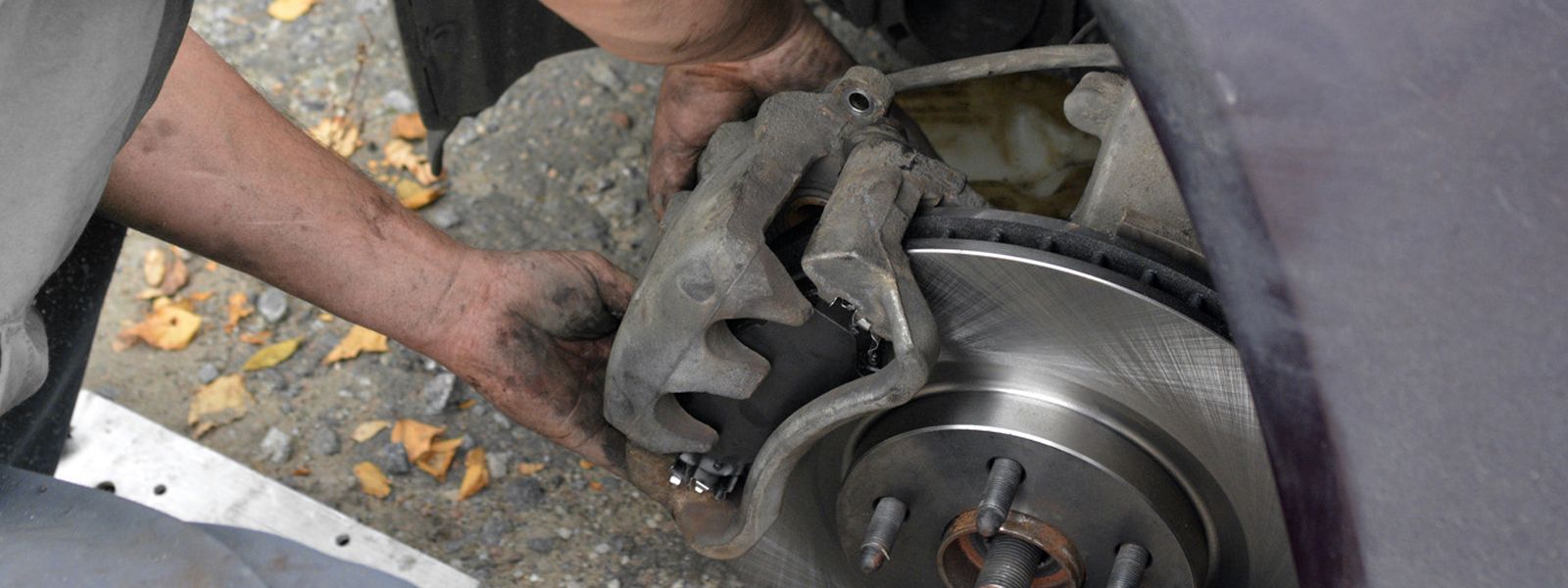
Regular Maintenance
Regular Maintenance: Brake System Care for Safety and Performance
Regular brake maintenance is crucial for every vehicle to ensure optimal performance and safety. This includes checking brake fluid levels and replacing brake pads when necessary. Brake fluid contamination can lead to corrosion and damage, while worn brake pads can compromise braking efficiency. By addressing these issues promptly, you can prevent more extensive and costly repairs, such as caliper problems. Regular maintenance helps ensure the reliability of your vehicle's braking system, providing peace of mind and potentially saving money in the long run.
Professional Inspections
Scheduling routine professional inspections for your brakes is a proactive measure that can detect and address issues before they become major problems. A trained technician will thoroughly examine your brake system, including calipers, rotors, pads, and fluid, to ensure everything is in working order.
Conclusion
Driving with a bad brake caliper is not advisable due to the significant safety risks involved. Recognizing the symptoms and addressing the issue promptly with professional help is crucial for maintaining your vehicle’s braking efficiency and ensuring road safety. Regular maintenance and proactive attention to your braking system can prevent caliper issues and keep your vehicle in top condition.


