Bad Battery vs. Bad Alternator:A Brief Overview

Understanding the battery and alternator's distinct functions is the key to properly maintaining your car's electrical system and avoiding costly mistakes. It provides the basic knowledge you need to keep your vehicle running well.

Suggested A-Premium Parts

Have you ever wondered why your car acts oddly? Typically, it boils down to either a loose alternator or a weak battery. Though they present different issues, they function like the dynamic duo in your vehicle. So, buckle up and come along with us. We'll delve into the basics of these automotive concerns and learn how to spot them before they take you by surprise.
Difference Between A Battery And An Alternator
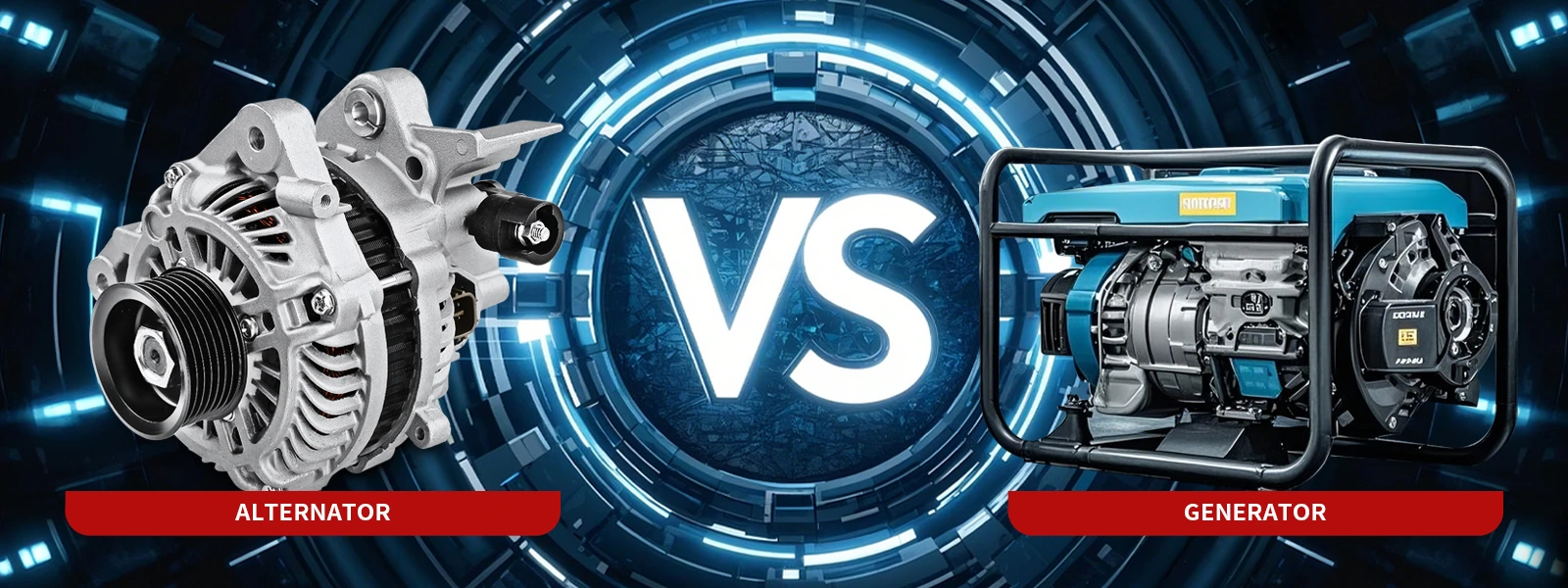
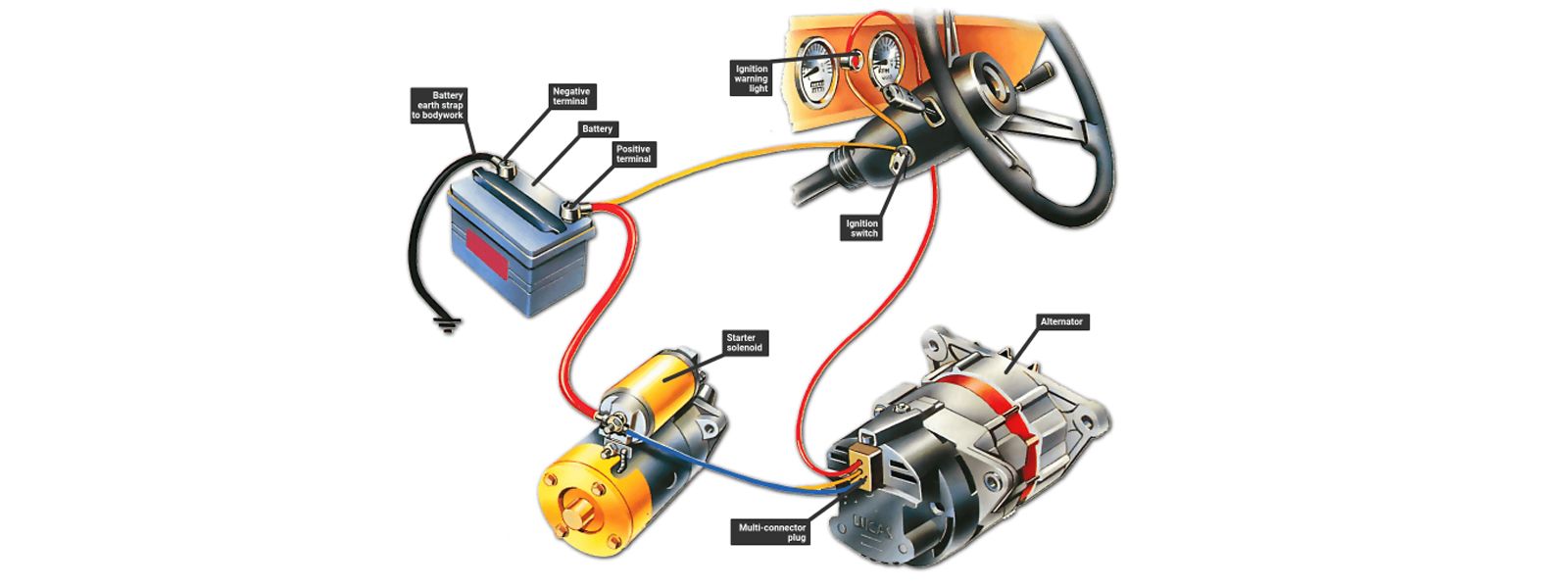
For alternator:
- The alternator is a device that converts mechanical energy from the engine into electrical energy.
- The alternator is powered by the car's crankshaft.
- The alternator generates alternating current (AC).
- If the alternator malfunctions, the battery may not charge properly.
- The alternator's key specifications are its current and voltage output.
- The alternator contains moving components.
- The alternator's main parts include the stator, rotor, armature, pulley, and others.
For battery:
- The battery stores and supplies electrical energy to the vehicle's components.
- The alternator charges the battery while the engine is running.
- A battery is a direct current (DC) device.
- A dead battery can cause starting issues.
- Key battery specifications are its voltage and capacity (ampere-hours).
- The battery does not contain any moving parts.The battery's main components include the cathode, anode, and electrolyte solution.
Signs of a Bad Battery
1. Dimming or Flickering Headlights
A properly functioning car battery should be able to maintain a consistent voltage to power electrical systems like the headlights. If you notice the headlights dimming or flickering when the engine is idling, this suggests the battery is not supplying enough voltage.
2. Battery Charge Warning Light
If this light illuminates, the vehicle's computer has detected an issue with the battery or charging system. This is a direct notification that the battery may need to be tested or replaced.
3. Battery Terminal Corrosion
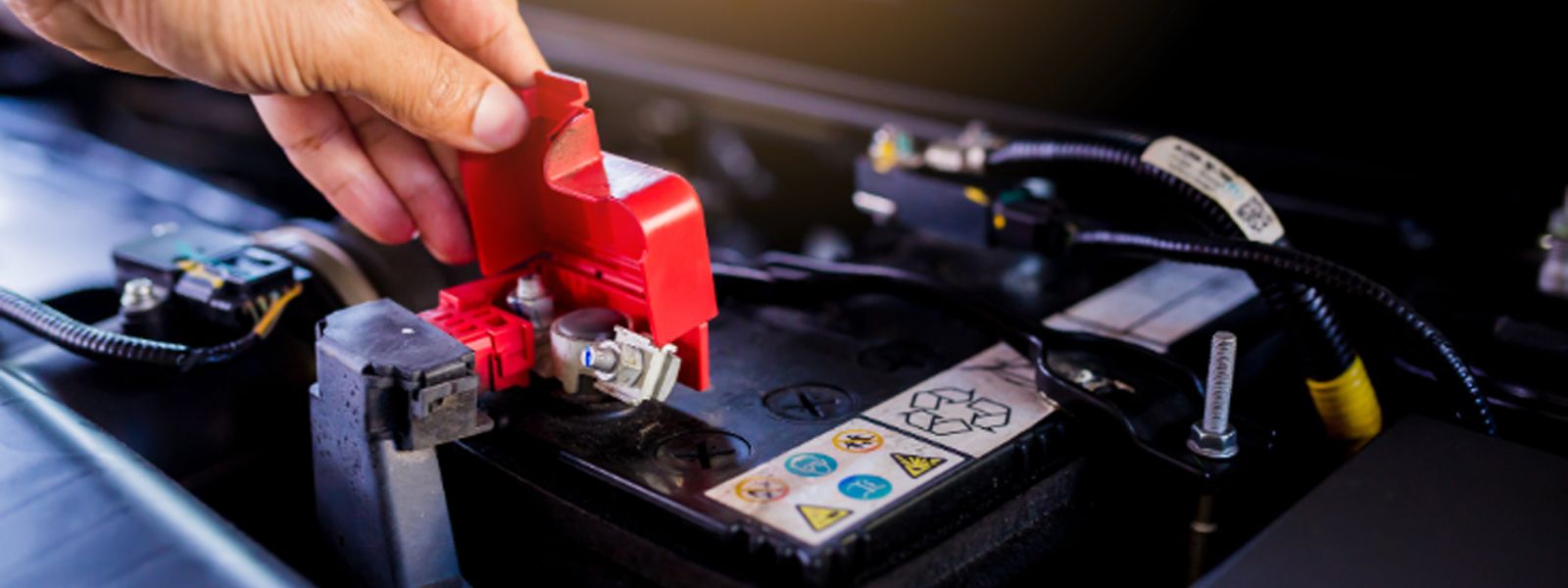
Over time, the battery terminals and connections can corrode due to acidic buildup. Visible white, blue, or green corrosion on the battery is a sign of age and potential issues. Corrosion can impede proper electrical contact and interfere with the battery's charging and power delivery.
4. Swollen or Leaking Battery
Leakage of corrosive battery acid is another hazardous sign that the battery requires immediate replacement. Both swelling and leakage are usually symptoms of significant internal damage or a chemical breakdown happening within the battery.
5. Slow Engine Cranking or No-Starts
A well-functioning car battery should have enough power to crank the engine quickly and start the vehicle without issue when you turn the key. If you experience slow cranking or the engine fails to start altogether, this is a clear sign the battery is not holding a sufficient charge.
6. Frequent Jump-Starting
If you find yourself needing to jump-start your vehicle more often than normal, it's a clear sign the battery is weakening and losing its charge-holding ability. Repeated jump-starting is a precursor to the battery failing completely.
How to Test Your Car Battery
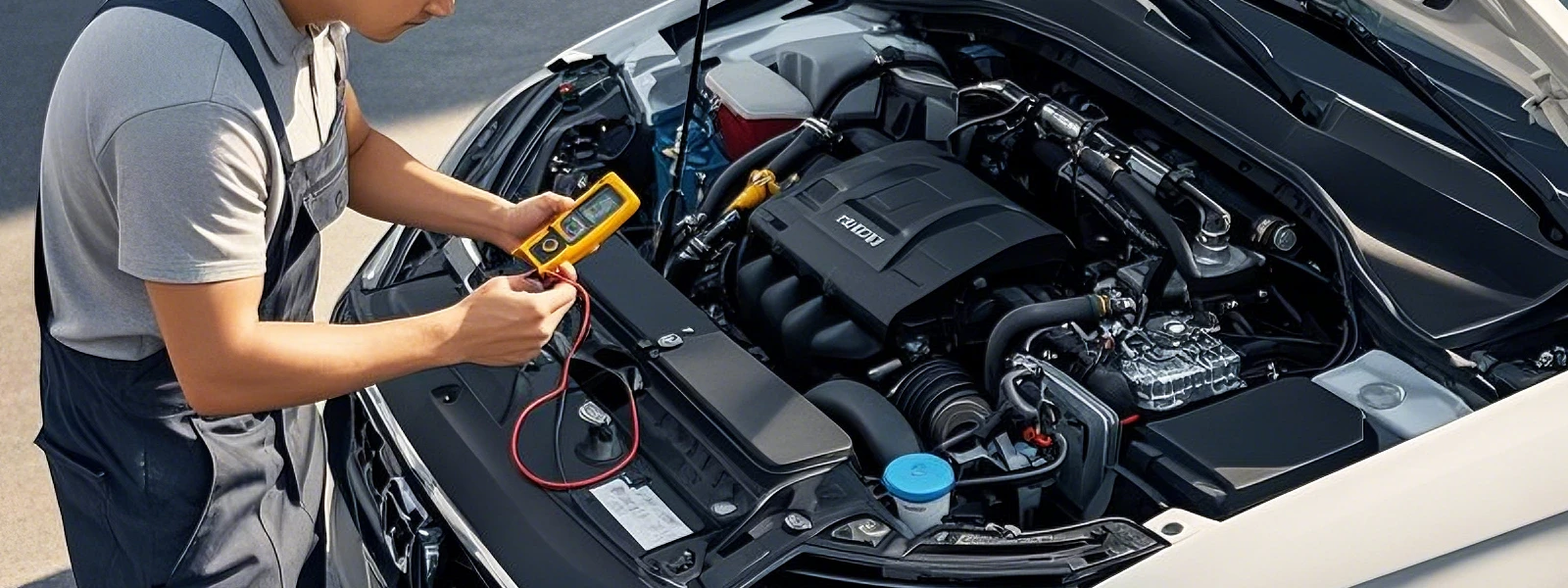
Checking the condition of your vehicle's battery involves a few straightforward tests. Start by using a voltmeter to measure the battery's voltage - with the engine off, a fully charged battery should read around 12.6-12.8 volts, while anything below 12.4 volts suggests the battery may need recharging or replacement. You can also perform a load test by starting the engine, revving it to around 2,000 RPM, and then re-checking the voltage, which should be above 13.2 volts. A significant voltage drop could indicate an issue with the battery or charging system. Visual inspection of the battery case for signs of damage, swelling, or leaks, as well as checking the terminals for corrosion buildup, can provide additional clues about its state of health. For a more comprehensive assessment, you can have an auto parts store or repair shop conduct a full battery load test to precisely evaluate its power delivery capabilities. Regularly testing your car's battery can help you identify and address any potential problems before a complete failure occurs.
Signs of a Bad Alternator
1. Dimming Headlights
When the alternator is not functioning properly, it may not be able to supply sufficient voltage to maintain a full battery charge. As a result, you may observe the headlights noticeably dimming, particularly when the engine is idling or when you rev it up. This dimming of the headlights is one of the most conspicuous and common indicators that there could be an issue with the alternator.
2. Battery Not Charging
A properly functioning alternator should be able to keep the battery at a full state of charge while the engine is running. If the battery continues to drain even with the engine on, it's a clear sign the alternator is not supplying enough voltage to recharge the battery. This can lead to the battery eventually dying and the vehicle not being able to start.
3. Battery Warning Light
Most vehicles have a battery or charging system warning light on the dashboard. If this light illuminates while driving, it indicates an issue with the charging system, likely a problem with the alternator. The warning light is triggered when the vehicle's computer detects a voltage drop or charging system malfunction.
4. Battery Corrosion
Excessive battery corrosion or leaking around the terminals can be a symptom of an overcharging alternator. An overcharging alternator can cause the battery to overheat and produce excessive gassing, leading to corrosion buildup on the terminals.
5. Battery Drain
If the battery is draining even when the vehicle is turned off, it may be due to the alternator continuing to provide a charge when it should be off. This can happen if the alternator's internal voltage regulator is malfunctioning, causing it to overcharge the battery.
The above five characteristics of a bad battery are the same as those of a bad alternator. The following two points are the main differences between the two.
6. Electrical Issues
Problems with other electrical components like flickering dashboard lights, radio cutting out, or erratic behavior of electronics can point to an alternator failure. These issues arise because the alternator is responsible for powering the entire electrical system when the engine is running.
7. Whining or Growling Noises
A bad alternator bearing can produce unusual noises like a high-pitched whine or deep growling sound coming from the alternator itself. These noises are caused by the alternator's internal components wearing out and failing.
In summary, a bad battery is an issue with the battery itself, while a bad alternator is a problem with the vehicle's charging system, preventing the battery from being properly recharged. Diagnosing the root cause is important to determine the appropriate repair.
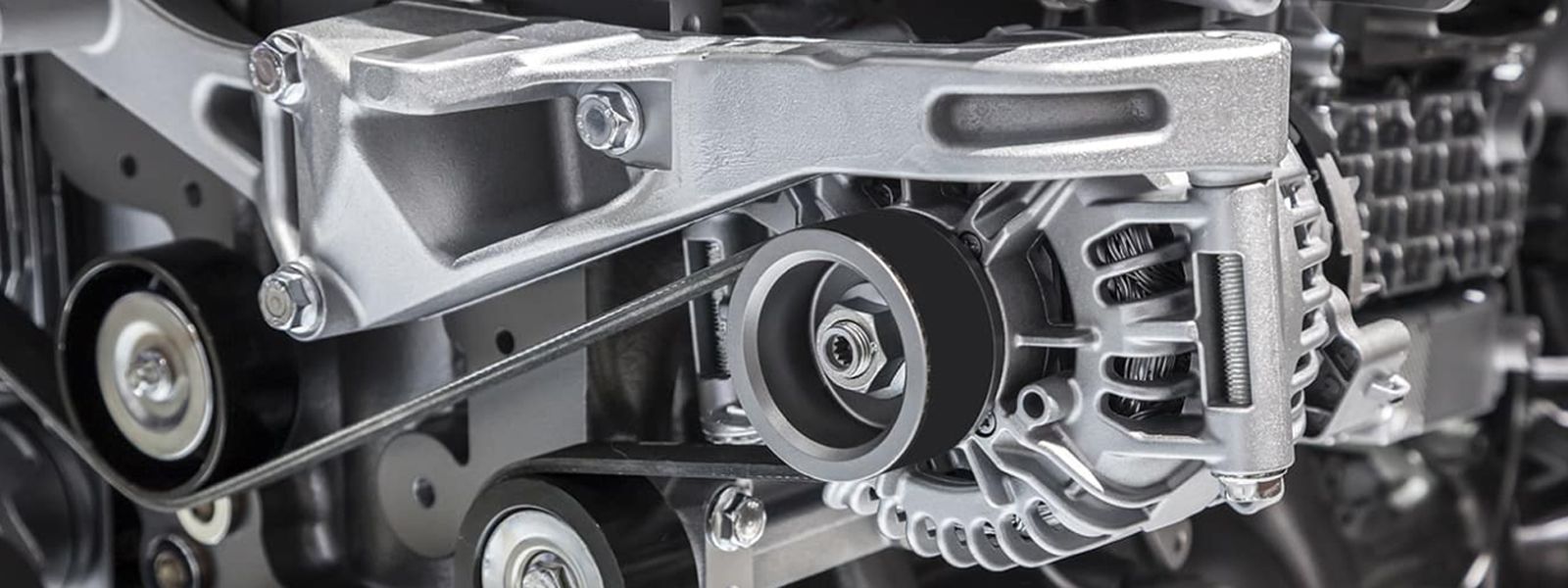
How to Test Your Alternator
To test the vehicle's alternator, use a multimeter or voltmeter. First, measure the battery voltage with the engine idling - it should read 12.6-12.8 volts. Then, rev the engine to 2,000-3,000 RPM and recheck the voltage - it should now be 13.8-14.8 volts, indicating the alternator is properly charging the battery. If the voltage stays below 13.8 volts when revved, the alternator may not be providing enough charge.
Next, turn on the headlights and other accessories - the voltage should remain in the 13.8-14.8 volt range, showing the alternator can handle the electrical load. As a final check, disconnect the positive battery cable with the engine running- the voltage on the battery side should drop quickly, verifying the alternator is supplying the current.
You can also test the alternator's output amperage by clamping the multimeter around the output wire. These systematic tests can diagnose if the alternator is functioning properly or needs replacement.
In summary:
Alternator testing focuses on the charging system's ability to keep the battery charged and power the electrical loads. Battery testing focuses on the condition and charge level of the battery itself, regardless of the alternator's performance.

FAQs
Can a Bad Battery Mess up an Alternator?
A failing battery can cause issues for the alternator. It may overcharge the battery, provide insufficient electrical load, create voltage spikes, or increase demands on the alternator. While a bad battery doesn't directly cause alternator failure, it can contribute to alternator-related problems.
Why Does an Alternator Go Bad?
Alternators can fail due to normal wear and tear, voltage regulator problems, electrical overloads, environmental damage, and age, necessitating replacement as part of routine vehicle maintenance.
Can You Drive a Car With a Bad Alternator?
You can temporarily drive with a bad alternator, but it's not recommended. Without a working alternator, the battery will quickly drain, causing loss of lights, ignition failure, and potential battery damage.
Can You Drive a Car With a Bad Battery?
Driving with a bad battery is generally not advisable. A dead battery won't provide enough power to start the vehicle or reliably run the electrical systems. This could lead to being stranded, electrical failures, and even alternator damage, while you may be able to drive short distances in an emergency.


