Are Struts And Shocks The Same Thing?

Differentiate between struts and shocks and determine whether they are interchangeable or have distinct roles in a vehicle's suspension system


When it comes to maintaining the suspension of your vehicle, car struts and shocks are two components that are frequently discussed as they both play a crucial role in ensuring that your car's tires remain in contact with the road surface. While they may sound similar, they serve different purposes and have their unique features.
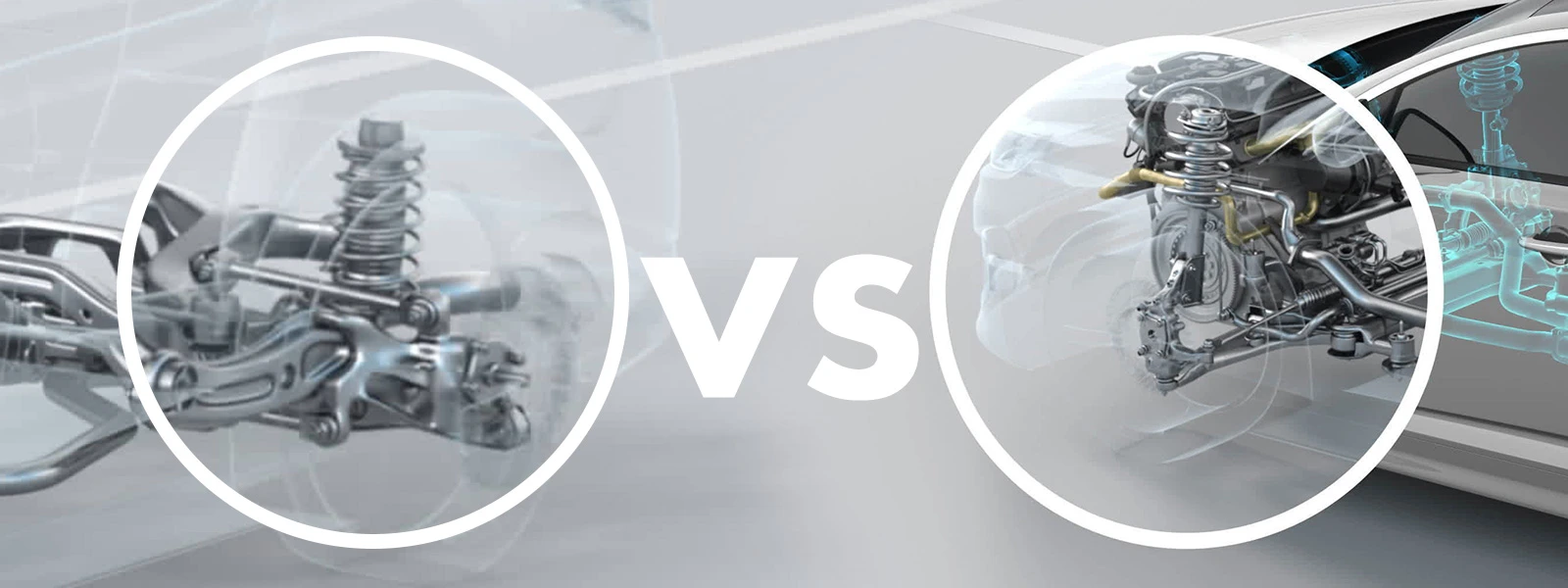
Car struts vs shocks, what are the differences?
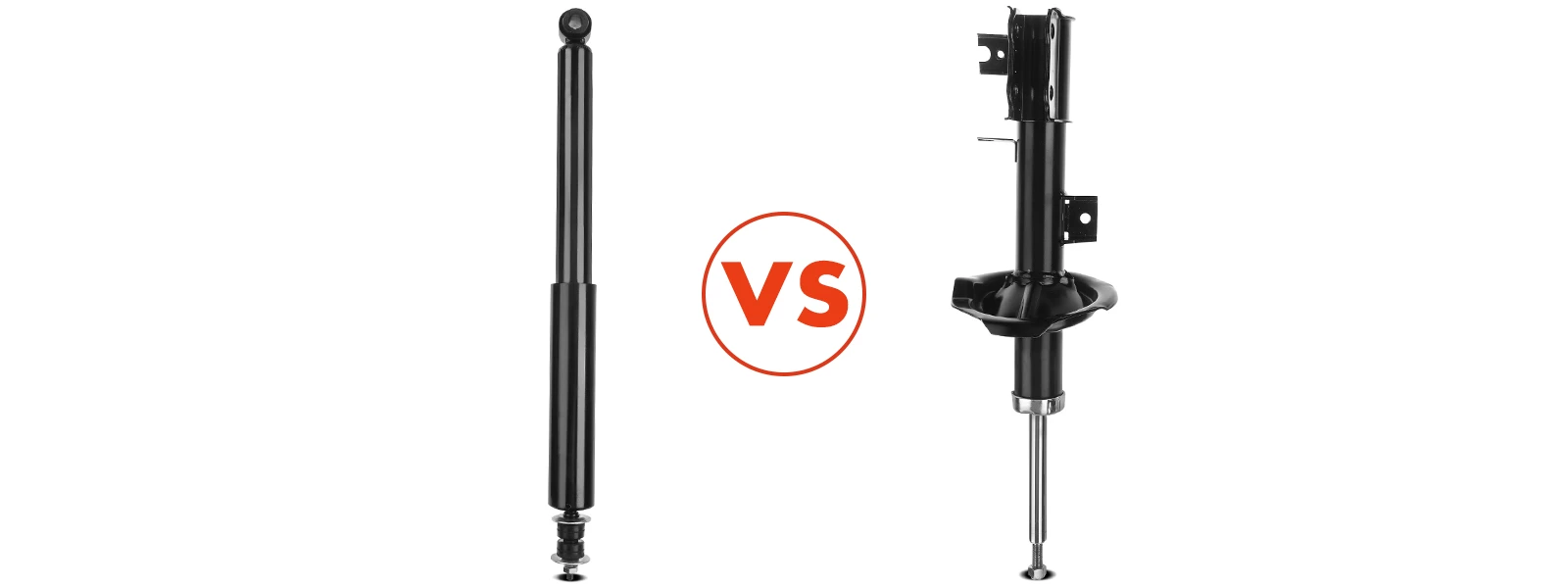
You may hear people mention or discuss shocks and struts interchangeably many times. Despite the fact that both can enhance the ride and handling of your vehicle, they operate in distinct ways. Shocks are singular elements of the suspension system, while struts are a crucial structural element of both the chassis and suspension system.
What do shocks do?
Although it may be a common belief, traditional shock absorbers do not bear the weight of the vehicle as their main function. Rather, their primary role is to manage the movement of the suspension and springs. This is achieved by converting the kinetic energy generated by suspension movement into heat energy, which is then dispersed through the hydraulic fluid.
The level of opposition produced by a shock absorber is reliant on the speed of the suspension and the number and dimensions of the minuscule openings or apertures in the piston. Modern shock absorbers are all hydraulic damping mechanisms that react to changes in velocity, indicating that they give more resistance when the suspension is moving more quickly. This enables the shock absorbers to adapt to different road surfaces and lessen the occurrence of bouncing, rolling and swaying caused by worn-out shocks that can no longer regulate the pace of weight transfer, brake dive, and acceleration squat.
Shock absorbers operate by using fluid displacement to manage both the compression and extension cycles. In general, a car or light truck will encounter greater resistance during its extension cycle than its compression cycle. The compression cycle influences the movement of the vehicle's unsprung weight, whereas the extension cycle manages the heavier sprung weight.
How do shocks work?
Shock absorbers function as oil pumps, where a piston is connected to the end of a piston rod and opposes the hydraulic fluid inside the pressure tube. Shock absorbers work by converting kinetic energy (energy of motion) into heat energy, which is then dissipated into the atmosphere. They consist of a piston connected to a piston rod that moves inside a cylinder filled with hydraulic fluid. The cylinder is divided into two chambers by the piston, with one chamber connected to the wheel assembly and the other to the vehicle's chassis.
As the wheel assembly moves up and down, the piston inside the cylinder compresses and releases the hydraulic fluid through tiny orifices. This restricts the flow of hydraulic fluid, which in turn slows down the movement of the piston and wheel assembly, thus reducing the impact of the bump or pothole. The hydraulic fluid also acts as a heat sink, absorbing the energy created by the compression and release of the piston.
What do struts do?
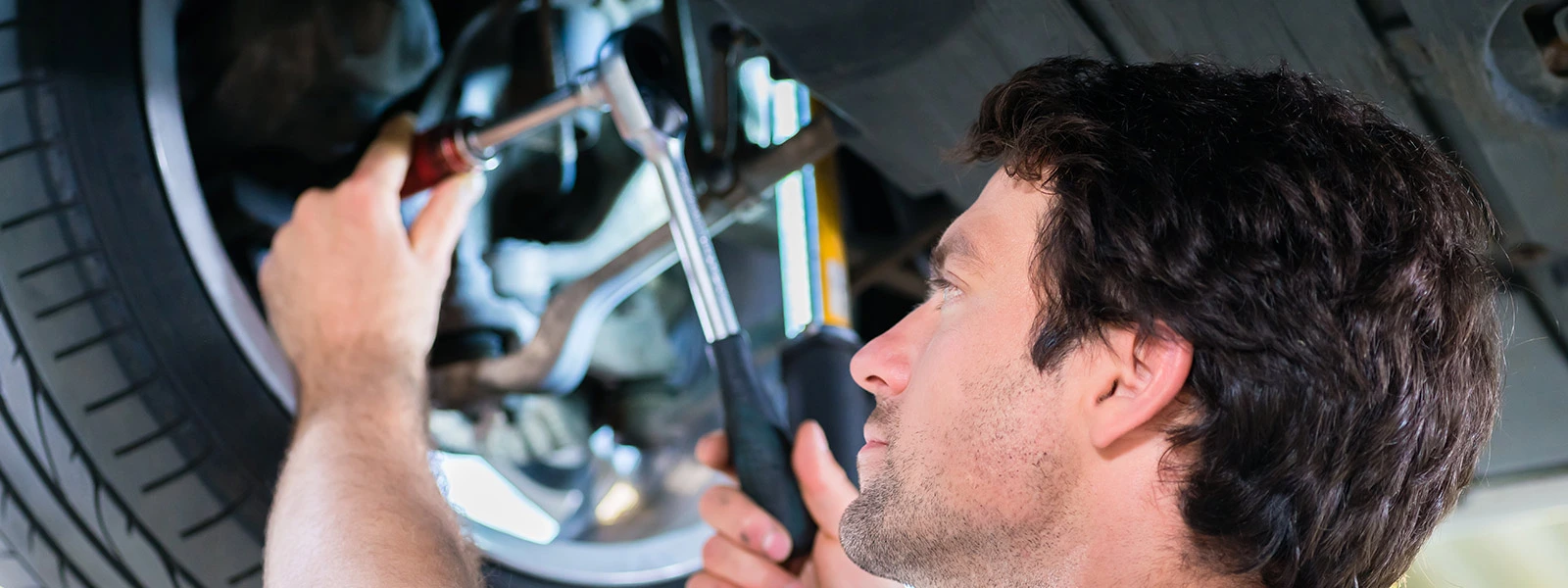
Many modern independent suspension, front-wheel drive vehicles, and even some rear-wheel drive vehicles commonly utilize struts as a type of damper. Essentially, a strut serves as a significant structural component of a vehicle's suspension system, replacing the conventional upper control arm and upper ball joint. Due to its unique design, a strut is a more lightweight and space-efficient alternative to the shock absorbers commonly found in conventional suspension systems.
The main function of struts is to carry out two major tasks. Firstly, they perform a damping function, similar to shock absorbers. This is achieved via a piston attached to the end of the piston rod, which works in conjunction with hydraulic fluid to manage spring and suspension movement. As with shock absorbers, the valving generates counterforce to oppose the effects of the suspension's up-and-down motion. Additionally, struts are velocity sensitive, meaning that the level of resistance can be adjusted based on the speed at which the suspension is operating, similar to shock absorbers.
Struts are also responsible for performing another important function. In contrast to shock absorbers, struts offer support to the structure of the vehicle's suspension, holding the spring and keeping the tire aligned. Furthermore, they bear a significant amount of the lateral load applied to the suspension, influencing not only the ride quality and handling but also the vehicle's control, braking, steering, wheel alignment, and wear on other suspension components.
How do struts work?
Struts work by using a combination of hydraulic fluid and a spring to dampen the movement of the vehicle's suspension system. They consist of a piston attached to a piston rod that moves inside a cylinder filled with hydraulic fluid. The cylinder is also fitted with a coil spring that supports the weight of the vehicle and helps to absorb and dissipate energy when the wheels travel over bumps or potholes.
When the wheels encounter an uneven surface, the strut's piston compresses and releases the hydraulic fluid through tiny orifices, which slows down the movement of the piston and wheel assembly. The coil spring also compresses and releases, absorbing and dissipating energy created by the movement of the wheels.
Can I install both shocks and struts on the same vehicle?
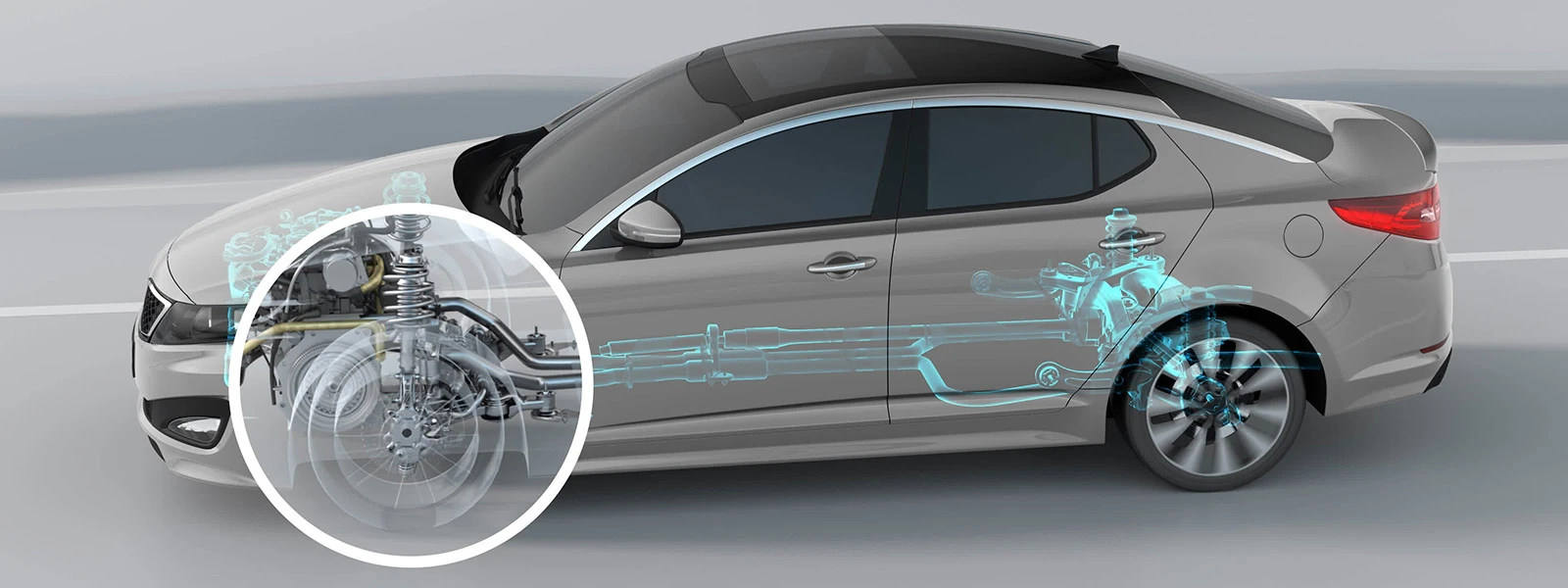
To add to the confusion surrounding shocks and struts, the answer is yes. It is not rear to see cars and trucks with struts installed on the front axle and shocks on the rear axle. The main point to remember is that every wheel on a vehicle is equipped with a component for controlling the ride.


FAQs about the differences between shocks and struts
- Can I use a shock instead of a strut, or vice versa?
No, shocks and struts are designed for different types of suspension systems and are not interchangeable. Using the wrong component can result in poor handling and increased wear and tear on other suspension parts.
- Shocks or struts, Which is better?
There is no definitive answer to this question as both shocks and struts have their advantages and disadvantages depending on the specific application. Generally, struts are better for vehicles with heavier loads and provide more support, while shocks are better for vehicles that require more precise handling and responsiveness.
- What is the main difference between shocks and struts?
Shocks are separate components that are used to control the movement of the suspension, while struts combine the shock absorber and other suspension components into one unit.
- How can I tell if my vehicle has shocks or struts?
This information can usually be found in your vehicle's owner manual, or you can consult with a mechanic or automotive expert. You can also look under your vehicle to see if the suspension components are separate shocks or combined struts.
- How often should shocks and struts be replaced?
In general, shocks and struts should be inspected regularly and replaced every 50,000 to 100,000 miles. Signs that they may need to be replaced include excessive bouncing, drifting or swaying, and uneven tire wear. But the replacement frequency can also depend on the make and model of your vehicle.
- Should I replace all four shocks or struts at once?
While it's not always necessary to replace all four shocks or struts at once, it's generally recommended to replace them in pairs (i.e., both front or both rear). This helps ensure that the suspension is balanced and provides consistent handling and ride quality.


