All you need to know about the fuel filter

The fuel filter is a critical component that removes impurities from the fuel, ensuring smooth engine operation and protecting vital fuel system components.
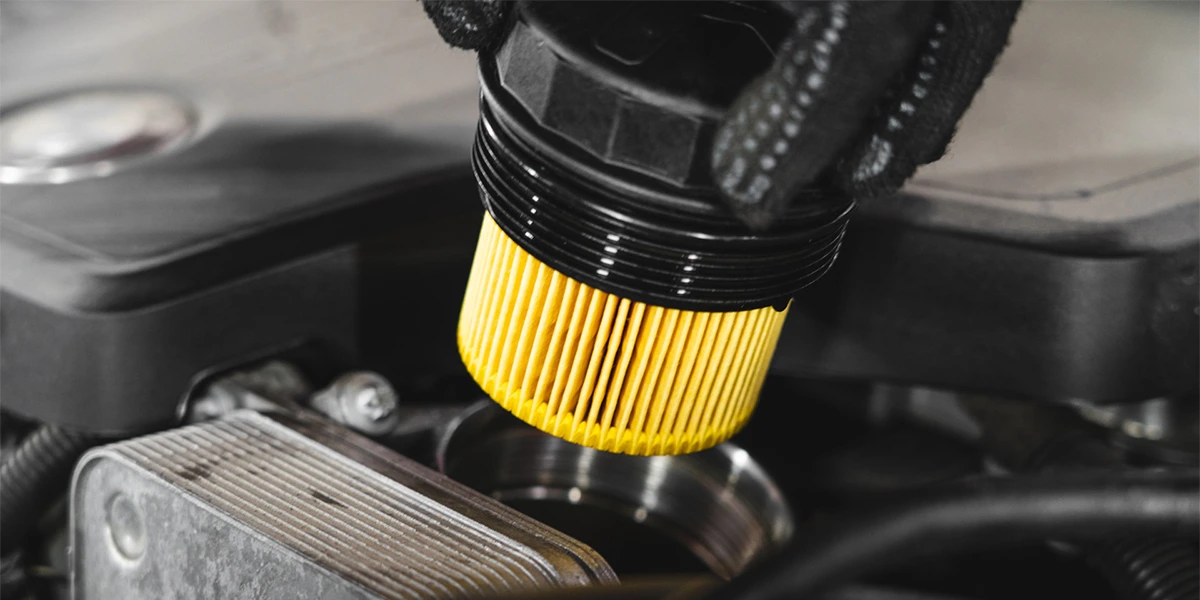
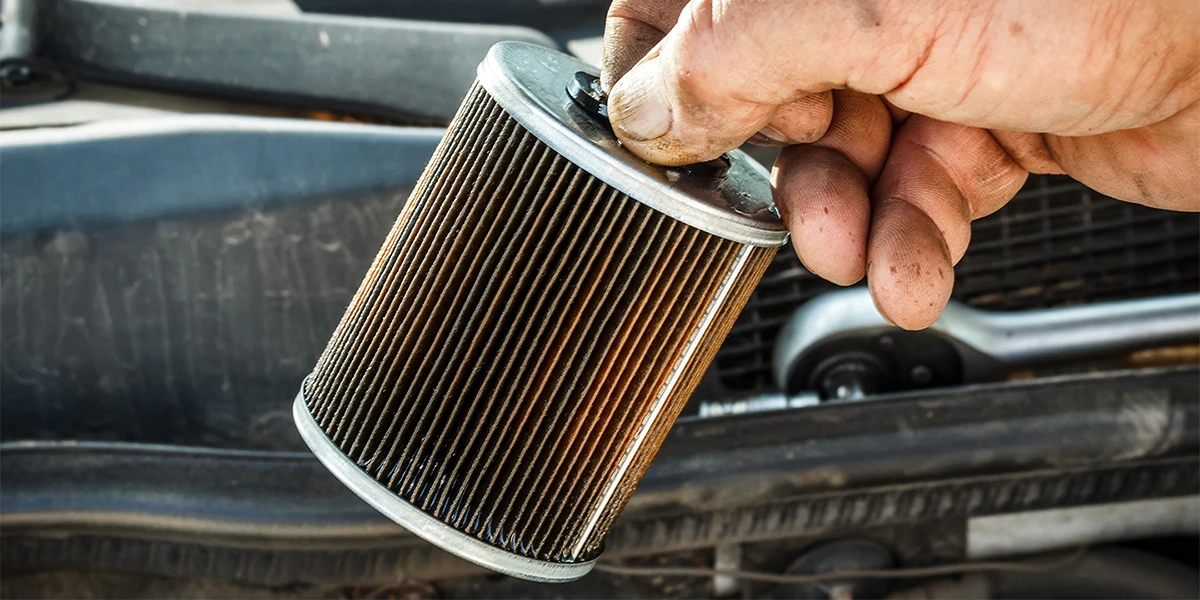
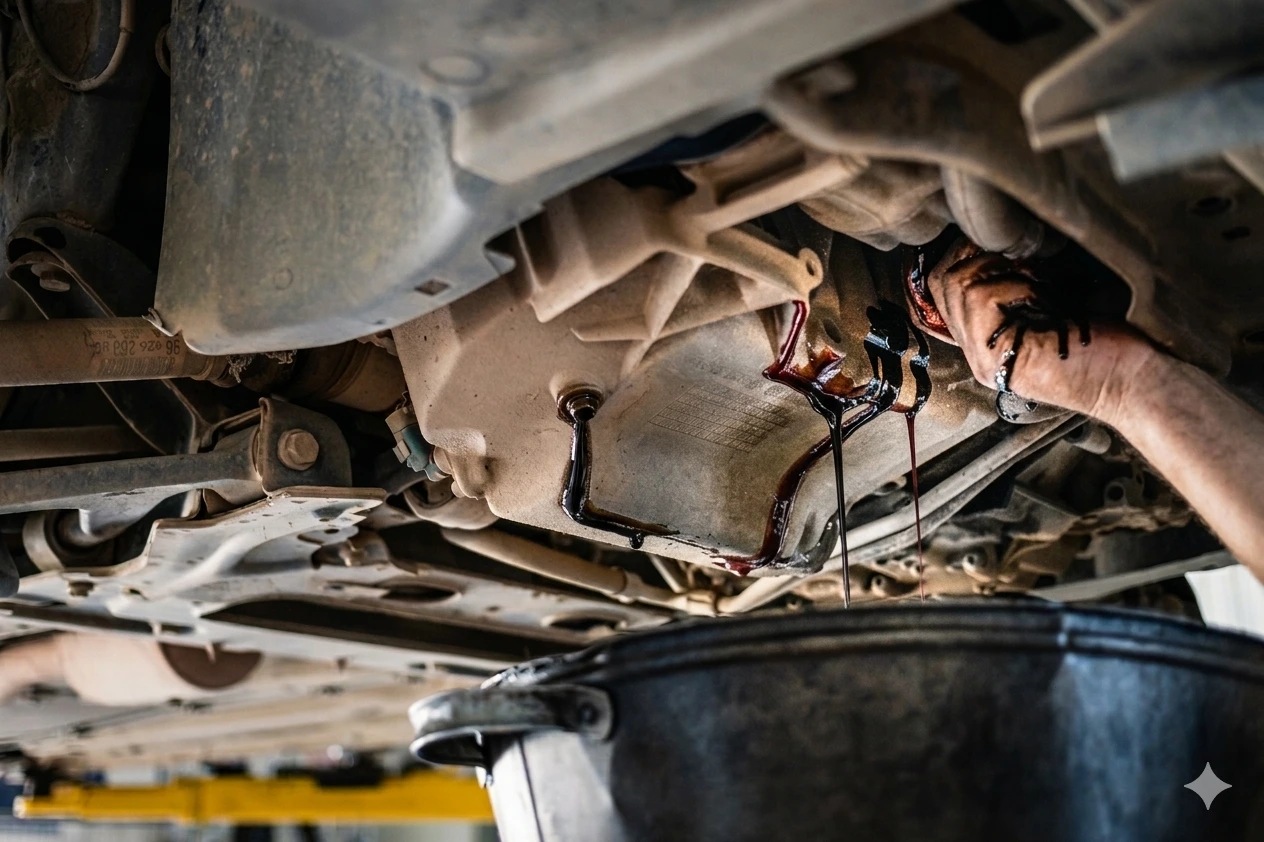


The fuel system is the lifeblood of any vehicle and is responsible for delivering clean, contaminant-free fuel from the tank to the engine. Ensuring this system's smooth and efficient operation is critical, which is where the humble fuel filter comes into play. Though small, this unassuming component plays a vital role in removing impurities and keeping your engine running at its best. For many drivers, the fuel filter is an automotive component that often goes unnoticed until it starts to fail.
What is a fuel filter
A vehicle's fuel system contains a crucial component known as the fuel filter. Fuel filters have different types, such as gasoline filters and diesel filters. As a fuel cleaner, its chief purpose is to cleanse the fuel of impurities and contaminants before the fuel reaches the engine. Trapping dirt, rust, and other debris, the filter works to safeguard sensitive fuel system parts, such as fuel pumps and fuel injectors, from potential damage.
Many fuel filters are placed along the fuel line, often near the fuel tank or close to the engine. Some are integrated directly into the fuel pump assembly. In rear-wheel drive vehicles, the fuel filter may be located underneath the car, while front-wheel drive models often have the filter housed in the engine bay.

What are the symptoms of a bad fuel filter
As a general rule, for cars in normal driving conditions, their fuel filters should be replaced for every 30,000 to 50,000 miles to keep the normal working of a fuel filter. Here are some symptoms of a bad fuel filter, which can help you to check your car’s fuel filter.
Diminished Engine Power and Responsiveness: The restricted fuel flow caused by a blocked filter forces the engine to work harder, resulting in a noticeable loss of power and hesitation when accelerating.
Reduced Fuel Efficiency: The engine's struggle to overcome the limited fuel supply leads to lower miles per gallon.
Rough Idling and Stalling: Insufficient fuel reaching the engine can cause it to run unevenly, especially at idle or under load, potentially leading to stalling.
Difficulty Starting: A blocked filter may prevent enough fuel from getting to the injectors, making it challenging to start the engine.
A clogged or malfunctioning filter can restrict fuel delivery, which may manifest through symptoms like difficulty starting the engine, rough idling, or diminished power output. Prompt identification and resolution of fuel filter problems are critical for preserving a vehicle's performance and longevity.
How to change your fuel filter
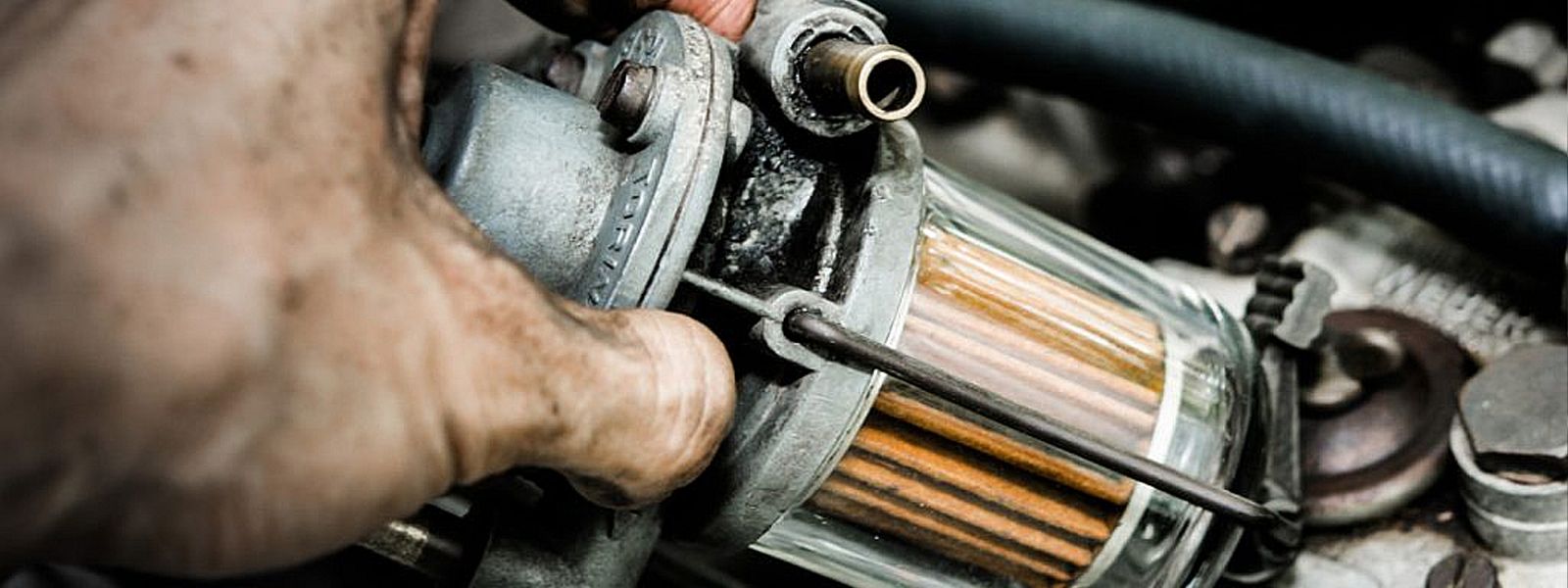
Regularly swapping out the fuel filter is essential for sustaining your vehicle's peak engine performance and fuel efficiency. It is an important maintenance task, but changing a car's fuel filter can be a bit daunting for some vehicle owners. However, with the right information and a little caution, it's a job that many DIY mechanics can handle themselves.
Before starting, be sure to consult your owner's manual to understand the specific location and replacement requirements for the fuel filter in your make and model.
Begin by relieving the fuel system pressure to prevent any potential leaks or sprays. You can do this by removing the fuel pump fuse or relay and running the engine until it stalls. With the pressure released, securely park your vehicle on level ground and engage the parking brake. Using a jack and stands can provide better access to the filter if needed.
Confirm the location of the fuel filter. Beneath the fuel filter position a drip pan to catch any spilled fuel. Appropriate tools are employed to disconnect the fuel lines and unbolt or unclamp the old filter from its mounting.
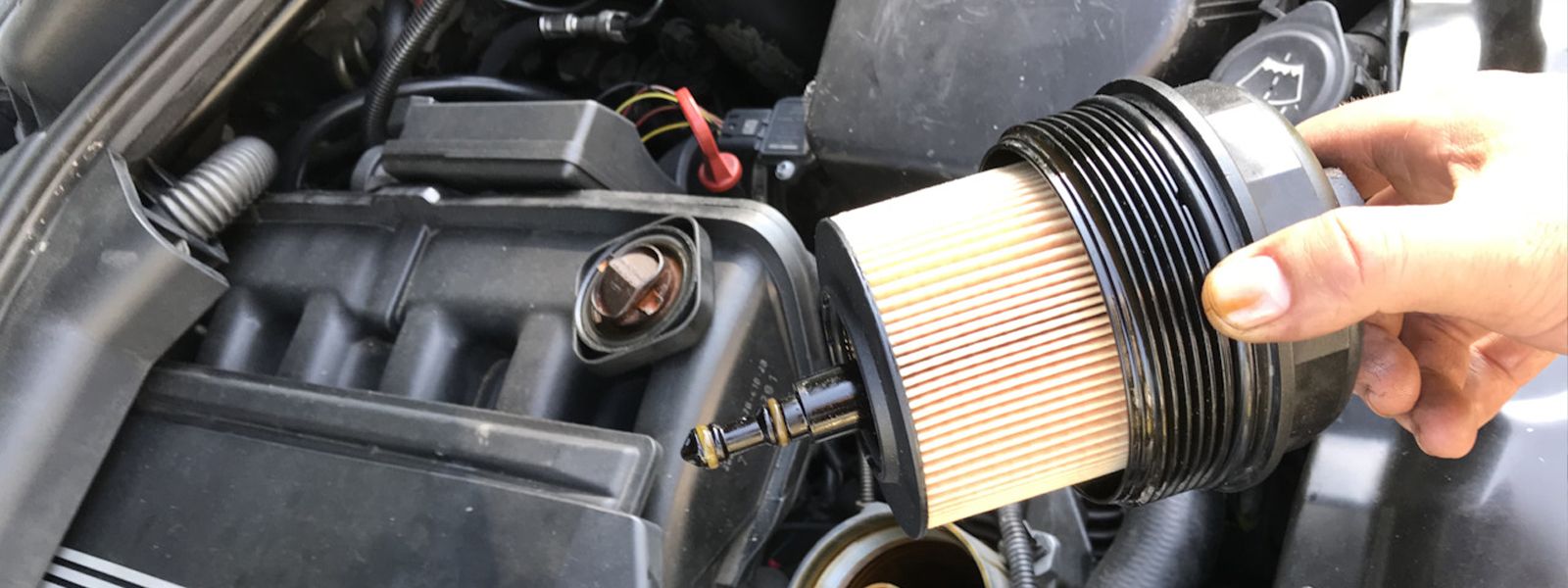
What to consider when looking for a fuel filter
When shopping for a replacement fuel filter, there are several key factors to weigh to ensure you get the right component for your vehicle. First and foremost, you'll need to confirm the fuel type - whether it's gasoline, diesel, or some alternative - as this will determine the appropriate filter media and construction. Fuel filters designed for gasoline engines may not adequately protect a diesel system, and vice versa. Getting the correct fuel filter type is critical.
Additionally, please pay close attention to the filter's flow rate specification, ensuring it can adequately support your engine's fuel demand, especially for high-performance applications. Insufficient flow can starve the engine of necessary fuel, leading to power loss and drivability issues. The micron rating, which indicates the filter's ability to trap small contaminants, is another important consideration. Generally, a higher micron rating offers enhanced protection for sensitive fuel system parts like fuel injectors and fuel pumps.
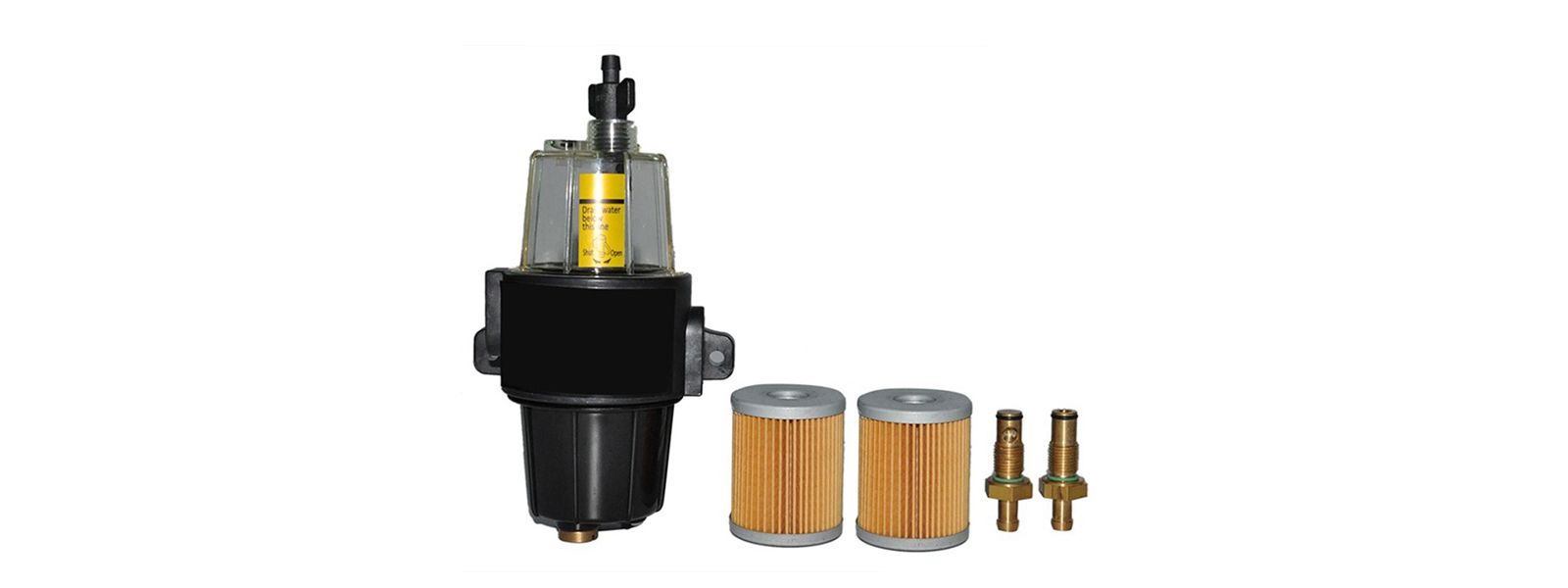
Trust A-Premium when buying fuel filters
If you are looking for a new fuel filter, be sure to select a fuel filter from a trusted aftermarket brand known for quality and reliability. Brands like A-Premium offer a wide variety of fuel filters engineered to meet high standards. Moreover, A-Premium provides considerate customer service, including free shipping, a 90-day free return policy, a 2-year warranty, and 24/7 customer support. With the right filter in place from a reputable supplier like A-Premium, you can help ensure optimal engine performance and longevity for many miles to come.


