A Historical Review of the 10th Generation Accord

The Honda Accord has evolved through 10 generations, with each iteration introducing new features and improvements. The current tenth-generation model offers turbocharged engines and a focus on lightweight construction.
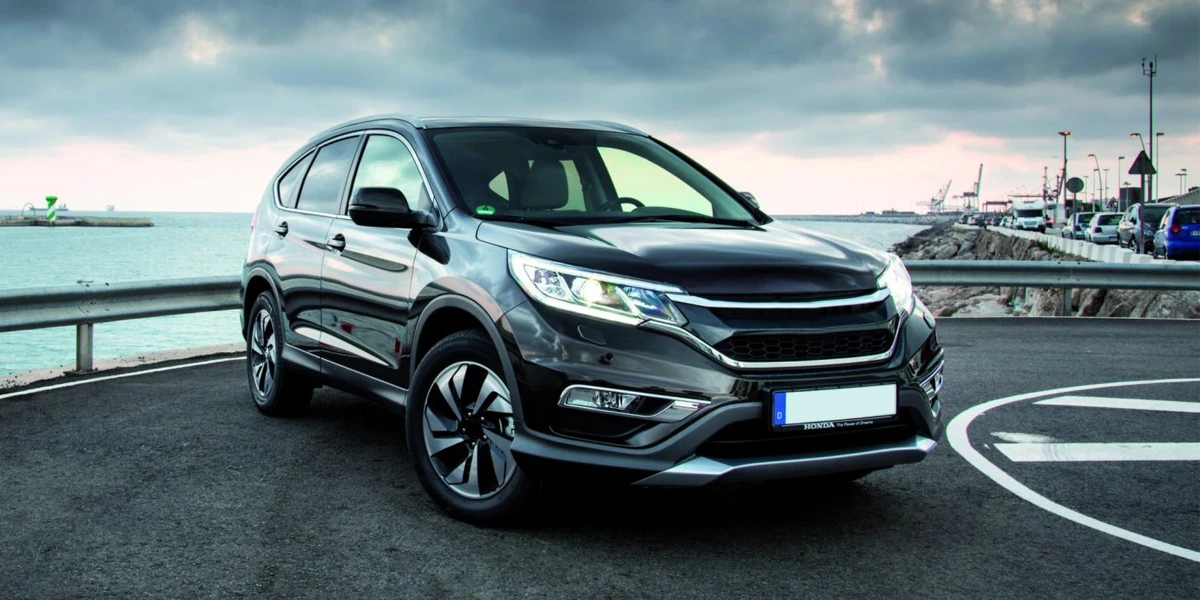
When you think of Honda, which model do you think of first? Is it the first-generation Honda NSX that is astonishingly capable and challenges Ferrari? Or the Honda S2000, which is compact but has a high-pitched sound? Or is it the Honda Civic Type-R, which has long been the fastest front-wheel drive car because of its small size? Or...the most stylish Honda Gold Wing on the street? But for most Honda fans, buying a car ultimately comes back to the family. It is more likely that you will buy a decent CR-V, or maybe an ordinary Accord, and you will really appreciate it when you go out with your wife and children and put your young child in the rear safety seat. to the responsibilities that a father should have. Let us take advantage of the tail of youth to review the past and present life of Accord.
The first generation of Accord (1976-1981)
Similar to the Civic, the larger Honda Accord has been produced for a total of ten generations. The first generation Accord was launched as early as 1976. It started out as a three-door hatchback before being introduced as a four-door sedan in 1979. Power comes from a 1.6-liter engine with 68 horsepower sent to the wheels via a 5-speed manual transmission. The four-door sedan launched subsequently used a 1.8-liter engine and was also equipped with a power steering system.
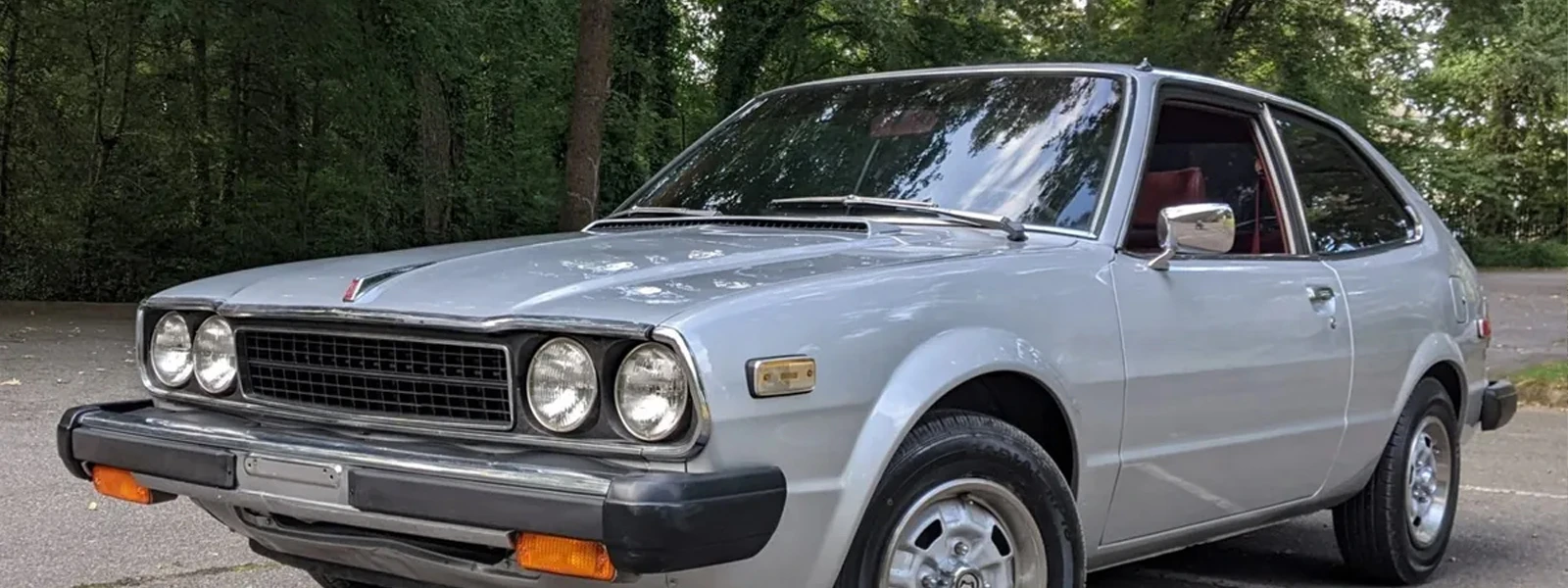
Second generation Accord (1981-1985)
As the first Japanese car to be assembled in the United States, the second-generation Accord is larger than its predecessor and has a completely different appearance than its predecessor. In 1983, it gained an optional four-speed automatic transmission, the engine displacement was adjusted from 1751cc to 1830cc, and the peak horsepower was 86 horses. In 1985, with the advent of the Accord SEi, its electronic injection engine could output 101 horsepower and was widely loved by people.
Third generation Accord (1985-1989)
This time, the Accord's exterior design has become more rounded, and the overall shape is more like a coupe. On this generation of Accord, Honda adopted double wishbone suspension for the first time, and the aerodynamic design of the body has been further optimized. Honda has further increased the engine displacement. The 2.0-liter regular engine can output 98 horsepower, and the electronic injection engine can output 110 horsepower. Also, this is a model with flip-up lights.
Fourth generation Accord (1989-1993)
The body size of the fourth-generation Accord has been further improved, fully meeting the status of a mid-size sedan. Honda has increased the Accord's practicality by adding a station wagon that replaces the hatchback. The displacement and horsepower have also been upgraded. The 2.2-liter engine of the flagship EX model can explode to 130 horsepower. The four-speed automatic transmission even has a sport mode that allows the driver to select gears manually. Unfortunately, due to regulations, flip-up lights are no longer available on the Accord.
Fifth generation Accord (1993-1997)
Based on the 2.2-liter engine, the fifth-generation Accord uses VTEC technology for the first time! This is a 2.7-liter V6 engine with a peak power of 170 horsepower and a peak torque of 224 Nm. Versions equipped with the larger engine have some design tweaks at the front to differentiate them from the four-cylinder models. Honda lengthened the wheelbase to increase rear legroom and came up with a sportier design.
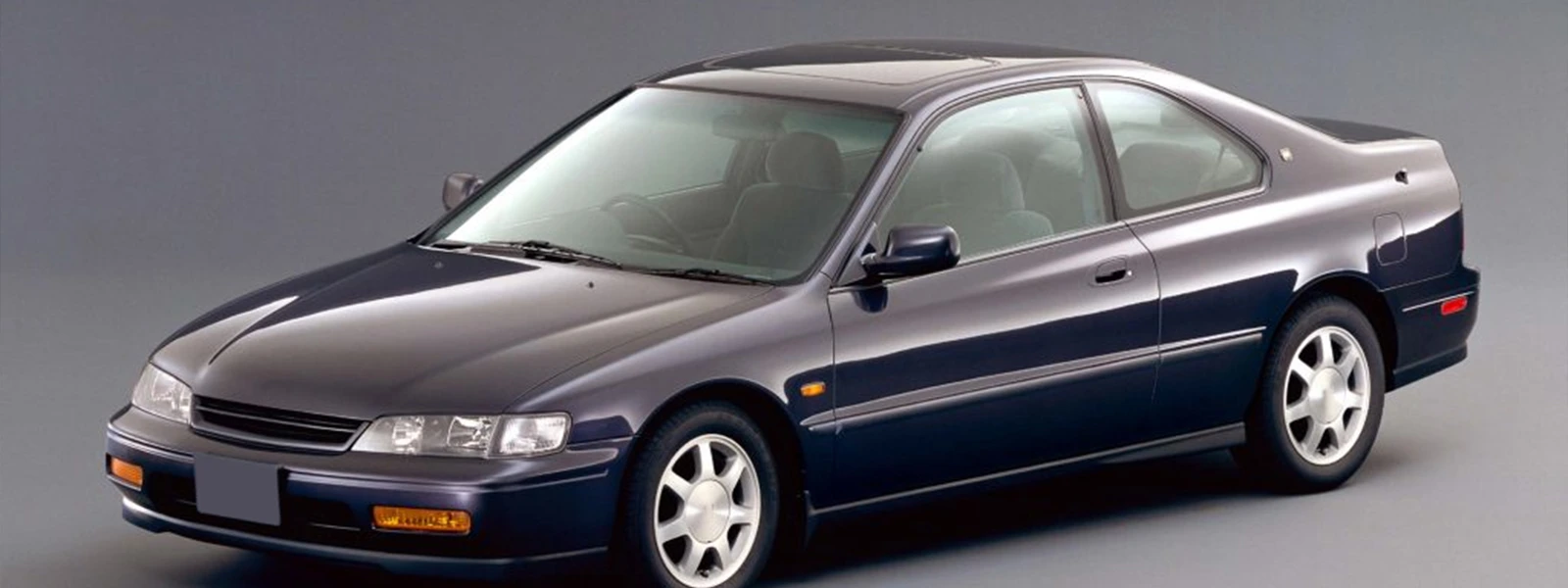
Sixth generation Accord (1997-2002)
The sixth-generation model no longer uses the wagon body style, retaining only the coupe and traditional sedan. The coupe model was developed in North America and has a slightly shorter wheelbase than the four-door model. Front airbags are available as standard, with side airbags available at an additional cost. The standard engine has a displacement of 2.3 liters and a peak horsepower of 135 horsepower, while the 3.0-liter V6 engine can produce 200 horsepower. This generation of Accord also carries the memories of a generation in China and is the most classic Accord model.
Seventh generation Accord (2002-2008)
In the seventh generation, the Accord's engine has become more powerful. Even the standard four-cylinder engine has 160 horsepower, while the 3.0-liter V6 engine equipped with VTEC technology can explode to 240 horsepower. After the mid-term facelift, the horsepower has been further improved, and the total output power of the V6 engine has even reached 253 horsepower, which is very close to the current level. The seventh-generation Accord is also the first Accord model to be equipped with a manual transmission + V6 engine.
Eighth generation Accord (2008-2012)
The body size of the eighth-generation Accord has been further increased to improve interior space and comfort. In terms of appearance, the visual difference between the coupe model and the sedan has also become greater. The new 3.5L V6 engine can provide 268 horsepower and is available with a manual transmission. After the mid-term facelift, the 2010 Accord launched the crossover model Crosstour fastback, also known as Geshitu in China, to greatly increase the interior space and practicality of the car. The Xinge Shitu is 7cm wider than the Accord sedan and weighs about 136kg more.
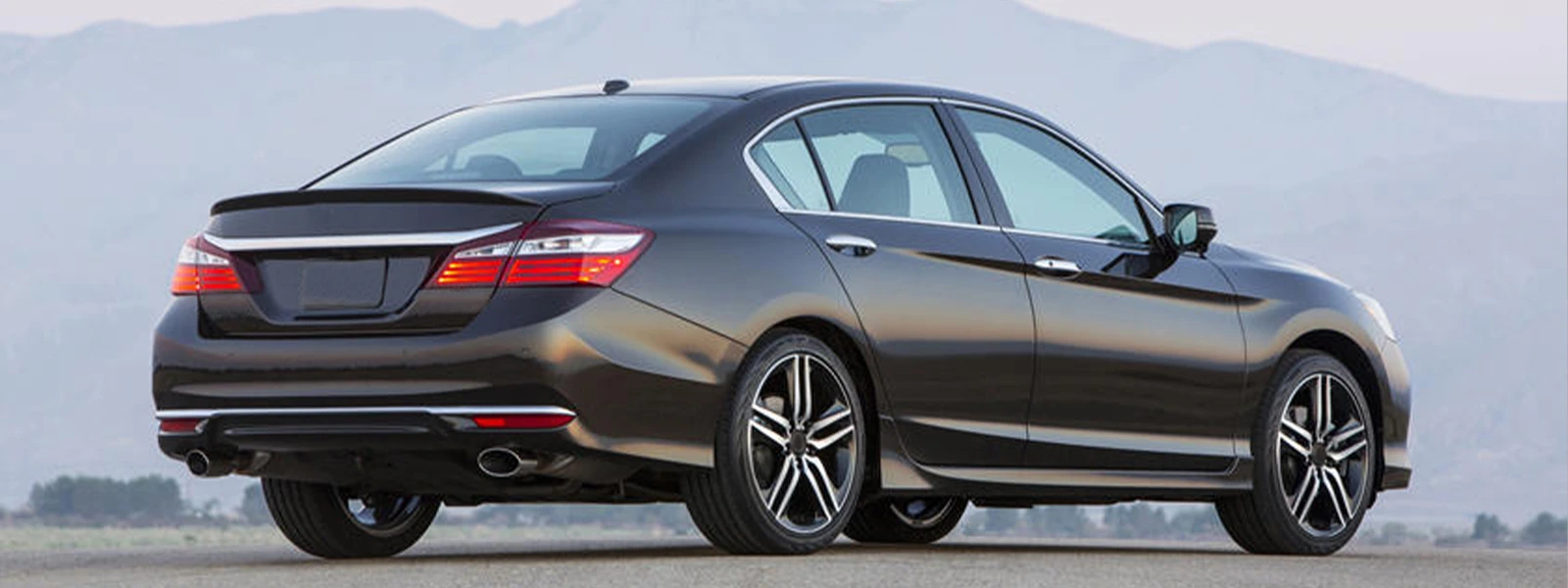
Ninth generation Accord (2012-2017)
The ninth-generation Accord has been completely updated and made more sporty. The standard 6-speed manual transmission, more power than other four-cylinder models, dual exhaust outlets on both sides, and customized wheels all highlight the Accord's sporty performance. In addition, Honda's i-MMD hybrid system also appears on the Accord for the first time, and its fuel economy is very outstanding.
The tenth generation Accord (2017-present)
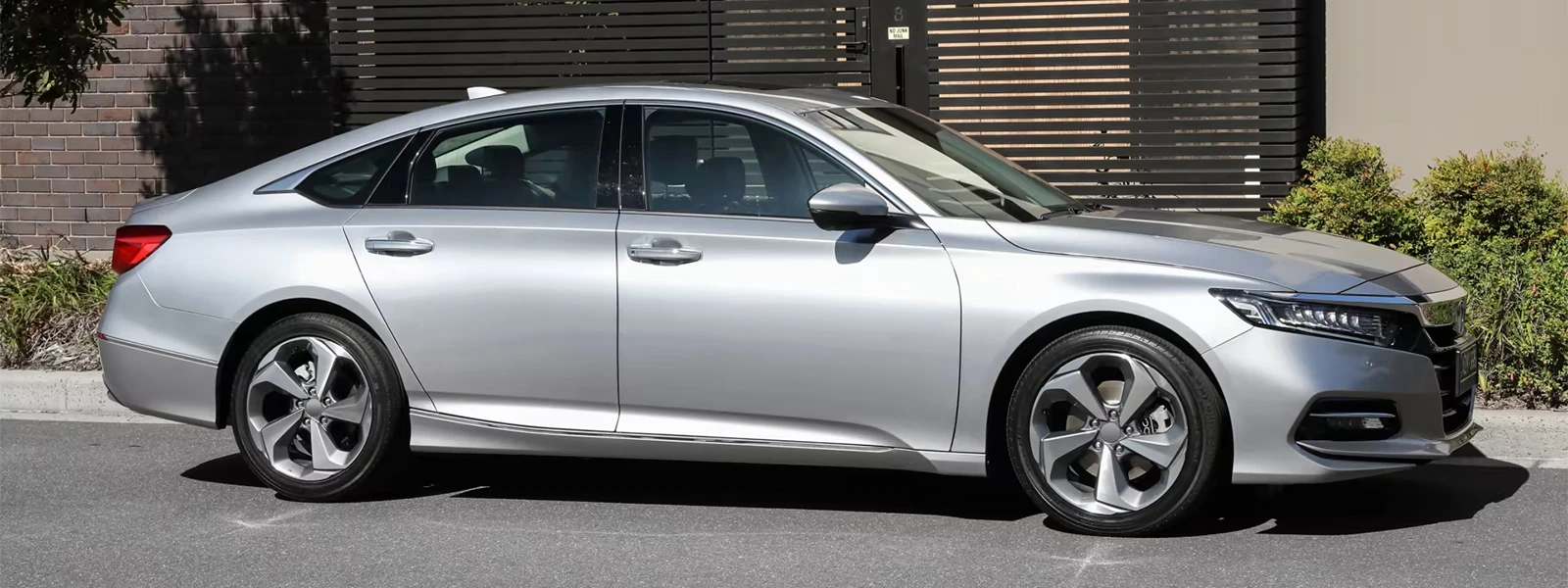
As for the current generation of Accord, the coupe model and V6 engine have completely bid farewell to us. The standard 1.5-liter turbo engine can produce 194 horsepower, while the 2.0-liter turbocharged engine that has not entered the country can produce 254 horsepower, and the hybrid version can also provide 214 horsepower. Although it is larger than the previous generation model, the tenth-generation Accord has reduced weight through greater use of aluminum and ultra-high-strength steel, successfully losing 50 to 80 kilograms depending on the configuration.


