A Guide to Air Suspension Compressors

Understanding the importance of an air suspension compressor is crucial for vehicle owners, this compact yet powerful part is responsible for managing the air pressure within the suspension system, which in turn adjusts the vehicle's ride height.


The air suspension system in your car relies on an air suspension compressor to produce the necessary pressurized air for inflating the springs. Despite its small size, the air ride compressor is a crucial part of the air suspension system, essentially acting as the driving force behind its functionality. Here are some key points to understand about it.
What is an air suspension compressor
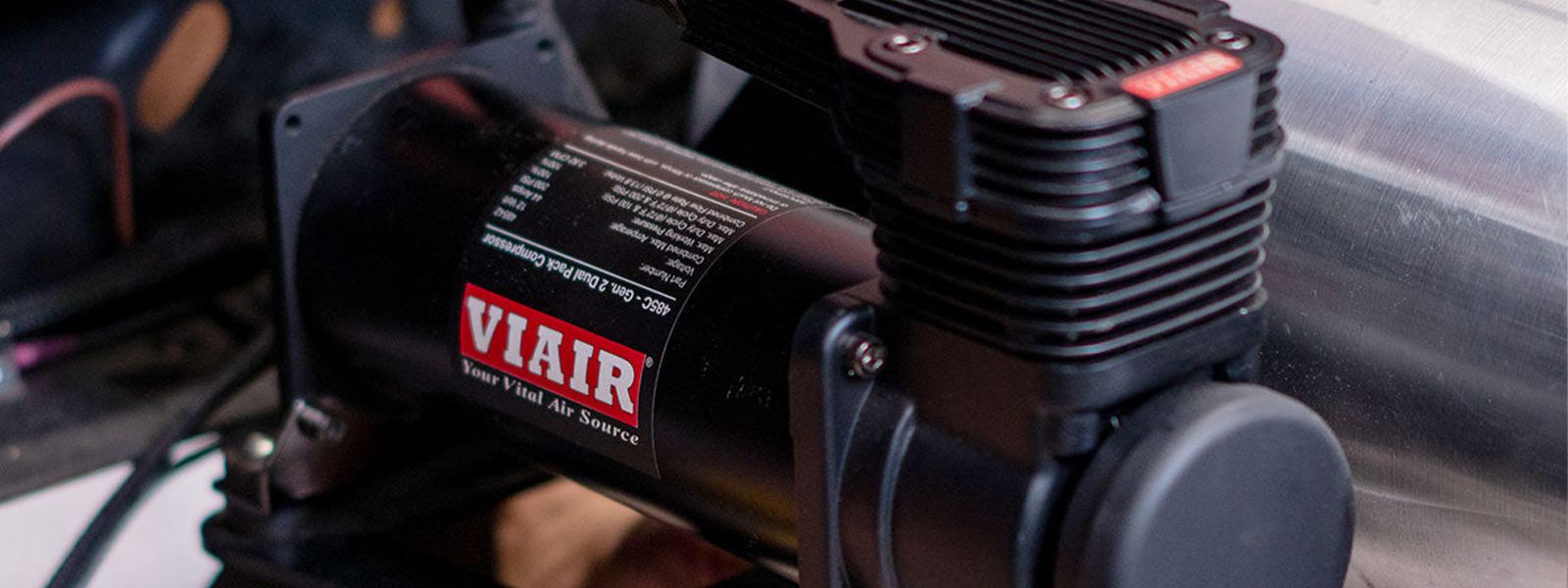
A vehicle's air suspension compressor plays an essential role in the air suspension system by producing and regulating the compressed air needed for the air springs' inflation. It operates by drawing in air, compressing it to a higher pressure, and then storing this compressed air in a reservoir. When the vehicle's suspension needs adjustment, such as to level out after a load change or to adapt to varying road conditions, the stored air is directed to the air springs. This inflation adjusts the vehicle's height and stiffness, ensuring a smooth and comfortable ride.
One or two air suspension compressors
When designing an air suspension setup, you'll need to decide on a single or dual compressor configuration. The choice between one or two air suspension compressors hinges on the vehicle's specific design and performance needs.
Air suspension systems can be configured with either a single or dual compressor setup. A single air suspension compressor is often sufficient for vehicles with lower air demand, as it efficiently supplies the necessary pressure for the air spring and the shock absorber. Conversely, a dual compressor system is favored for larger, heavier vehicles or those that require a more agile suspension response. The dual setup enhances efficiency by allowing both compressors to operate in tandem for swift air spring inflation, particularly during heavy loads or towing. It also offers redundancy, ensuring that if one compressor fails, the other can sustain air pressure, keeping the suspension functional. Additionally, load sharing between two air ride compressors can prolong their lifespan and mitigate the risk of overheating under strenuous conditions.
When to replace your air suspension compressor

While air suspension compressors are typically robust, addressing potential issues early can prevent more significant expenses. It's important to watch for these key indicators:
- Extended Height Adjustment Times: Excessive duration for the vehicle to regulate its height may suggest insufficient pressure from the compressor.
- Non-stop Compressor Activity: It's abnormal for a compressor to operate incessantly; this could point to a leak or another underlying problem forcing it to overwork.
- Failure to Sustain Proper Elevation: If the car fails to preserve the correct height, it might indicate the compressor is leaking pressure or has ceased to function.
- Abnormal Sounds: Uncharacteristic sounds emanating from the compressor could signal internal deterioration or damage.
- Odors of Burning: The presence of a burnt smell near the compressor could denote overheating, potentially foreshadowing an imminent malfunction.
Testing an air suspension compressor for power and leaks
If you've concluded that your air suspension system needs an upgrade, start by assessing the current state of your air suspension compressor. To perform this test, connect a pressure gauge to the hose that interfaces between the compressor and the vehicle's suspension system. This setup will help you detect any pressure leaks within the system.
After connecting the gauge, engage the ignition without starting the engine, which will purge any residual air from the line through the bottom tire. If there are no leaks, the pressure gauge should initially spike and then settle. A deviation from this behavior upon re-engagement suggests that leaks are present either in the hose or at its connections. Identifying and addressing these leaks is crucial before proceeding with the installation of a new air ride compressor to ensure the issue isn't merely a faulty line rather than the compressor itself.
How to mount your air suspension compressor
Replacing an air ride compressor is a process that includes several key steps to ensure the system's safety and optimal performance. Here's a general overview of the procedure:
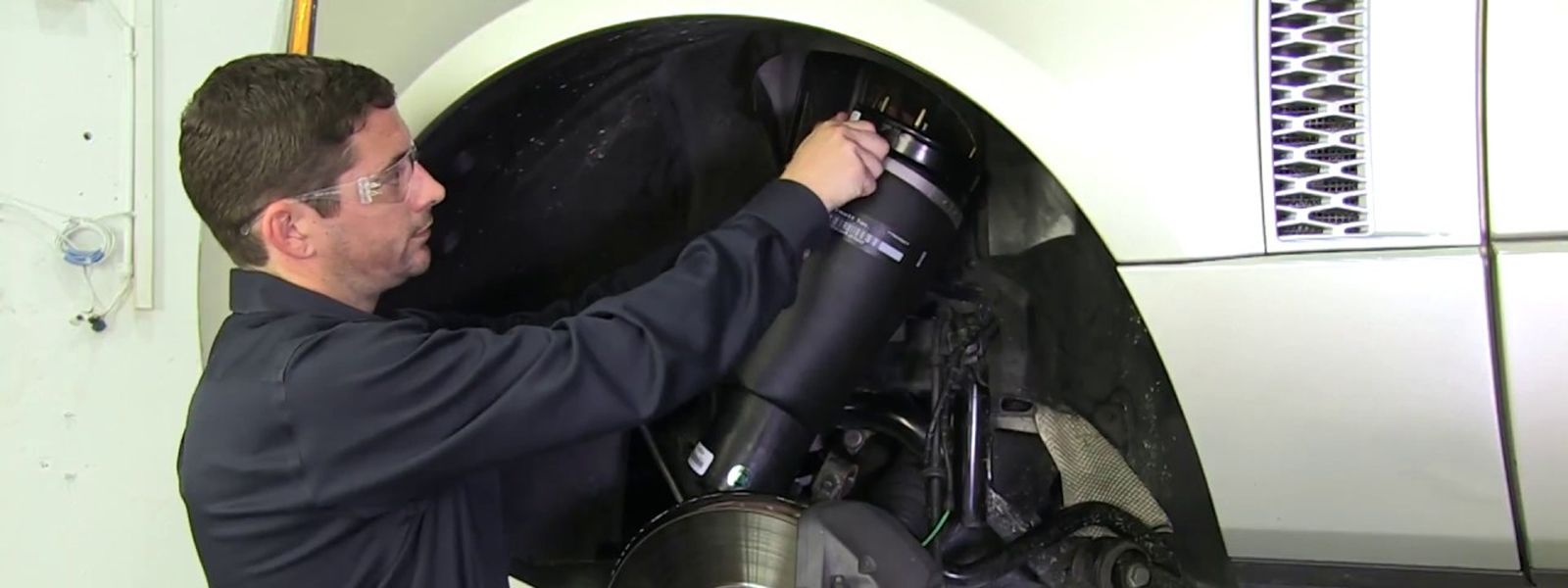
- Safety First: Disconnect the vehicle's battery to ensure safety during the replacement process.
- Remove the Old Compressor: Find the compressor, detach its air and electrical connections, and unscrew it from its mount.
- Prepare the Replacement: Verify the new compressor is suitable, and if needed, transfer brackets from the old unit. Place and secure the new compressor in position.
- Reattach Lines and Wires: Securely reconnect the airlines to the new compressor and follow the manufacturer's guide to wiring it properly.
- Finalize and Verify: Reconnect the battery, start the vehicle, conduct a thorough test for leaks, and confirm the compressor is functioning correctly.
Looking for superior air ride compressors? A-Premium stands out as your premier choice. Our compressors deliver robust air pressure with adjustable settings, auto shut-off, and variable airflow for a perfect ride height and firmness. They're durable, operate quietly, and need little upkeep. Plus, they integrate effortlessly with your vehicle's ECU. In a word, A-Premium air suspension compressors enhance safety, comfort, and handling with reliable airflow and adjustments for different terrains. Do not hesitate any longer, experience the advantage of our 3-year warranty and complimentary shipping now. Our round-the-clock customer service is always ready to assist you!


