A Guide about Brake Pad Wear Sensor

Brake pad wear sensors are crucial for safety and maintenance. They provide real-time alerts when brake pads are worn down, ensuring timely replacement and preventing brake failure. This proactive monitoring helps avoid accidents, extends brake life.
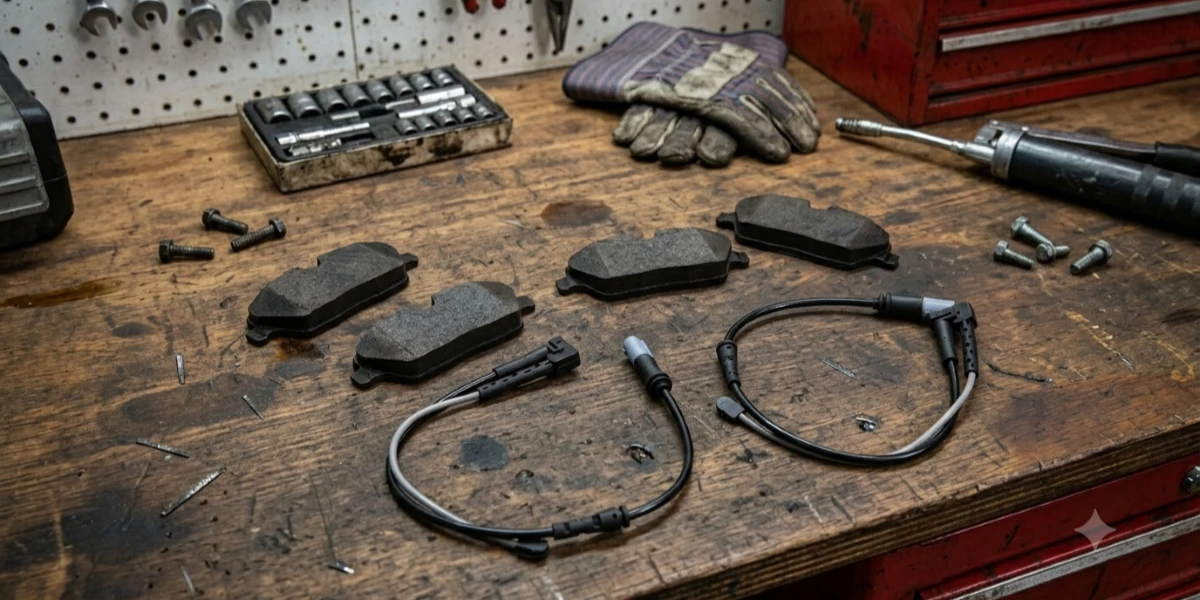


When enhancing your vehicle's safety and performance, it's the subtle details that can make a substantial difference. A case in point is the brake pad wear sensor, a critical component that is easily underestimated. While relatively small and inconspicuous, the brake pad wear sensor is indispensable for maintaining the reliability of your vehicle's stopping power.
How do brake pad wear sensors work
The brake pad wear sensor, or brake wear indicator, is a crucial safety feature that continuously monitors the thickness of a vehicle's brake pads. As the pads wear down from regular use, the brake pad wear sensor detects when they are nearing the end of their service life. Positioned within the brake pad assembly or mounted on the brake caliper, it employs methods like resistance, inductive, or hall effect sensing to track the condition of the pads' material.
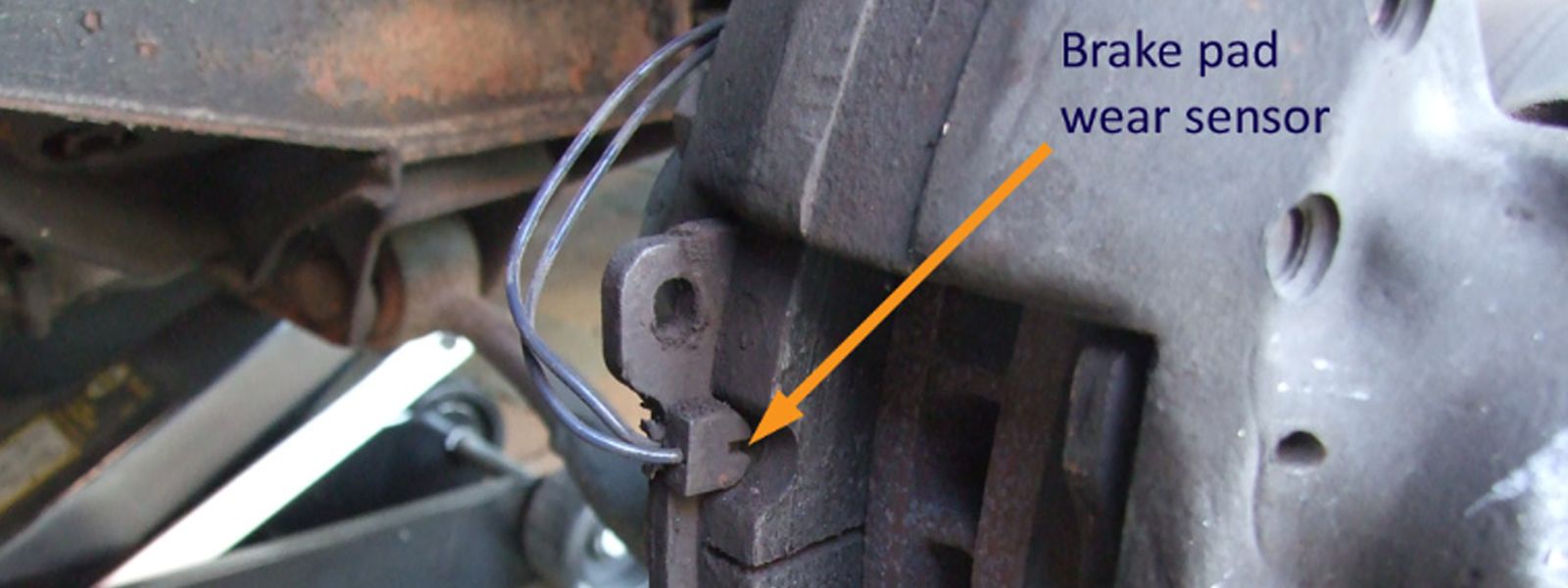
Upon reaching a threshold that signifies the minimum safe thickness, the brake pad wear sensor activates an alert mechanism within the vehicle's onboard computer. This triggers a warning light on the dashboard, signaling the driver to schedule a brake inspection and replacement service. This preemptive feature is engineered to last the entire lifespan of the vehicle, ensuring consistent and dependable monitoring of the braking system's health.
Different types of brake pad wear sensors
Brake pad wear sensors come in different types, each with its own advantages and disadvantages that make them suitable for different applications and vehicle designs. Below are some different types of brake pad wear sensors.
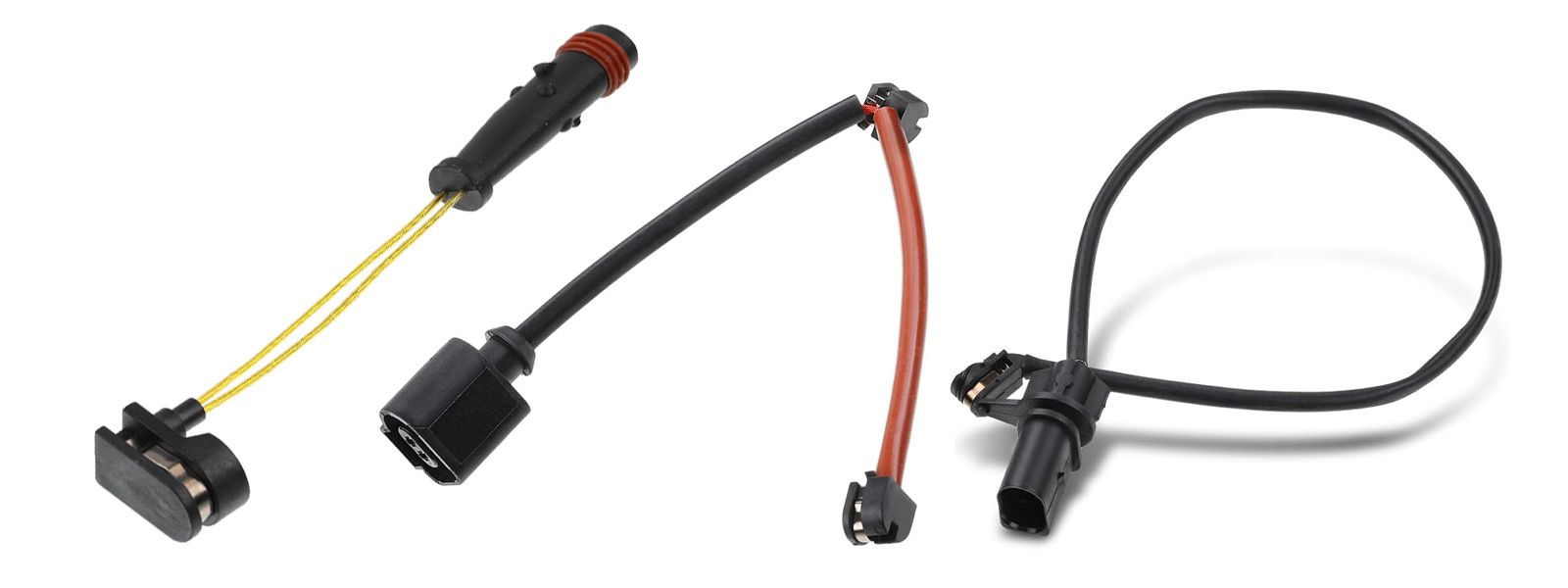
Resistive Sensors
- These sensors are embedded in the brake pad material and measure the changing resistance as the pad wears down.
- As the pad wears, the sensor's resistance changes, which is detected by the vehicle's computer system.
- This type of brake wear indicator provides a continuous monitoring of pad wear.
Switch-type Sensors
- These sensors use a physical switch that is activated when the brake pad wears down to a certain level.
- The switch triggers a warning light or message on the vehicle's dashboard to alert the driver that the pads need to be replaced.
- Switch-type sensors are simpler and less expensive than resistive sensors.
Acoustic Sensors
- These sensors use a small piezoelectric element that generates a specific sound frequency when the brake pad is worn down.
- As the pad wears, the frequency of the sound changes, which is detected by the vehicle's computer.
- Acoustic sensors can provide early warning of pad wear without the need for physical contact with the pad.
Do all cars have brake pad wear sensors
Not every car is fitted with specific brake wear indicators. The inclusion of such sensors is subject to the vehicle's brand, model, and age. High-end and luxury cars frequently incorporate brake wear monitoring systems, typically with resistive or acoustic sensors to alert drivers to pad replacement. Conversely, economy or older models might lack these sensors, requiring owners to manually inspect the pads or rely on the noise produced by worn pads as an indicator of their condition.
The choice to install brake pad wear sensors is driven by considerations of cost, system complexity, and the vehicle's target demographic. As automotive technology advances, it's anticipated that these safety features will become more common across a broader range of vehicles, including those in the more budget-friendly categories.
What benefits can brake wear indicators bring
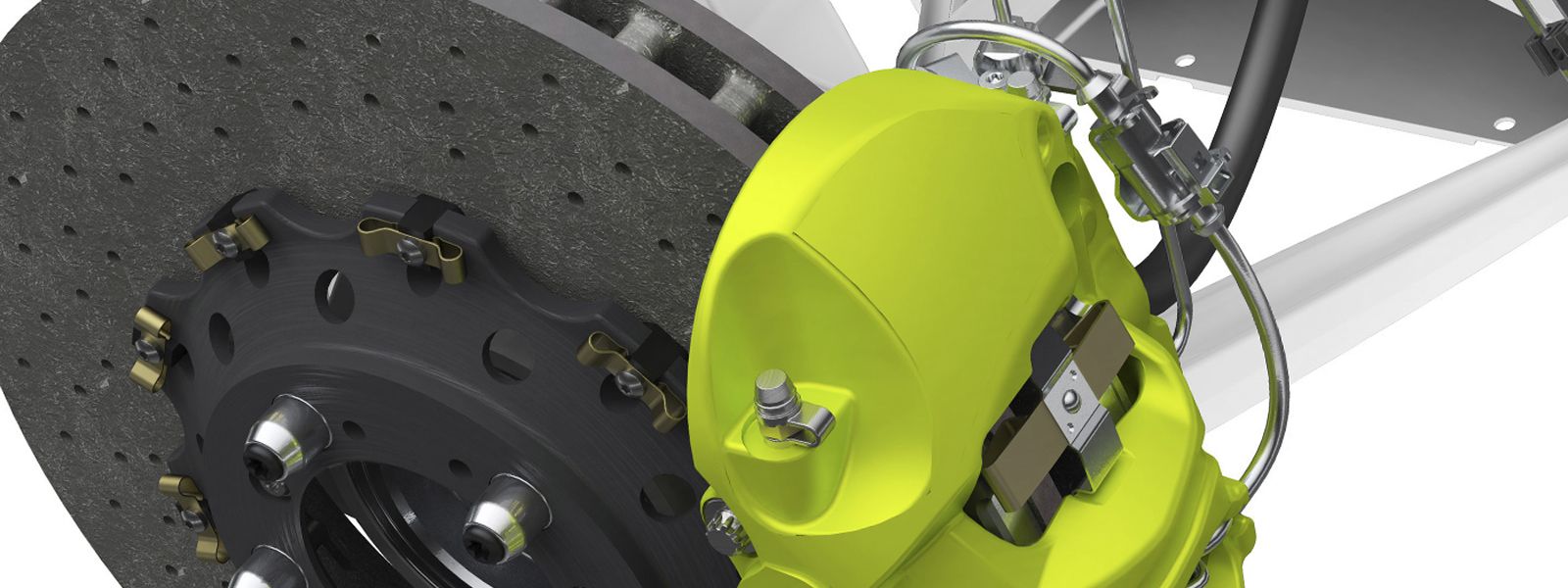
Proper brake pad wear sensor is crucial for the security, dependability, and durability of a vehicle's braking system. Taking the time to accurately choose and mount this sensor can prevent severe brake malfunctions, ensuring the safety of all road users.
Safety
- Proper brake pad wear monitoring is crucial for maintaining safe braking performance.
- The wear indicator alerts the driver when the brake pads need to be replaced, preventing potentially dangerous situations caused by worn-out pads.
Maintenance
- The wear indicator provides an objective and reliable way to assess the condition of the brake pads.
- This helps vehicle owners schedule timely brake pad replacements, optimizing the maintenance of the braking system.
Cost savings
- Replacing brake pads based on the wear indicator's warning can prevent further damage to the brake pad or brake caliper, reducing the overall repair costs.
- Proactive maintenance based on the wear indicator can extend the lifespan of the brake components, saving money in the long run.
Overall, the appropriate brake pad wear sensor is essential for maintaining the braking system's performance, promoting safety, and optimizing the overall maintenance of a vehicle. Ignoring or misusing this sensor can lead to unsafe driving conditions and increased repair costs.
When should you replace brake pad wear sensors
The brake pad wear sensor plays a pivotal role in a vehicle's braking system, and its proper functioning is paramount for safety. Being vigilant about sensor malfunctions can avert accidents and expensive repairs.
A telltale sign of a malfunctioning brake wear indicator is the activation of the brake warning light on the dashboard, which is a critical signal for drivers to heed. Failure in the sensor's operation might also result in the absence of a warning signal when brake pads are excessively worn. In such cases, the driver might only become cognizant of the problem through abnormal noises from the brakes, indicating the need for immediate attention. It is imperative to promptly address these warning signs to maintain the integrity and safety of the braking system.
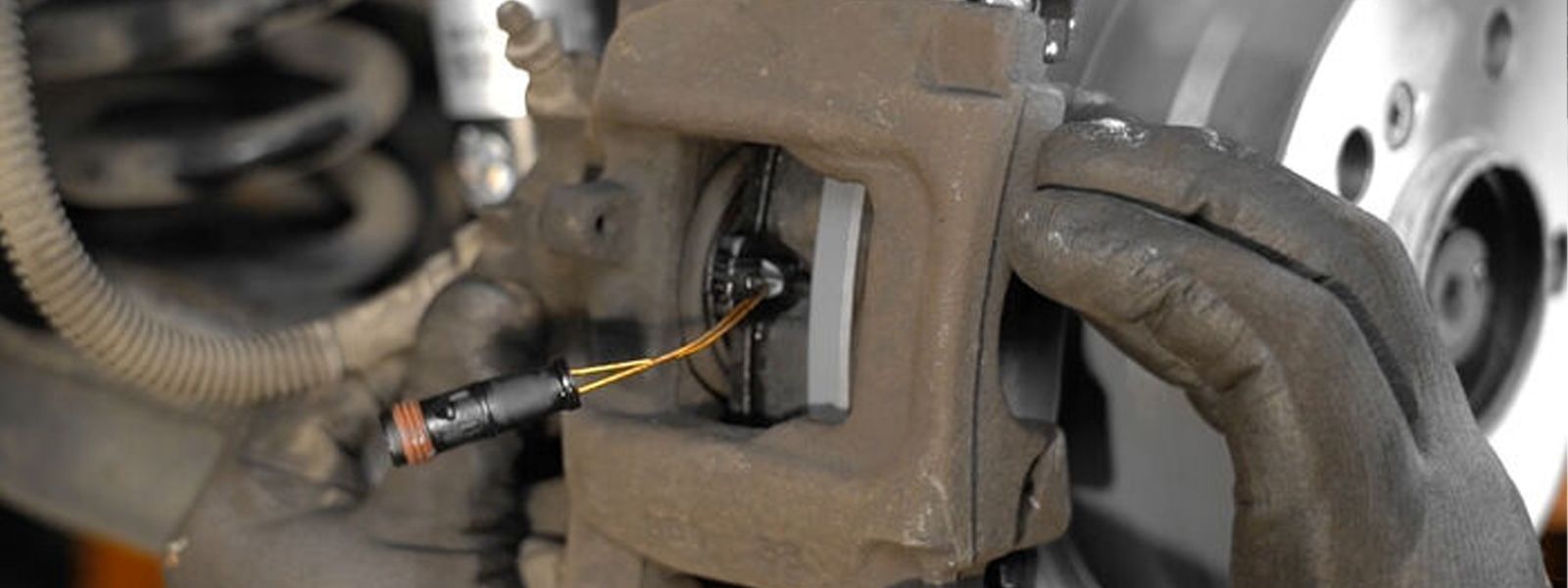
A-Premium brake pad wear sensors stand out for their robustness against tough conditions, precision in wear detection, and dependability in delivering timely notifications. They are also engineered for straightforward installation. Our brake sensors are impervious to environmental influences, harmonize effortlessly with automotive systems, and are backed by a warranty for peace of mind. Moreover, our sensors are versatile, fitting a broad spectrum of vehicle models, including those from premium and high-performance brands including BMW, Audi, and Porsche. To find the perfect match for your vehicle, simply enter your car's year, make and model, and other details into our Vehicle Selector. You will then be guided to a selection of parts tailored specifically for your drive.


