A Complete Overview of Intercoolers

Intercoolers play a critical role in the performance and efficiency of turbocharged and supercharged engines. Their importance cannot be overstated, as they provide several key benefits that enhance the overall operation of forced induction systems.


An auto intercooler is a critical part of many high-performance engines, yet its importance is often overlooked. This simple heat exchanger plays a vital role in boosting engine efficiency and power output. Without an intercooler, this heated, less dense air would result in a significant loss of potential power. Understanding the function and benefits of car intercoolers is key for anyone looking to extract maximum performance from their engine. In this post, we'll dive deeper into the workings of intercoolers and explore how they can be optimized to enhance your vehicle's capabilities.
How does an intercooler work
Car intercoolers play a pivotal role in the performance enhancement of engines equipped with turbochargers or superchargers. They are specialized heat exchangers that cool down the heated air resulting from the compression process. As air is compressed, its temperature surges due to the energy exerted on the air molecules. The intercooler efficiently reduces this temperature by utilizing the flow of cooler ambient air over its intricate array of cooling fins, which are optimally designed to maximize heat dissipation.
The cooled, more oxygen-rich air is then delivered to the engine, promoting a more potent combustion process. This dense air charge translates to increased engine power, as it permits a greater amount of fuel to be combusted within the engine's cylinders. The auto intercooler's effectiveness is contingent upon its core dimensions, the efficiency of its fin design, and the robustness of the airflow over the fins. Additionally, the substantial temperature gradient between the compressed intake air and the surrounding air is a determining factor in the intercooler's ability to maintain engine efficiency and prevent thermal stress that could lead to performance-limiting conditions. By fine-tuning these variables, the intercooler ensures that the engine can deliver its best performance while minimizing the risk of heat-induced engine damage.
Types of intercoolers and selection tips
Auto intercoolers come in two main types: air-to-air and air-to-water. Air-to-air intercoolers are the more common choice due to their simplicity and ease of installation. They use the vehicle's forward motion to draw in cooling air through internal fins or coils, lowering the intake air temperature. This design avoids the need for liquid coolants and reduces potential issues like leaks and maintenance.
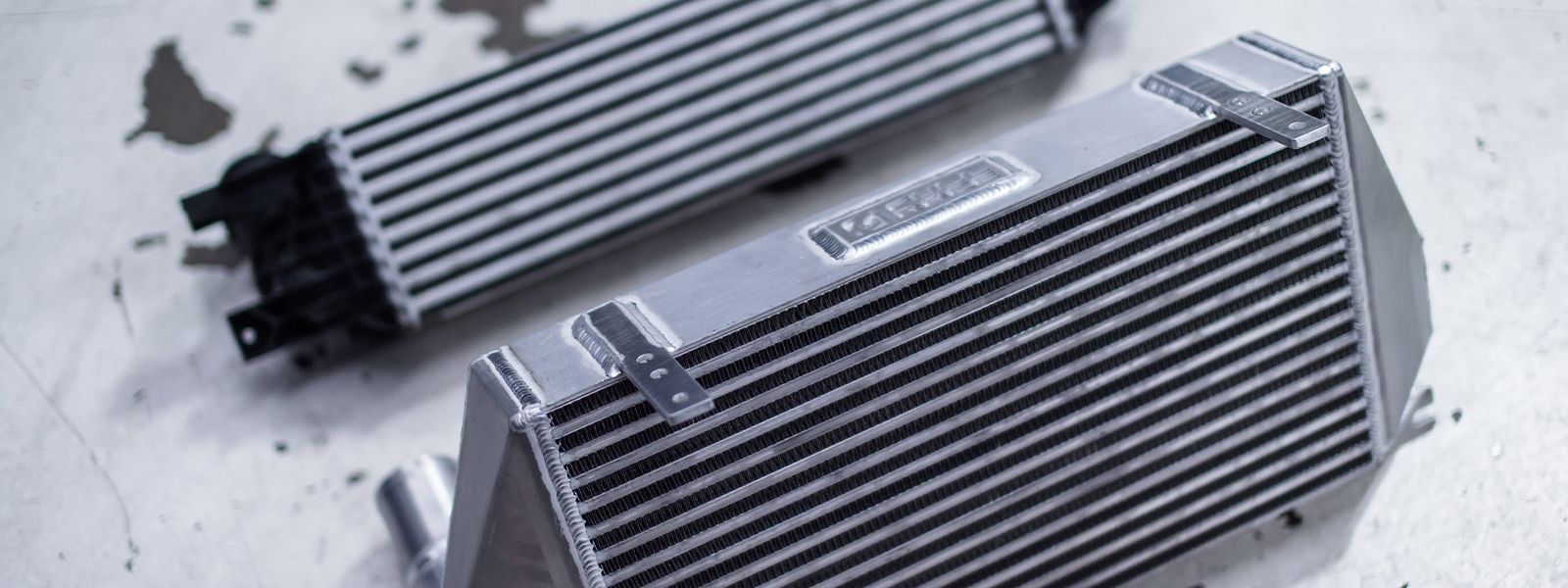
While air-to-water intercoolers’ increased complexity and cost make them less appealing for many applications. For drivers seeking a straightforward and cost-effective way to boost engine power, air-to-air intercoolers provide an efficient and practical solution. Except in the case mentioned above, by carefully evaluating the following factors, you can select an intercooler that best suits your vehicle's requirements and your driving preferences.
- Core Size: A larger core size provides more surface area for heat exchange, which can improve cooling efficiency.
- Fin Density and Material: Finer fins provide more surface area but can restrict airflow. Consider the material, as some are more durable or heat-resistant.
- Airflow and Pressure Drop: Ensure the intercooler can handle the airflow rate required by your engine without causing excessive pressure drop.
- Mounting Location: Front-mount intercoolers typically offer better cooling but may be more challenging to fit, while top-mount intercoolers are easier to install but may suffer from heat soak.
Intercooler VS Radiator
Intercoolers and radiators, while both heat exchangers serve distinct purposes in a vehicle's cooling system. Car intercoolers specifically target the cooling of compressed air from a turbocharger, reducing its temperature to increase density and oxygen content, which enhances combustion efficiency and engine performance. They are a critical component in forced induction systems, ensuring that the air entering the engine is as cool and dense as possible. Radiators, in contrast, are designed to cool the engine's coolant fluid, maintaining the engine's operating temperature and preventing overheating. They are a staple in both automotive and industrial applications, not just in turbocharged systems.

While your intercooler and radiator may look similar and both use the flow of air to dissipate heat, their design, positioning, and fluid flow mechanisms can differ based on their specific roles. Intercoolers are typically located downstream of the turbocharger and before the engine's intake system, whereas radiators are part of the engine's primary cooling loop. Each plays a vital role in thermal management, but they are not interchangeable due to their unique design requirements and operational focus.
Do turbos need intercoolers
A vehicle's turbocharger boosts engine performance by forcing more air into the combustion chamber, allowing for more fuel and increased power. However, air compression raises its temperature, reducing density and oxygen levels, which can hinder efficiency. Auto intercoolers are vital in such engines, acting as heat exchangers to cool the compressed air, thereby increasing its density and oxygen content. This enhancement is crucial for high-performance engines with high boost levels, preventing issues like detonation and inefficiency.
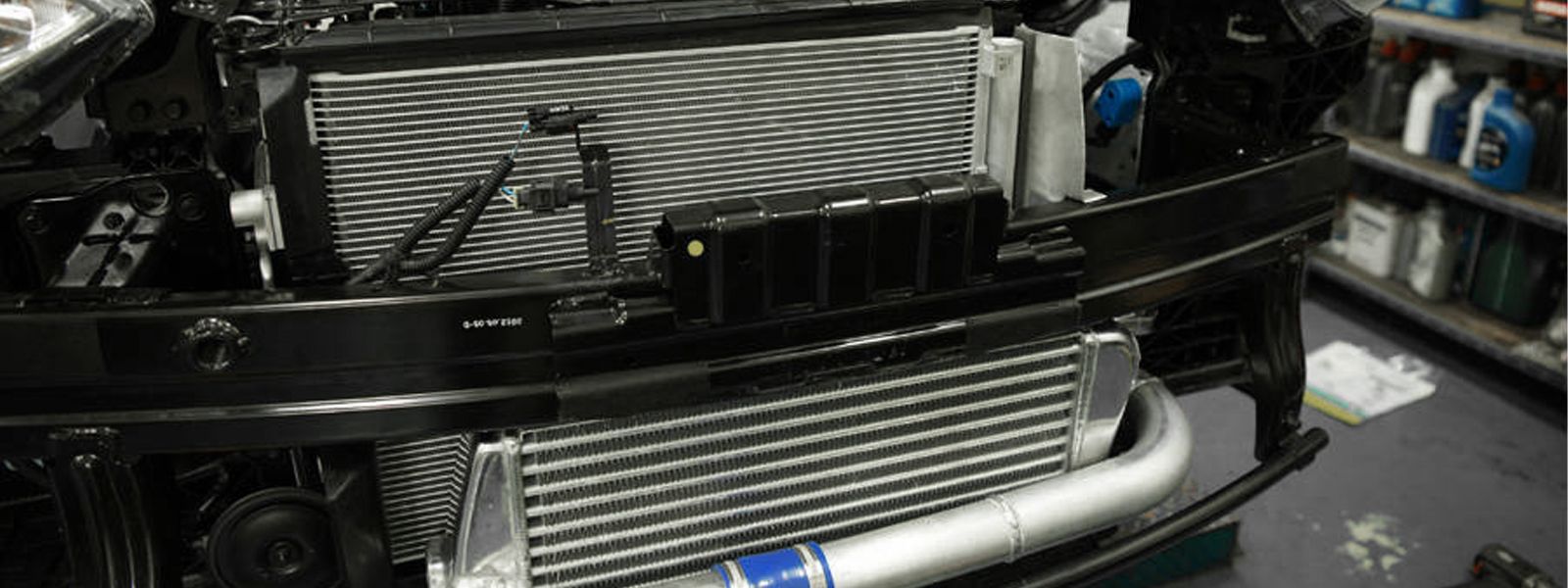
Overall, while some low-boost turbo engines might forgo car intercoolers due to cost and complexity, most high-performance engines rely on them for peak performance, fuel efficiency, and lower emissions.
Optimized engine performance with A-Premium
A-Premium intercoolers are characterized by their exceptional heat dissipation capabilities, ensuring optimal engine performance by reducing the temperature of compressed air. They are designed with robust construction that can withstand high pressure, thus providing long-lasting reliability. Furthermore, the efficient airflow dynamics of a high-grade intercooler minimize pressure drops across the system, maintaining the volumetric efficiency of the engine. Additionally, these intercoolers often feature a compact and strategic design that maximizes cooling surface area, making them ideal for performance.
What’s more, all our parts are on hand and ready to dispatch within 24 hours. It takes just a few clicks to find the right aftermarket intercooler on our website's integrated vehicle selector. Shop for our intercoolers today and regain the peace of mind you deserve while driving!


