A brief history of the Honda CR-V's development

Do you still remember when the SUV model first appeared? Why did this type of model quickly become a mainstream product in the market? Now let's talk about a very representative SUV in people's lives - Dongfeng Honda CR-V.
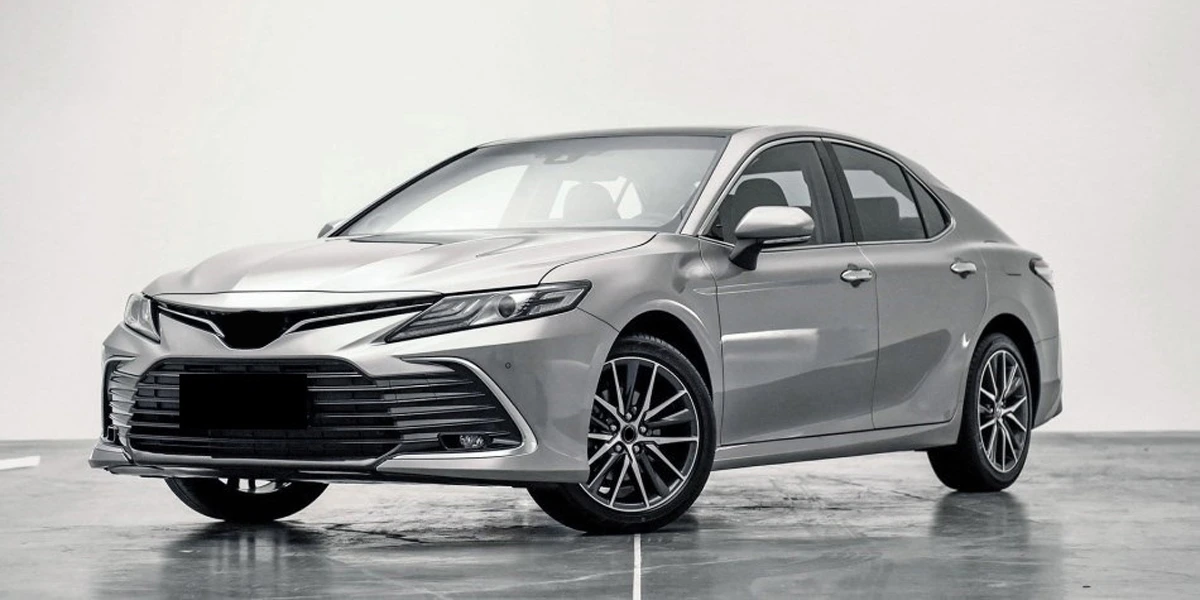
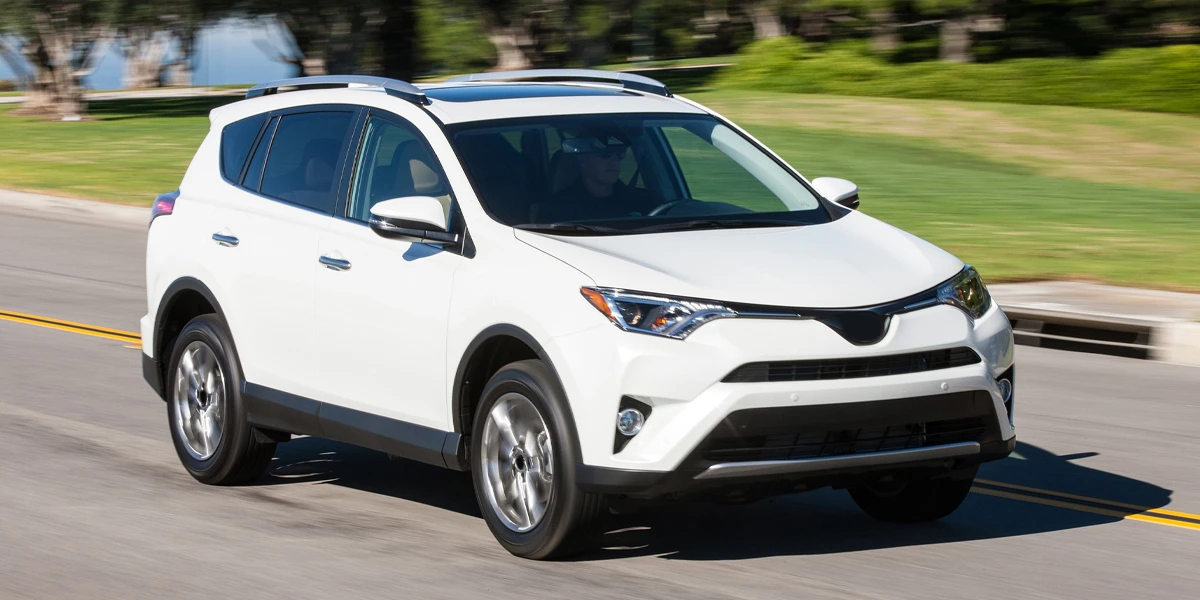
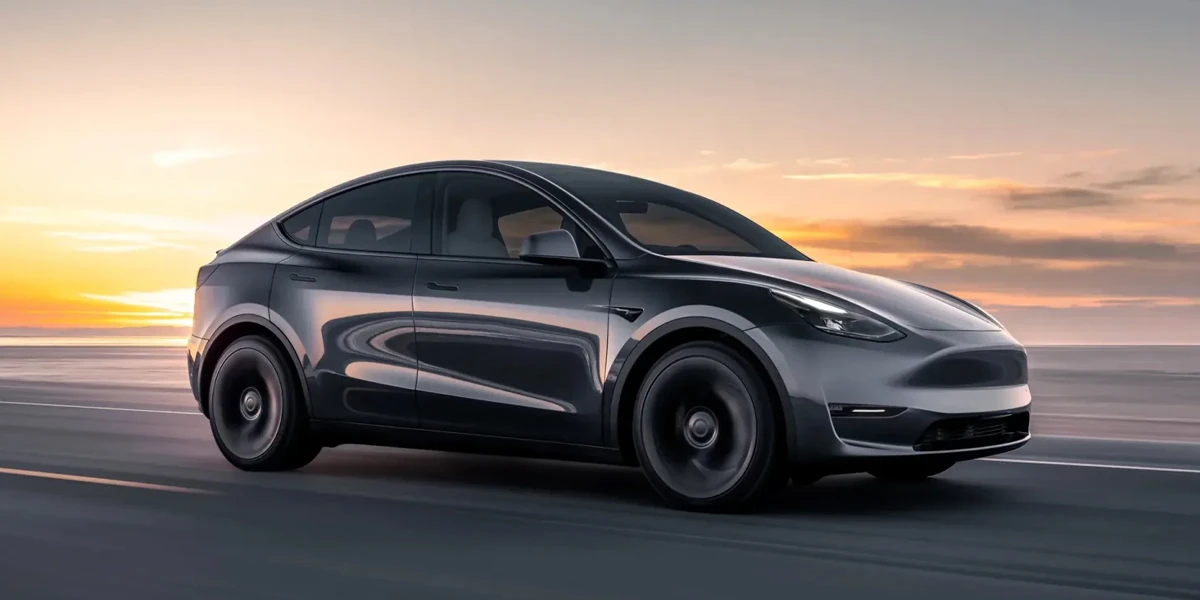
The first generation of CR-V (1995-2001) The birth of Honda's independent SUV
The vehicle name CR-V is the abbreviation of Comfortable Runabout Vehicle in English, which can be understood as "a comfortable vehicle that yearns for freedom." The first generation of CR-V is equipped with a 2.0L inline four-cylinder naturally aspirated engine, a 4-speed automatic transmission a 5-speed manual transmission, and a front-wheel drive four-wheel drive system. The relatively low-priced CR-V is suitable for urban car scenes and is enough to cope with some off-road and snowy roads. Soon, the comprehensive performance of the first Honda CR-V was recognized by the Japanese market.

One year after the CR-V was launched in Japan, Honda quickly brought it to the US market for sale. It was announced at the Chicago Auto Show in 1996 and officially launched in North America in February 1997. The North American version of the CR-V has almost no changes except for some minor changes in appearance. The power is Honda's B20 series 2.0L engine, which is the continuation of Honda's Civic and Integra sports vehicle engines. However, the 2.0L series engine has not been upgraded for high performance and is completely suitable for family cars with CR-V as the main focus.
The second generation CR-V (2001-2006) found its way forward
After 2000, the concept of SUV began to slowly sprout in the global automobile market, and consumers increasingly liked this crossover-style model as a family car. In September 2001, Honda released the second generation CR-V. According to different vehicle usage scenarios, the second-generation CR-V is equipped with Honda's larger displacement 2.4L engine codenamed K24A in the North American market, and has i-VTEC technology. The gearbox is still matched with 4-speed automatic and 5-speed manual (later models are changed to 5-speed automatic).

In addition, Honda also specially matched the 2.2L diesel turbocharged engine for the European market and matched it with a 5-speed manual gearbox according to the local market usage. The imperfect four-wheel drive system of the first-generation model has been optimized, and the vehicle performance has been significantly improved. In 2004, Honda abandoned the 2.0L engine in the Japanese market and switched to the same 2.4L as in North America.
In terms of appearance, the second-generation CR-V is obviously much more mature, and the modified shape appears larger in visual effect. The design of the two-color bottom edge of the body only appears in small quantities in the US and Australian markets. The two-stage opening trunk has been changed to an overall side door, but the function of opening the rear windshield separately is retained. There are no major changes in the interior, and the function of folding the rear seats forward is still a highlight.
The third-generation CR-V (2006-2011) further determined the model positioning
Soon, in September 2006, the third-generation CR-V was first launched in the United States, followed by Japan in October, Europe in January 2007, and Taiwan in February. The third-generation CR-V has been 11 years away from the first generation. The automobile market has undergone major changes. Consumers are no longer unfamiliar with SUV models. Everyone hopes to drive a car with stronger comprehensive strength in the city. So Honda found the right positioning and made major changes to the CR-V to meet the needs of consumers. In 2007, the third-generation CR-V became one of the top ten best-selling models of the year in the United States, surpassing the Ford Explorer, which had a 15-year sales record, and became the best-selling SUV model in the United States.

The rounded body design reduces the drag coefficient of the third-generation CR-V, and the interior design and configuration are also more advanced. The blue self-luminous instrument panel is equipped with an LCD information display screen, 8-way electric adjustment seats, leather door panels and seats, and a multi-function steering wheel to improve the overall grade of the CR-V. The new car still retains the unique multi-stage folding rear seats and adds a 4:2:4 folding function.
The fourth generation (2011-2016) welcomes the new era of automobiles
In September 2011, Honda launched the fourth-generation CR-V concept model. The mass-produced car was announced at the Los Angeles Auto Show in October and officially sold in the US market in December, followed by the Japanese market. The appearance of the fourth-generation model has not deviated from the general design concept of the previous generation CR-V, but the front part has become more modern, the rear part is more "wide", and the modern sense is very strong. At the same time, it is also much more fashionable.
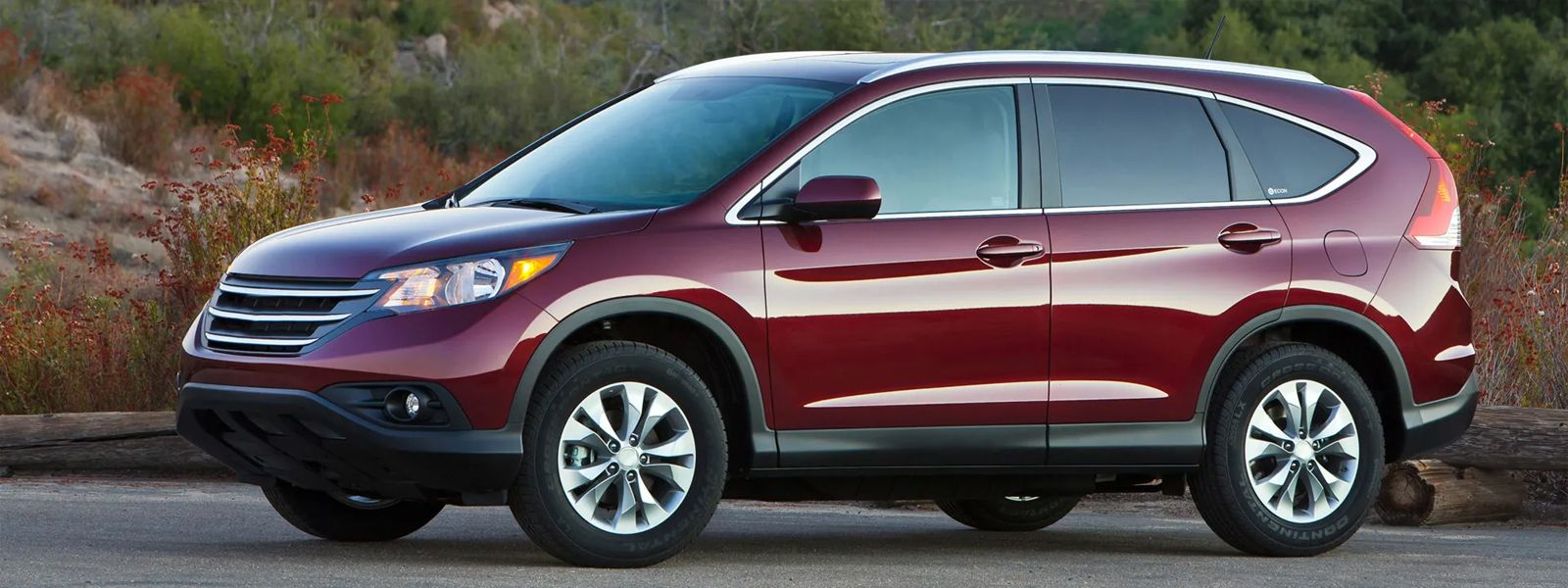
The fourth-generation CR-V still focuses on the 2.0L and 2.4L naturally aspirated engines in the power part. The European market has added a 1.6L diesel turbo engine on the basis of the 2.2L diesel engine. The gearbox continues the 6-speed manual and 5-speed automatic of the previous generation. Use a new real-time four-wheel drive system and add electronic auxiliary safety equipment, including brake force distribution (EBD), hill start assist (HSA), etc. The overseas version after the 2014 facelift also added a direct injection technology engine and a CVT gearbox, and improved the performance in the collision test of the American Highway Safety Association (IIHS).
The fourth-generation CR-V has made great progress in appearance and configuration, and the interior is even more up-to-date. The new center console adopts a layered layout, which is very different from the flat center console design of the first three generations. Coupled with the newly designed instrument panel, it reflects that the fourth-generation CR-V has entered a new era.
The fifth generation (2016 to 2022) adds new energy concepts
Five years have passed, and Honda CR-V has ushered in its fifth generation. At the 2016 Detroit Auto Show, the new generation of CR-V based on the tenth-generation Civic was once again launched in the United States. The changes in the appearance of the vehicle still follow the modern design route. The point is that in order to meet the changes in the global automobile market, this generation of CR-V has changed its power part. First, the 1.5L turbocharged engine is used as the main power, and secondly, the 2.0L plus dual-motor hybrid model is added. It can be said that another era of automobiles has arrived, and the old engines that used to be stable in technology and durable are no longer in line with the development direction of contemporary automobiles.
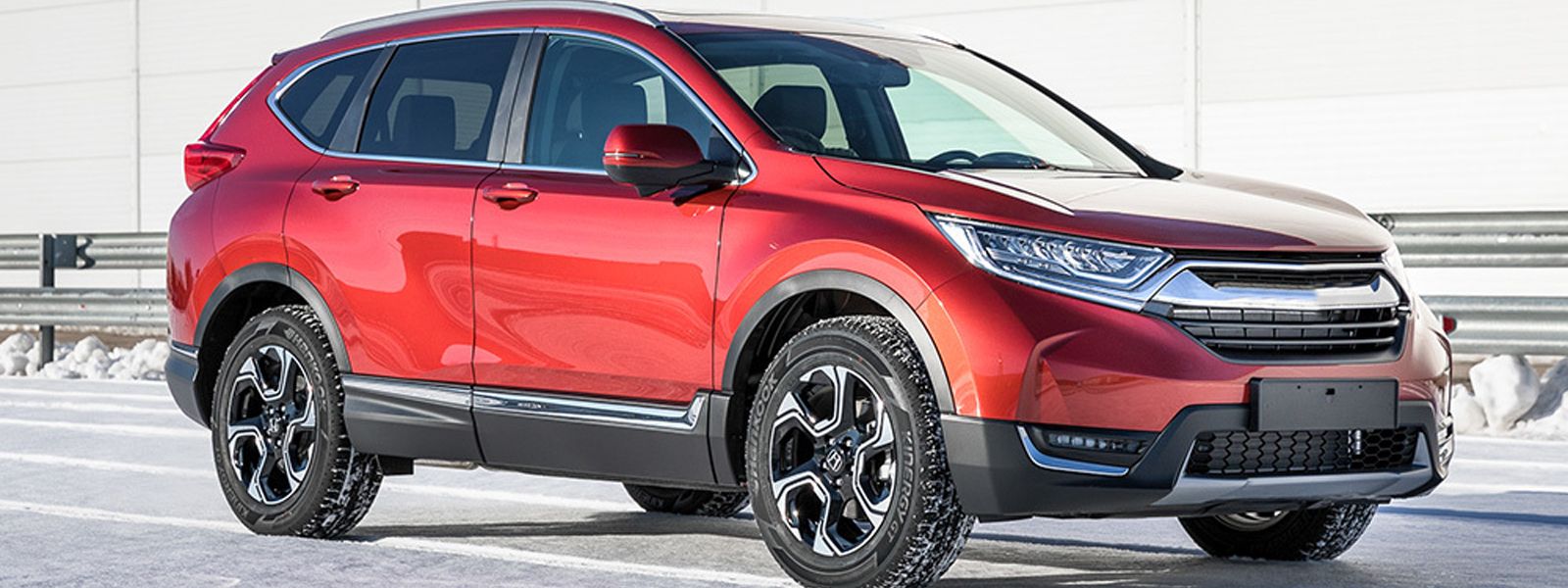
Of course, successful companies have a keen sense of smell in the industry. Updating the powertrain is by no means a bad thing, because only in line with the current market environment can it develop smoothly. Different periods have different development directions. As a technology company, Honda will definitely tighten this nerve. When the fifth-generation CR-V was just launched in the United States, it was equipped with a 2.4L naturally aspirated engine with Earth Dream Technology. This is also to adapt to the car habits of local consumers. However, later, the 1.5T small-displacement turbo engine also began to enter the North American market.
The sixth generation (2022) family concept development
Inadvertently, the arrival of the sixth-generation CR-V has arrived. It seems that only the first-generation model was released in Japan to test the waters, and each subsequent generation seems to be launched in the United States. In September 2022, the sixth-generation Honda CR-V was launched in the United States, with a total of 7 models.
The new CR-V has completed the family design style, which integrates youthfulness, fashion, and stability. It can be said that it changes completely in accordance with the changes of the times. The front is sharp, and the overall atmosphere, and some sporty style, are the characteristics of the new sixth-generation CR-V. A careful observation of the body proportions seems to show that each generation of models has not changed much, and the word "stable" is the core.
In terms of the power of the new car, the 1.5T direct injection engine has a maximum power of 142 kilowatts and 193 horsepower, a peak torque of 243 Nm, and improved low-speed torque and driving quietness. The 2.0L hybrid engine uses Honda's i-MMD system, which improves low fuel consumption and sensitive acceleration response. The so-called golden partner is very consistent with the positioning of CR-V, and it is extremely competitive among the same-level products in the world of gasoline cars.
Summary: Looking back on the two-year development of the Honda CR-V, it can be clearly felt that this is a backbone model that each generation is striving to develop and adapt to different times! It is very interesting that compared with other competitors, CR-V is at the middle level in all aspects, but in actual market feedback, CR-V always surpasses its competitors in some outstanding aspects.


