6 Signs to Tell Your Car AC Compressor Is Going Bad

If you're having problems with your car's air conditioning system, the compressor may be the culprit. By identifying these signs with the help of A-Premium, you can resolve the problem promptly and restore peak performance to your air conditioning system.


Suggested A-Premium Parts


Have you ever experienced driving down a hot and humid road, only to find out that your car's AC system is not cooling your car? It's frustrating and uncomfortable, right? This is why a car's air conditioning system is an essential component in providing a comfortable driving experience, especially during the scorching summer months. However, like any other part of your car, the AC compressor can fail over time, and this can lead to a host of issues. In this blog post, we'll be discussing the six signs to tell if your car's AC compressor is going bad. Whether you're a car enthusiast or just want to make sure your car stays in top condition, keep reading to find out how to spot a failing AC compressor.

Poor cooling performance
Poor cooling performance can be frustrating, especially during hot summer days. It can indicate a problem with your car's AC system, and the compressor plays a crucial role in this. The compressor is responsible for compressing the refrigerant and circulating it through the system, which then cools the air. If the compressor is not functioning correctly, the cooling performance will be affected.
There are various possible causes of poor cooling performance. One of the most common reasons is a bad compressor, which can be caused by wear and tear, damage, or low oil levels. Low refrigerant levels can also lead to poor cooling performance, as the refrigerant is what absorbs the heat and cools the air. Another possible cause is clogged filters, which can obstruct the airflow, and a malfunctioning fan, which can reduce the amount of air passing through the system.
To diagnose the issue, it's essential to inspect the compressor for any visible damage, such as leaks or cracks. You can also measure the refrigerant levels and inspect air filters and fans. Checking for any leaks in the system is also crucial, as leaks can lead to low refrigerant levels and poor cooling performance. By identifying the cause of poor cooling performance, you can take the necessary steps to get your car's AC system working efficiently again.
Regular maintenance is also crucial in preventing poor cooling performance. Make sure to have your car's AC system serviced regularly to ensure that all components are working correctly. This includes checking the compressor for oil and refrigerant levels, replacing filters, and inspecting the system for any signs of damage or leaks.
Unusual noises
Unusual noises are another telltale sign of a bad car AC compressor. When the compressor is failing, you may hear strange sounds that are not typical of normal AC operation. Some examples of noises to listen for include grinding, rattling, or hissing sounds. These noises can indicate a range of issues, from a failing compressor to a blocked A/C hose. It's important to pay attention to these sounds and take action if you hear them.
Identifying the source of the noise can be challenging, but it's essential to do so if you want to resolve the issue. To identify the source of the noise, you may need to inspect the compressor and other components of the AC system. This may involve removing the compressor and examining it for damage or wear and tear. Alternatively, you may need to check the refrigerant lines and other parts of the system to see if there are any blockages or leaks.
Ultimately, addressing unusual noises in your car's AC system requires prompt action and professional expertise. If you hear any strange sounds coming from your AC, it's important to have the system inspected by a qualified mechanic as soon as possible. By taking swift action, you can prevent further damage to your car's AC system and restore the comfort of a cool, quiet ride.
Leaking refrigerant
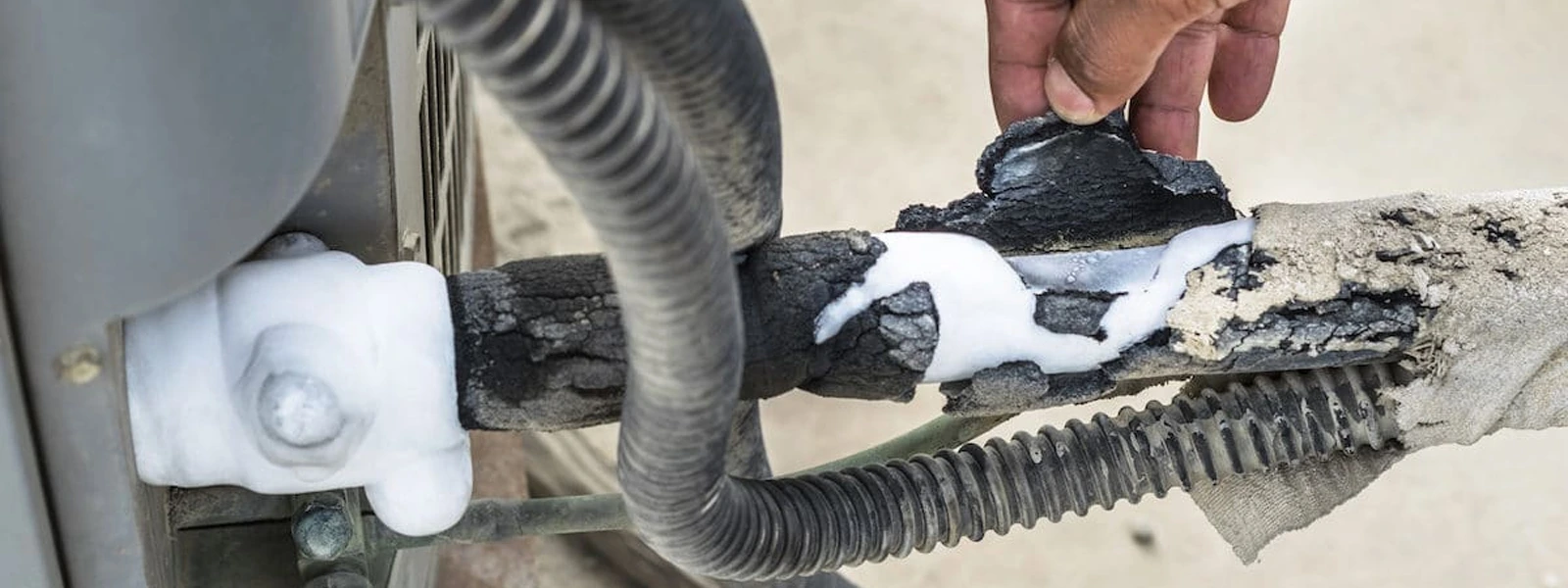
Refrigerant leaks are a common issue in car AC systems that can cause a range of problems, from poor cooling performance to system failure. The compressor plays a crucial role in the refrigerant system, compressing and circulating the refrigerant to keep the AC system functioning properly. When the compressor goes bad, it can lead to refrigerant leaks due to system damage or pressure buildup. If you notice reduced cooling performance, visible leaks or stains, or unusual sounds or smells, it may indicate a refrigerant leak in your car's AC system. Promptly addressing the issue by consulting a qualified mechanic can help restore your car's AC efficiency and ensure a comfortable ride for you and your passengers.
A bad compressor can cause refrigerant leaks in several ways, including system damage, worn parts, and clogging. If the compressor is not functioning properly, it can create a build-up of pressure that can lead to leaks in the system. The compressor may also become clogged with debris or dirt, leading to refrigerant leaks. By keeping an eye out for signs of refrigerant leaks, you can address the issue before it causes further damage to your car's AC system. Consult with a qualified mechanic to identify the source of the leak and restore your car's AC efficiency, ensuring a comfortable and cool ride for you and your passengers.
Unpleasant odors
Unpleasant odors coming from your car's AC system can be a major inconvenience, making for an uncomfortable ride. The compressor plays a critical role in managing the humidity levels in the AC system by removing excess moisture from the air. When the compressor goes bad, it can cause humidity levels to rise, leading to mold or bacteria growth that can produce unpleasant odors.
A bad compressor can cause a range of unpleasant odors, including a musty or moldy smell, or the smell of burning plastic. These odors can be particularly strong when the AC system is turned on or after the car has been sitting for a while. To prevent these odors from becoming more severe or lingering in your car, it's important to watch out for signs of a bad compressor, such as reduced cooling performance, unusual sounds, or visible leaks.
If you're experiencing unpleasant odors coming from your car's AC system, don't delay asking a qualified mechanic for help. With prompt attention, you can restore your car's AC efficiency and eliminate unpleasant odors, ensuring a comfortable and refreshing ride for you and your passengers.
Difficulty starting
Difficulty starting your car's AC system is a frustrating problem that can leave you feeling hot and uncomfortable on a hot day. The compressor plays a crucial role in starting the AC system by pressurizing the refrigerant, which is necessary for the system to function properly. If the compressor is bad or malfunctioning, it can cause starting issues that prevent the AC system from turning on or functioning as it should.
A bad compressor can cause starting issues in several ways, including worn or damaged parts, leaks, or clogs. If the compressor is not functioning properly, it may not be able to create enough pressure to start the AC system. In some cases, a bad compressor can cause the AC system to turn on and off rapidly or not at all. To avoid these problems, it's important to watch out for signs of a bad compressor, such as unusual sounds, reduced cooling performance, or visible leaks.
If you're experiencing difficulty starting your car's AC system, you are suggested to seek professional assistance from an expert to inspect your car's AC system and identify the issue.
Increased fuel consumption
Increased fuel consumption is a common issue that can be caused by a bad compressor in your car's AC system. A bad compressor can cause the AC system to work harder than it should, leading to an increased load on the engine and, subsequently, higher fuel consumption. This means that you may notice a drop in your car's fuel efficiency, resulting in more frequent trips to the gas station.
There are several possible reasons why a bad compressor can lead to increased fuel consumption, including clogged or dirty air filters, worn or damaged compressor parts, or leaks in the refrigerant system. If you're experiencing increased fuel consumption, it's important to watch out for signs of a bad compressor, such as difficulty starting the AC system, reduced cooling performance, or unusual noises.
FAQs about car AC compressor
What is a car AC compressor, and what does it do?
A car AC compressor is a critical component of the vehicle's air conditioning system. It plays a vital role in pressurizing and circulating the refrigerant throughout the system, allowing it to absorb and release heat to cool the interior of the car. Essentially, the compressor works by compressing low-pressure refrigerant vapor and converting it into high-pressure vapor, which then moves through the system's coils, releasing heat and cooling the interior of the car.
Without a properly functioning AC compressor, your car's air conditioning system won't be able to cool the interior effectively. Instead, you'll be left with warm, uncomfortable air blowing through the vents, which can be especially frustrating during hot summer months. In some cases, a bad compressor can even lead to unpleasant odors, increased fuel consumption, and difficulty starting the car's AC system.
What can cause a bad car AC compressor?
A bad car AC compressor can be caused by a number of factors. One of the most common causes is simply wear and tear. Over time, the compressor can become worn down or damaged from repeated use, leading to a decline in performance or complete failure. Other factors that can contribute to a bad compressor include leaks in the refrigerant system, electrical issues, or improper maintenance. It's important to address any issues with your car's AC system promptly to avoid further damage and potential safety risks while driving.

Can I drive with a bad car AC compressor?
While it's technically possible to drive with a bad car AC compressor, it's not recommended. Without a properly functioning compressor, your car's air conditioning system won't be able to cool the interior effectively, which can be especially dangerous during hot summer months. Additionally, a bad compressor can lead to other issues with the AC system, such as leaks, which can cause further damage. It's important to have the issue addressed as soon as possible to avoid further damage to the AC system and potential safety risks while driving.
How can I prevent problems with my car's AC compressor?
Preventing problems with your car's AC compressor requires regular maintenance. This includes having the system serviced at least once a year, checking refrigerant levels, replacing filters, and cleaning the system to ensure optimal performance. It's also important to address any issues promptly, such as poor cooling performance or unusual noises, and seek professional help when necessary. Proper maintenance and prompt attention to any issues can help prolong the lifespan of your car's AC compressor and prevent costly repairs down the road.
Can I repair a bad car AC compressor, or do I need to replace it?
Whether a bad car AC compressor can be repaired or needs to be replaced depends on the extent of the damage and the specific make and model of the compressor. In some cases, it may be possible to repair the compressor and restore optimal performance. However, in many cases, replacement is the best option to ensure optimal performance and avoid further issues down the road. It's important to consult with a professional mechanic to determine the best course of action for your specific situation.
How often should I have my car's AC system serviced?
It's recommended to have your car's AC system serviced at least once a year to ensure optimal performance and prevent issues with the compressor. This includes checking refrigerant levels, replacing filters, and cleaning the system. Regular maintenance and prompt attention to any issues can help prevent problems with your car's AC compressor and prolong the lifespan of the system overall.
The AC compressor industry market trend
The automotive air conditioning compressor market has been witnessing a steady growth rate over the past few years, mainly due to the increasing demand for air conditioning systems in automobiles, especially in developing regions. The global automotive air conditioning compressor market was valued at around $14.3 billion in 2020 and is expected to reach $20.4 billion by 2027, growing at a CAGR of approximately 5.1% during the forecast period. Market growth can be attributed to the rising demand for passenger and commercial vehicles, which has led to an increase in the production of automotive air conditioning compressors worldwide.
In recent years, the automotive industry has undergone a major shift towards more energy-efficient and eco-friendly vehicles, which has led to the development of advanced air conditioning systems. The use of electric compressors and the integration of IoT and AI technologies have also become prevalent in the automotive air conditioning compressor market. The demand for more compact, lightweight, and cost-effective air conditioning compressors has led to the development of new and innovative products in the market.
Moreover, the increasing awareness among consumers regarding the importance of regular maintenance of their vehicle's air conditioning system has resulted in a surge in demand for replacement compressors. This trend is expected to further boost the growth of the automotive air conditioning compressor market in the coming years. Overall, the global automotive air conditioning compressor market is expected to witness significant growth in the years ahead, driven by the rising demand for energy-efficient and eco-friendly air conditioning systems in vehicles.

In conclusion
In conclusion, being aware of the six signs that indicate a bad car AC compressor can help you avoid costly repairs and keep your car's AC system running smoothly. From poor cooling performance and unusual noises to leaking refrigerant and difficulty starting, these signs can help you identify a potential problem with your car's compressor and take prompt action.
Regular maintenance of your car's AC system is also crucial to prevent potential problems with the compressor and other components. Simple tasks like checking the refrigerant levels, replacing filters, and cleaning the system can help ensure optimal performance and prevent major breakdowns.
In short, keeping a close eye on your car's AC system and addressing any issues promptly can help ensure that you enjoy optimal performance, comfort, and safety on the road. Don't hesitate to seek professional help when necessary, and make AC system maintenance a top priority to keep your car running smoothly for years to come.


